Brewing beer with less than 0.5% alcohol involves stopping fermentation early or removing ethanol afterward, and in both cases more residual fermentable sugar remains in the liquid than in a conventional beer.
From regulatory, technical elaboration, chemical composition, or organoleptic profile, understanding this distinction is fundamental to properly valuing this beverage that has gained relevance in recent years.
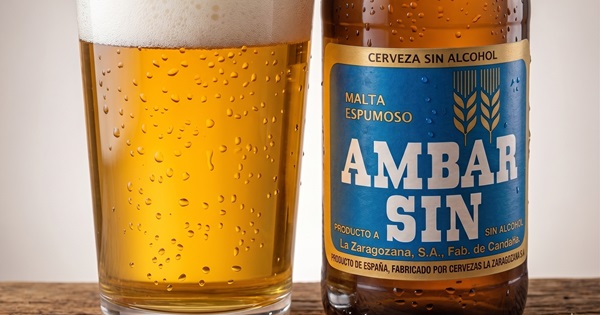
In 1976, La Zaragozana launched Ambar SIN, Spain’s first non-alcoholic beer. Fifty years later, the country leads European consumption at 14% of the market. The story of the inventor, the blue label, and the journey from 4,000 small bottles to global stardom.
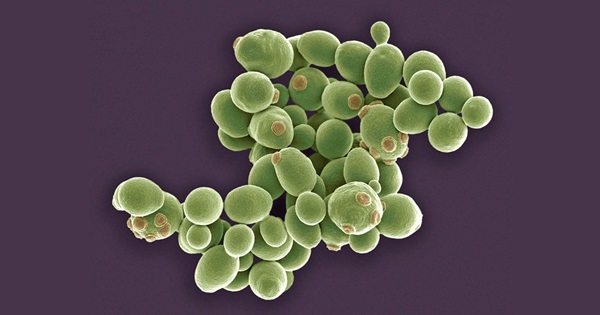
The rise of non-alcoholic or low-alcohol beers has led the brewing industry to explore new yeast strains and fermentation techniques.
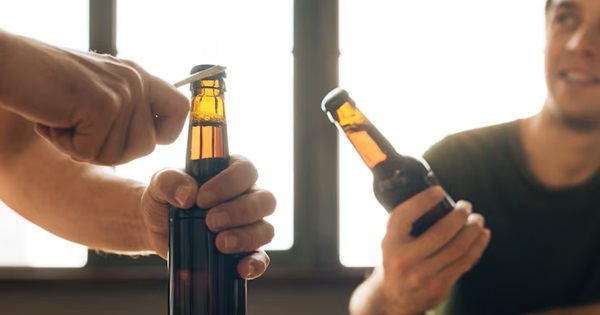
Far from being a simple alternative to traditional beer, non-alcoholic beer presents itself as a versatile and sophisticated option, suitable for a wide variety of social contexts.