Études sur la Bière marked the point of no return; beer ceased to be a product of seasonality and luck to become one of the first great victories of biotechnology.
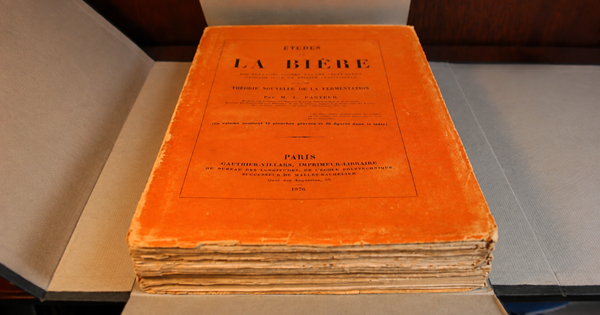

Études sur la Bière marked the point of no return; beer ceased to be a product of seasonality and luck to become one of the first great victories of biotechnology.
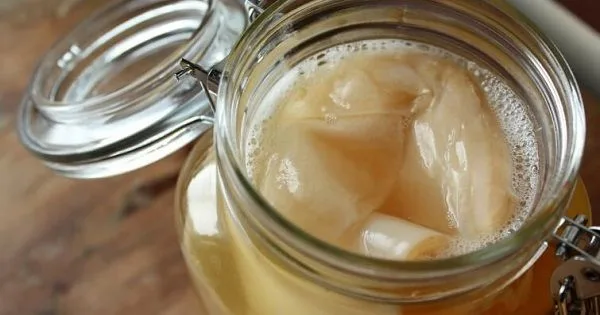
While the origins of kombucha are still unknown, the consensus indicates that it would have originated in Manchuria, China, where writings have been found mentioning the tea mushroom during the Tsin dynasty, around 206 BC.
For millennia, human saliva was the most effective enzyme for creating fermentable sugars as an intimate biochemical reaction that defined the history of fermentation long before agriculture.

Tradition holds that Pythagoras, the celebrated mathematician and philosopher who founded his school in Croton, in southern Italy, grew tired of watching some of his disciples abuse wine during symposia.
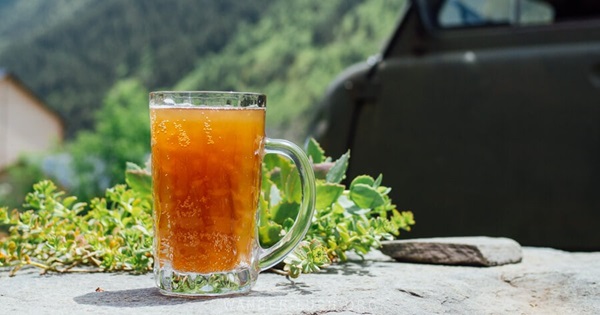
In Tusheti, a remote region of the Georgian Caucasus, the sacred drink is not wine but aludi: a beer brewed with sun-malted barley and wild hops whose recipe has been passed down from grandmother to granddaughter for centuries.
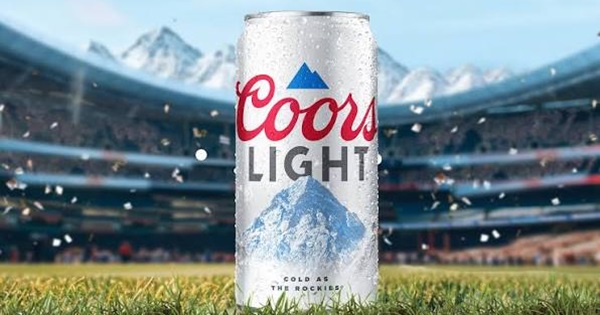
Behind those three numbers lies a brewing story that starts in Colorado in 1978 and a production process that sets it apart from every other lager in the mass market.
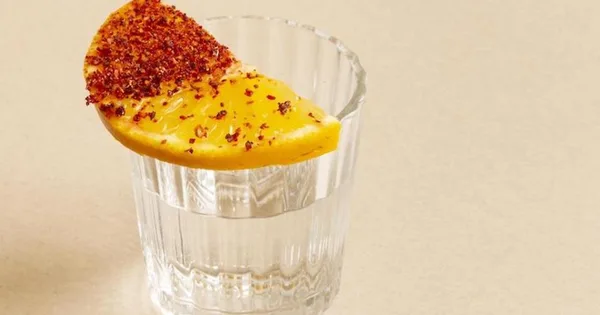
Jesús Sánchez from Conejo en la Luna restaurant in Teotihuacán shares four keys to dive into traditional mezcal without making beginner mistakes.
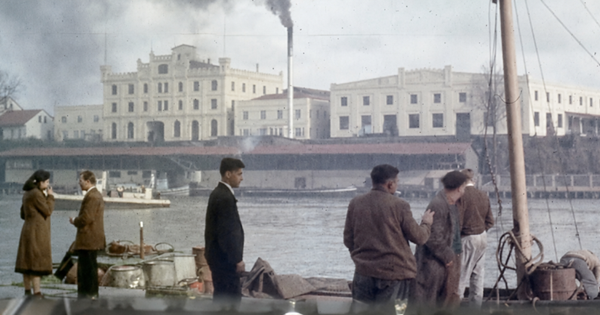
What makes a city of just over 170,000 inhabitants in southern Chile claim the title of beer capital of the southern world without anyone in the region seriously disputing the label?
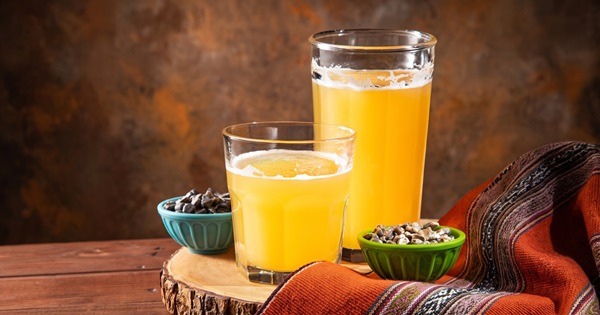
Chicha beer is not chicha mixed with beer. It is its own craft beer style born in the Andes, combining jora corn with barley malt, using local herbs instead of hops, and mixed fermentation instead of industrial yeasts.
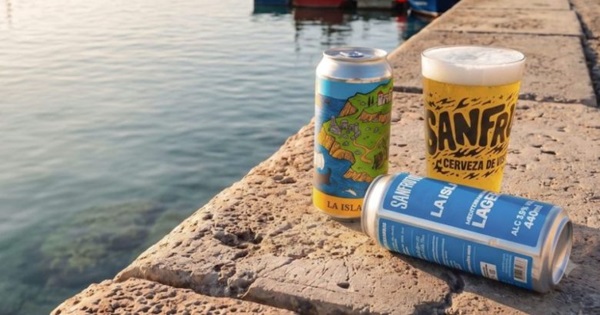
The Spanish Association of Sommellerie and Beer Culture (ASYCCE) has established the Mediterranean Lager as the country’s first officially native style, with a technical description including clear sensory parameters.
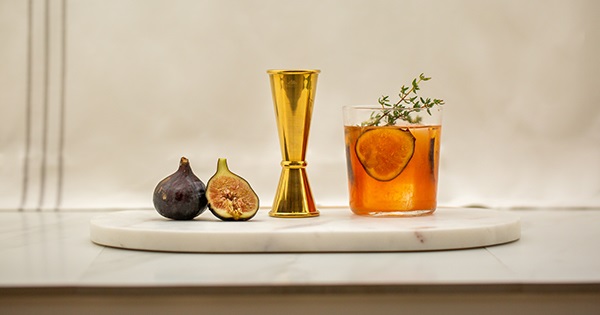
The history of the jigger constitutes the fundamental axis upon which the professionalization of modern mixology was built, transforming a craft based on empirical intuition into an exact technical discipline.
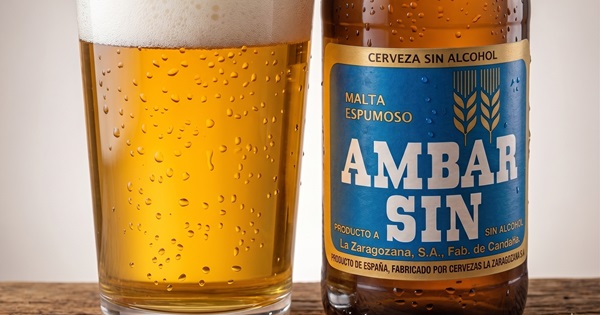
In 1976, La Zaragozana launched Ambar SIN, Spain’s first non-alcoholic beer. Fifty years later, the country leads European consumption at 14% of the market. The story of the inventor, the blue label, and the journey from 4,000 small bottles to global stardom.


