This post is also available in:
 Español
  Português
Mezcal has been accompanying ceremonial and everyday life in Mexico for centuries, but its explosion in the global market has created a paradox: the more popular it becomes, the harder it is to distinguish mezcal that’s worth it from ones that just have a pretty label.
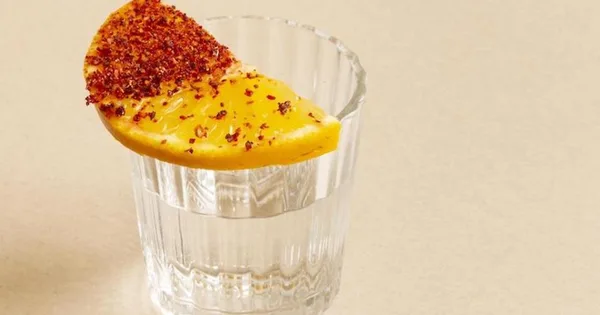
Jesús Sánchez, director of the mezcal brand and Conejo en la Luna restaurant in the Teotihuacán Archaeological Zone, shares four keys for those who want to dive into this spirit without making beginner mistakes.

1. Understand the Geography and Lineage
Unlike other spirits with designations of origin, mezcal has a geography and lineage that are difficult to replicate. It’s produced in nine states of Mexico, with Oaxaca concentrating most of the production from various agave varieties.
Its most valued process is still the artisanal one: cooking agave hearts in earth ovens, grinding in stone tahona pulled by horse, fermentation in wooden vats or hides, and distillation in clay or copper stills.
2. Distinguish Traditional from Industrial
The market has grown remarkably. According to historical data from the Mezcal Regulatory Council (CRM), between 2014 and 2018 the volume of liters certified for commercialization multiplied by almost five.
This expansion also brought industrialization of the process, which dilutes what makes the spirit special. Traditional mezcal always respects the traditional process, with no industrial intervention whatsoever. — Jesús Sánchez, director of Conejo en la Luna (Teotihuacán)
For lovers of artisanal beverages — including beer — mezcal opens up a very similar territory to wild-fermented beers or carbonic maceration wines: the terroir, producer, and process matter as much as the final product.
3. Ask the Right Questions
The first step is information. When you enter a mezcal bar or specialty store, ask about the producer, agave variety, region, and distillation process.
The best artisanal mezcal brands include on the label or neck tag a sheet of the master mezcalero responsible for production. If there’s no origin data, it’s a red flag.
The sommelier or mixologist at the establishment can guide you. It’s not snobbery: it’s the difference between paying for history and terroir and just paying for alcohol with an artificial smoky aroma.

4. Learn to Drink It Properly
Traditional mezcal has an intense presence: smoky, with vegetal notes and an alcoholic graduation normally ranging from 38% to 55% vol. If you’re not used to dry spirits, entering through cocktails is a legitimate option, not a compromise.
Karla Sánchez, mixologist at Conejo en la Luna, recommends fresh and aromatic combinations with seasonal fruits that allow you to appreciate the nuances of mezcal without alcohol intensity overpowering everything.
When you’re already familiar with the flavor, mezcal calls for calm. The traditional ritual involves smelling the glass first—identifying the smoke, dried fruit notes, herbs, and earth—then drinking in small sips, letting the spirit spread across the palate before swallowing. “Like kisses,” as the popular expression says.
The ideal serving temperature is between 18 and 22°C, room temperature in temperate climates. Cold suppresses aromas; heat exacerbates them. Avoid ice in quality mezcal: it dilutes the master mezcalero’s work in minutes.
Perfect Pairings
Mezcal finds its best company in traditional Mexican gastronomy. Sánchez recommends three especially round pairings:
- Barbacoa of lamb
- Maguy worms (gusanos de maguey)
- Ahuautle pancakes (aquatic ants)
In general, spicy, smoky, or fermented flavors from Mexican cuisine work better with mezcal than delicate or neutral preparations.
Frequently Asked Questions (FAQ)
What differentiates traditional mezcal from industrial mezcal?
Traditional mezcal follows the complete artisanal process without industrial intervention: cooking in earthen pits, grinding with a tahona stone mill, fermentation in wood, and distillation in clay or copper stills. Industrial mezcal mechanizes the process, homogenizes the flavor, and loses the nuances of the agave and the producer.
How should mezcal be drunk for the first time?
In a cocktail if you are a beginner, or straight in small sips if you already have experience with distilled spirits. The essential thing is to smell the glass first and let the mezcal coat your palate before swallowing. No ice, no rush.
What dishes pair well with mezcal?
Jesús Sánchez recommends lamb barbacoa, maguey worms, and ahuautle tortitas (aztec caviar). In general, any traditional Mexican cuisine dish with intense, spicy, or smoky flavors.
What is the Mezcal Regulatory Council and what is it for?
It is the organization that certifies production with Denomination of Origin in accordance with NOM-070. Without its seal, an agave distillate cannot legally be called mezcal in Mexico.

You may also be interested in
- The battle for the survival of pulque, the elixir of the ancient Mexicans
- The best tequila cocktail recipes, ingredients, and step-by-step