This post is also available in:
 Español
  Português
  Français
Enzymes are defined as complex biological catalysts of a protein nature that trigger reactions without being changed by them or appearing in the final product.
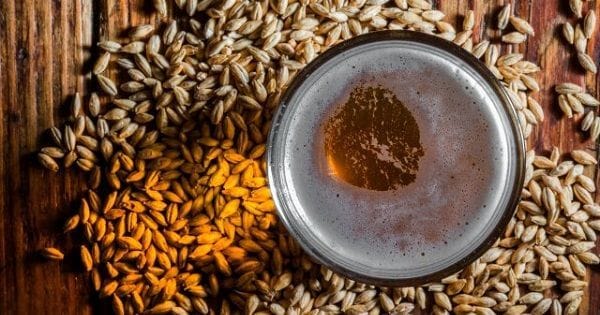
Enzymes switch on and off under certain conditions, and the mashing process is what manipulates those conditions. The enzymes involved in brewing beer develop or become active inside the grain during malting.

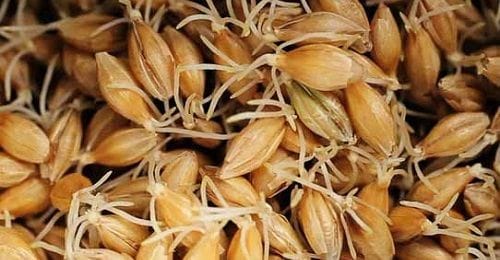
The maltster makes the grain believe it is time to sprout by moistening it and starting germination. Inside the barley kernel, nature has placed a host of enzymes ready to help the sprout grow.
Which Enzymes Matter When Brewing Beer?
The enzymes we care about are the ones that break down the starch in the grain and give the sprout access to the resulting sugar as food, until the plant reaches the surface and can make its own food through photosynthesis.
Those enzymes, which form during germination and are preserved during kilning, are used by the brewer to turn crushed malt into a sweet liquid during the mash.
The sweet liquid is separated from the grain and all the available sugars are collected during sparging. This liquid is then boiled in the kettle with hops to finish making the wort.
Once it has cooled, it is pitched with yeast, and once fermentation is complete, we have beer.
| Enzyme | Function | Optimum | Range | Effects on the beer |
| Proteases | Breakdown of large proteins | 45 – 55°C | 37 – 55°C | Contributes body and head retention. |
| Peptidases | Release of amino acids | 45 – 55°C | 37 – 55°C | Provides nutrients to the yeast and aids fermentation. |
| Beta-glucanases | Breakdown of beta-glucans | 37 – 45°C | 30 – 45°C | Lowers viscosity and prevents thick worts. |
| Alpha-amylase | Liquefaction of starch into dextrins | 70°C | 63 – 70°C | Increases body and mouthfeel. |
| Beta-amylase | Conversion of starch into fermentable sugars | 60 – 65°C | 55 – 65°C | Drier beer with a higher alcohol content |
Table 1. Temperature and activity of the enzymes
Proteolytic and Diastatic Enzymes
This is a simplified version of what happens before and during brewing. The enzymes that matter to the brewer are the ones he or she can control.
These are the proteases, or proteolytic enzymes, which, as the name implies, break down proteins. The other group of enzymes we want to control are the diastases, or diastatic enzymes, which break down starch.
Protein molecules are long, complex chains that contain nitrogen. They are made of amino acids linked into three-dimensional chains with thousands of atoms.
The proteolytic enzymes in malt shorten those chains in a way that benefits our beer. Proteins matter a great deal to us. To begin with, yeast needs free amino acids to grow.
Some proteins that remain in the beer are responsible for body and mouthfeel. Others are responsible for forming the head and keeping it.
There are also proteins that cause haze in beer. Finally, the nitrogen from proteins combined with carbohydrates during malting is responsible for many of the flavors in beer.
Proteases and Peptidases
Two groups of proteolytic enzymes are important in the brewing process, the proteinases or proteases and the peptidases.
Proteases break large protein molecules into smaller chains of amino acids, which promote head retention and reduce haze.
Peptidases release individual amino acids from the ends of proteins, and these serve as food for the yeast. The process in which the proteolytic enzymes are active is known as the protein rest or proteolytic rest.
Most of the proteins in the wort do not become soluble until they reach the temperature range of 45 to 55°C (113 to 131°F) used for the protein rest.
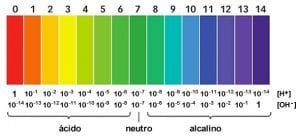
The ranges of the two enzymes overlap, and the ideal temperature for a protein rest is 50°C (122°F). Above that range, the proteolytic enzymes gradually denature. The ideal pH range is slightly lower than the normal mash pH of 5.2 to 5.8, but they work quite well within that interval, so you should not go to the trouble of lowering the pH.
| Enzyme | Optimum pH | Action |
| Proteases | 5.0 – 5.2 | Allows proteins to be broken down. |
| Peptidases | 5.0 – 5.2 | Helps release amino acids for the yeast. |
| Beta-glucanases | 5.2 – 5.5 | Prevents viscous worts. |
| Alpha-amylase | 5.6 – 5.8 | Promotes a greater share of dextrins. |
| Beta-amylase | 5.2 – 5.5 | Improves the production of fermentable sugars. |
Table 2. Optimum pH for brewing enzymes
1. Protein Rest
The protein rest is not as necessary now as it used to be, because most malts are fully modified.
Longer malting lets the proteolytic enzymes break down the malt proteins to a certain point, which is why the protein rest is not widely used today.

If chill haze in pale beers worries you, or you use undermodified malt or a large proportion of flaked or unmalted grain (>25%), then a protein rest may be worthwhile.
Running a protein rest with well-modified malts can break down the proteins responsible for head retention and body, leaving a thin beer with no head.
2. Temperature
A little below this range the beta-glucanases are at work, and they are not proteolytic. They break down beta-glucans, gums in the cell walls of the grain’s endosperm that, if they are not broken down, produce a viscous, thick wort.
When more than 25% unmalted grain is used, a rest between 37 and 45°C (99 and 113°F), below the protein rest, for 20 minutes can be worthwhile to break down beta-glucans without affecting the proteins that contribute to body and head retention.
Diastatic Enzymes
Diastatic enzymes break down starch (the endosperm of the grain) and convert it into fermentable sugars and unfermentable dextrins.
Our interest centers on two diastatic enzymes that are active during the mash, alpha-amylase and beta-amylase.
These enzymes work together to break these long, complex chains of soluble (or gelatinized) starch down into sugars and dextrins.
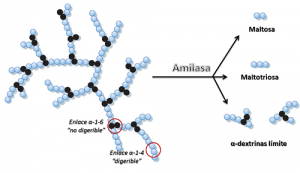
Starch molecules are basically long chains of glucose molecules, but because of the bonds between them, they are not fermentable.
Dextrins are chains of four or more glucose molecules left over from starch that was only partly broken down during the mash. Yeast cannot ferment them and they have very little flavor, but they contribute body and mouthfeel to the beer.
Alpha-amylase cuts starch molecules at random into pieces that beta-amylase can work on. Until these molecules are broken down, they are not fermentable and are known as dextrins.
What alpha-amylase does is a process known as liquefaction. Physically, it liquefies the starch, preparing it for further enzymatic action.
1. Mash Schedules
Mash schedules that favor alpha-amylase activity (with an optimum at 70°C, or 158°F) produce a wort with a high percentage of unfermentable sugars, or dextrins.
The beer made this way is full, with a denser body and more mouthfeel. Beta-amylase, by contrast, cuts off maltose units (two glucose molecules) from the ends of starch and dextrin chains, and maltose is the main fermentable sugar in wort.
The combined action of the two enzymes also leaves glucose and maltotriose (three glucose molecules), which yeast can ferment.
Mash schedules that favor beta-amylase activity (optimum between 60 and 65°C, or 140 and 149°F) produce a highly fermentable wort. The resulting beer will have a drier palate, greater attenuation and a higher alcohol content.
2. Temperature
It is important to understand that, although each diastatic enzyme has an optimum temperature, both will work across a fairly wide temperature range, and for most of the time their activity overlaps.
Both alpha-amylase and beta-amylase work together between 63 and 70°C (145 and 158°F). So, in general, if you want a lighter-bodied, drier and more alcoholic beer, you can mash at the low end of the range.
If you want a fuller-bodied beer with more dextrins, you should mash at the upper end. Brewers usually settle on intermediate mash temperatures of around 67°C (153°F).
Frequently Asked Questions (FAQ)
1. How Does Mash pH Affect Enzyme Efficiency?
pH affects the shape of the enzymes and their ability to act on starch. Within the usual range of 5.2 to 5.8, a pH close to 5.2 favors beta-amylase and gives more fermentable worts, while a somewhat higher pH benefits alpha-amylase. Outside that range the enzymes lose activity and starch conversion becomes less efficient.
2. What Happens If the Protein Rest Runs Too Long With Modern Malts?
Running a long protein rest (45 to 55°C) with “well-modified” malts (most of today’s base malts) is counterproductive. The proteases will over-degrade the long-chain proteins that are essential for head retention and body. The result is a beer that looks “poor”, with a head that collapses quickly and a watery mouthfeel.
3. Why Did My Beer Turn Out Too Sweet Even Though I Mashed at the Right Temperature?
A common cause is premature deactivation of beta-amylase. If the temperature rises above 70°C at the start of the mash before settling in the low range, beta-amylase denatures quickly and does not recover. Without it, alpha-amylase leaves a much larger share of dextrins, and the beer ends with a higher final gravity and more residual sweetness.
4. When Is a Beta-Glucanase Rest Really Necessary?
This rest (37 to 45°C) is advisable when more than 25 or 30% of the grist is unmalted adjuncts, such as flaked wheat, oats or barley. Beta-glucans are gums that raise viscosity, and without enzymatic breakdown the brewer risks a “stuck mash”, where the liquid does not drain through the grain bed during sparging.
5. What Is “Diastatic Power” and Why Does It Matter for Enzymes?
Diastatic power measures the enzyme reserve a malt has for converting starch into sugar. Base malts (such as Pilsner or Pale Ale malt) have high diastatic power and can convert their own starches and those of adjunct grains. Specialty malts (caramel, roasted) have lost their enzymes to the heat of roasting, so if a recipe has too many adjuncts and too little base malt, there will not be enough enzymes to complete conversion, leaving residual starch in the beer.

Recommended
- What Is Beer Attenuation? The Percentage That Decides Whether Your Beer Will Be Dry or Sweet
- What Is Beer and How Is It Brewed? Definition, Ingredients, and Basic Processes