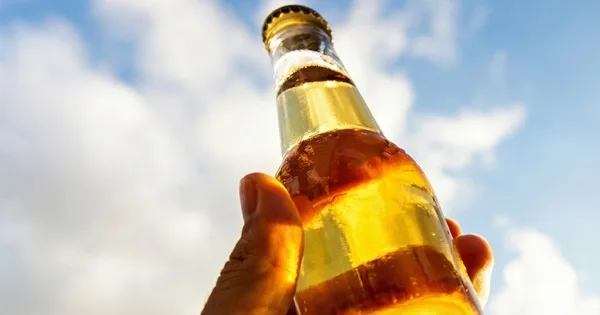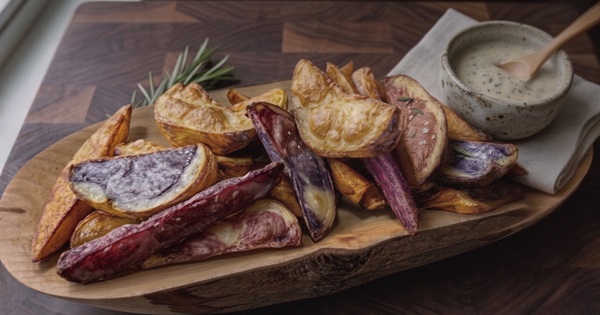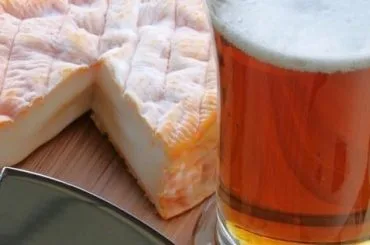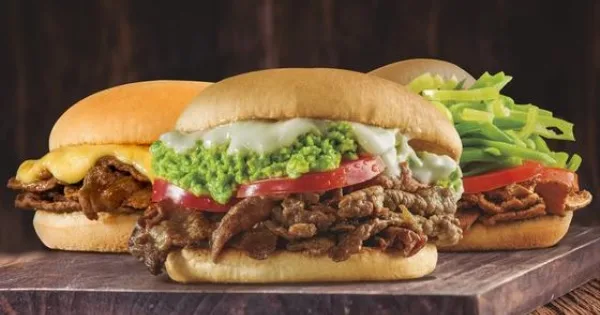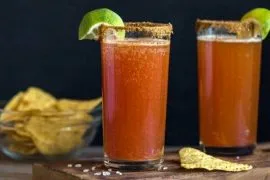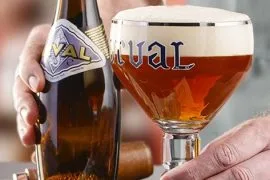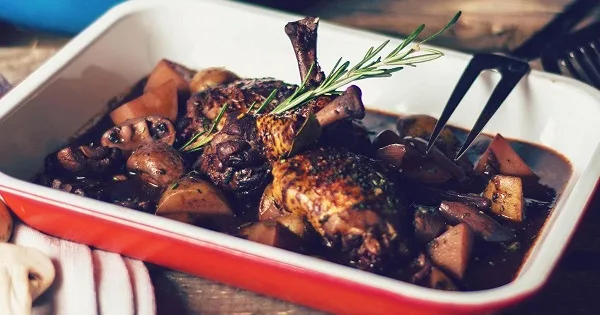
Its designations of origin, the richness of its cured and smoked products, as well as its regional variety—from Atlantic Galician cuisine to Levantine pastry—offer a vast territory to explore the principles of beer pairing.
The history of science is filled with characters who worked in the shadows, far from the academic spotlight, but whose contributions ended up transforming entire disciplines. William Sealy Gosset is one such case.
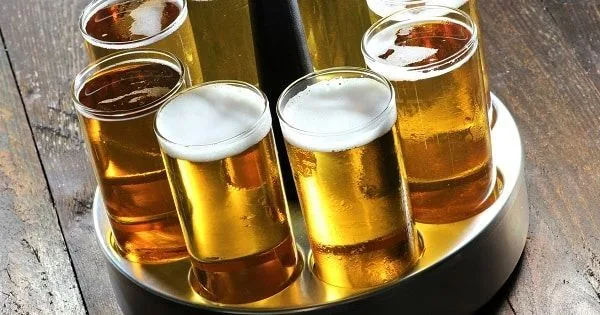
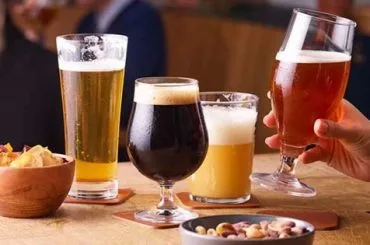
Researchers at the University of Bristol in the United Kingdom conducted an experiment that sought to demonstrate how the shape of the glass has a huge effect on the speed at which we consume a beer.
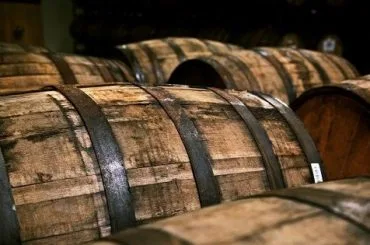
Andy Parker, head brewer and manager of the barrel program at Avery Brewing Co. (Boulder, Colorado), provides 5 tips on how to properly age beers in barrels.
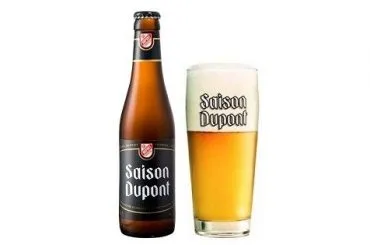
Saison beers were an early form of “fuel” in pre-industrialized Belgian farms, a crucial component for the success of the harvest season in the old farmhouses of the country.
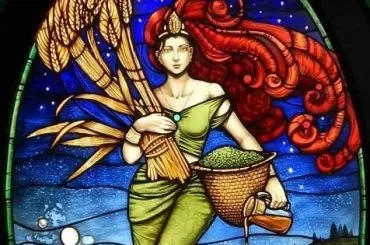
An essential part of the Eleusinian rites was the consumption of a beverage called ‘Kykeon,’ an infusion made from sacramental water, barley, and mint, which is also believed to have contained ergot fungus, a precursor to LSD.
Artículos destacados
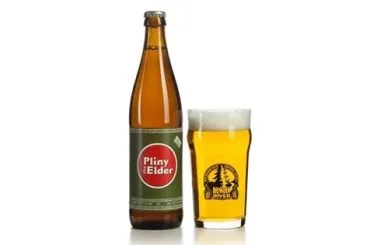
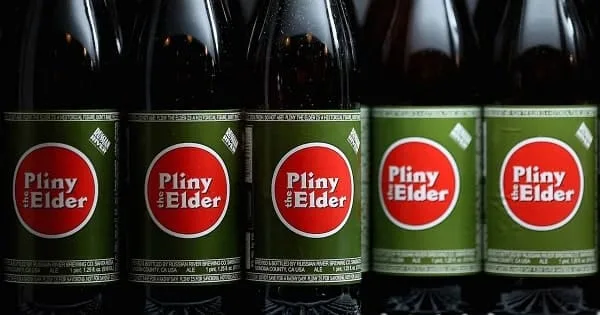
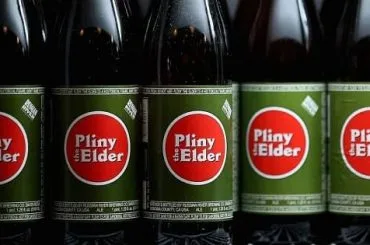
Pliny the Elder is not just a beer; it is a living legend of the American craft beer movement and an absolute benchmark for the Double IPA style, coveted and studied by brewers and enthusiasts worldwide.
The Eleusinian Mysteries were annual celebrations that took place in the autumn, approximately twenty kilometers west of Athens, at a sanctuary dedicated to the goddesses Demeter and Persephone.
Andy Parker, head brewer and manager of the barrel program at Avery Brewing Co. (Boulder, Colorado), provides 5 tips on how to properly age beers in barrels.
The sober curious movement is defined as the introspective practice of questioning one’s personal relationship with alcohol, prioritizing physical and mental well-being without the need to adopt a label of absolute abstinence or addiction recovery.
You do not simply request an "IPA recipe"; instead, you instruct Claude Code to first analyze the ingredient inventory, evaluate the cooling capacity of the equipment, and propose a mashing process that favors the desired final body.
The story of Negra Modelo goes beyond the beer itself; it is a narrative that combines tradition, innovation, and deep cultural roots in Mexico.
The idea was born with the help of social media in 2011, with Ashley Routson and Ryan Ross as its main promoters, quickly spreading globally as one of the most important beer style celebrations.
The Brewer’s Star, also known as Bierstern or Brauerstern, is an iconic symbol that has accompanied humanity for over 500 years, representing the art, tradition, and passion behind beer brewing.
Gushing is an undesirable phenomenon in beer characterized by an excessive and violent release of carbon dioxide (CO₂) when opening a bottle or can, leading to an uncontrollable overflow of foam and liquid.
This measure will affect U.S.-produced beers, ciders, wines, and spirits, which will no longer be available in stores, bars, restaurants, and supermarkets.
Whether you’re a beginner homebrewer or an experienced one with years of practice and hundreds of batches under your belt, the fundamentals always remain the same.
In the early days of history, there were no hierarchies or private property, only vast savannas to explore and a new world to discover with seemingly endless natural resources. These were the beginnings of what we now understand as humanity.
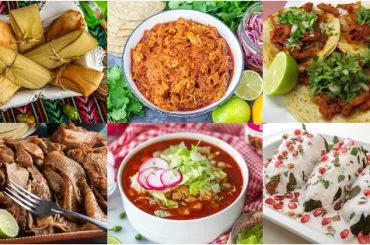
The richness of Mexican gastronomy lies not only in the diversity of its ingredients but also in the cultural depth…
The history of the St. Bernardus Brewery is strongly linked to two Trappist abbeys since the monks of Catsberg Abbey (Mont des Cats) decided to move to Belgium and settle in the small town of Watou.
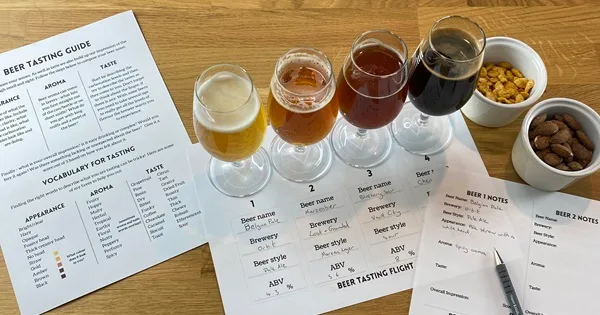
Identifying the various aromas and flavors present in beer not only enhances the drinking experience but also provides a deeper understanding of the brewing processes and the unique characteristics of each beer style.
Throughout history, brewers worldwide have relied on local water sources to craft their beers, giving rise to distinct beer styles intrinsically linked to specific regional water profiles.
Beer is a beverage that is ‘alive’, that changes over time, because from the very moment it leaves the brewery, its characteristics evolve, sometimes positively and often undesirably.
The origins of the snifter glass date back to 18th-century France, gradually refined by European glassmakers to capture and concentrate the complex aromas developed during prolonged barrel aging.
Like any product of agricultural origin, cider has very specific production rhythms tied to the seasons. Of course, the key in this case lies in the apple.
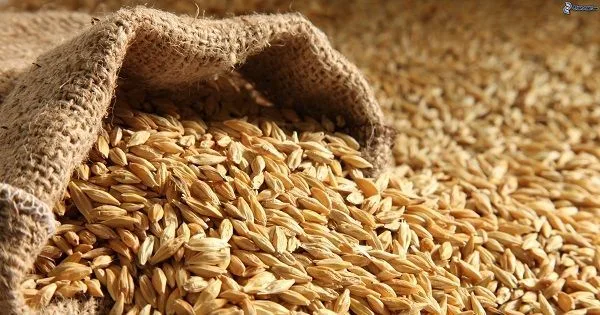
In simple words, beer is an alcoholic beverage made from starches obtained from cereals and other grains, flavored and aromatized with hops, which are then fermented in water with yeasts of the genus Saccharomyces.
Almost everyone agrees that the tradition of consuming green-tinted beer on St. Patrick’s Day is not an Irish tradition; however, very few know the true story of the origin of this custom, where and how it began.
The controversial theory claiming that Christ lived in a beer-centric culture—and that his deeds and miracles involved this beverage rather than wine, as traditionally believed.
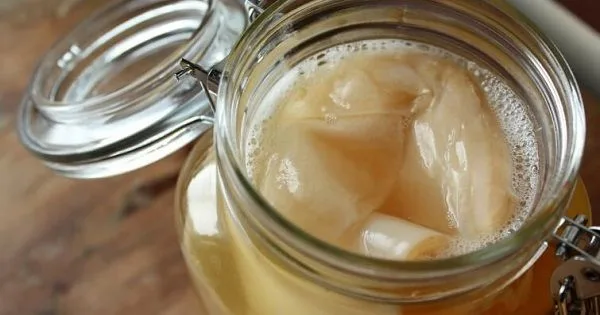
Historical records place the origin of kombucha in northeastern China, around 220 BC, where it was prepared as a medicinal drink known as hóngchájūn (red tea fungus, equivalent to black tea in the West).
Duvel Moortgat is a family brewery founded in 1871 by Jan-Leonard Moortgat in the town of Breendonk, being one of the more than 3,000 breweries operating in Belgium at that time.
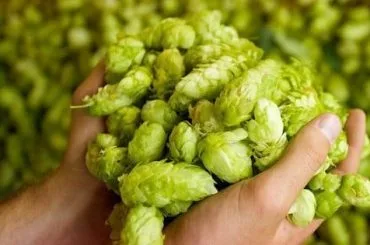
Beer brewing, which has historically used hop flowers to achieve its preservation balance and bitterness, is now undergoing a structural transformation driven by the science of alternative ingredients.
In medieval Europe, beverages mixing beer, butter, eggs, and spices were already common. Thus, the modern Harry Potter butter beer draws inspiration from these ancient traditions, adapting them to modern varieties with or without alcohol.
Pilsner Urquell is the first beer of its kind in history and the one from which, for better or worse, all others in its style were developed. Its quality is guaranteed by the use of the original recipe.
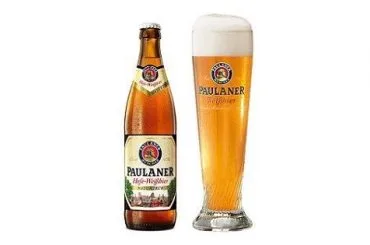
Paulaner Hefe-Weissbier, a German wheat beer with notes of banana, clove, and citrus, is perfect for pairing with Bavarian dishes, fresh cheeses, roasted vegetables, and citrus desserts. Its unique flavor and versatility make it ideal for any occasion.
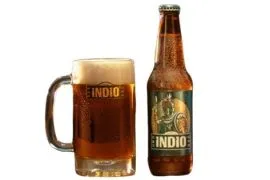
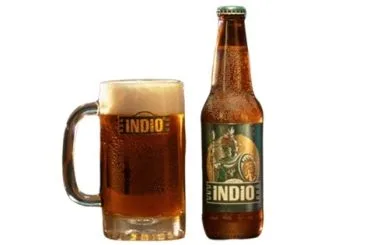
Indio is one of Mexico’s most iconic beers, with a rich history dating back to 1893. It emphasizes the use of local ingredients and traditional brewing techniques.
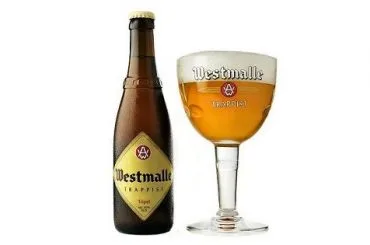
Westmalle Tripel is a Belgian Trappist beer brewed by Brouwerij der Trappisten van Westmalle and first introduced to the market in 1934, being a pioneer of its style and marking a milestone in the country’s brewing tradition.
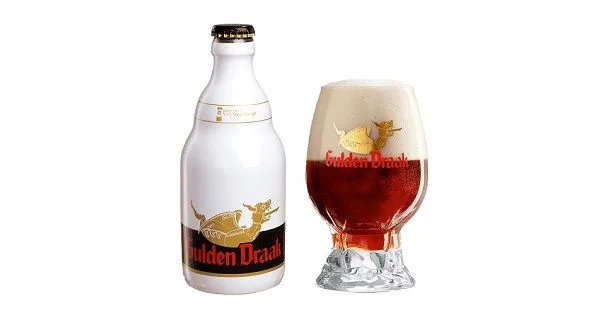
Gulden Draak is a Belgian strong ale-style beer originating from Ertvelde, Belgium, and brewed by Brouwerij Van Steenberge, with 10.5% ABV, 18 IBU, and 255 total calories.
The pinnacle of the St. Bernardus portfolio is a dark-colored, ivory-foamed, top-fermented beer that is easy to drink due to its smooth flavor and fruity aroma.
Pliny the Elder is not just a beer; it is a living legend of the American craft beer movement and an absolute benchmark for the Double IPA style, coveted and studied by brewers and enthusiasts worldwide.
Duvel is an emblematic Belgian beer that, since its creation in the 1920s, has achieved iconic status in the beer world for its complexity and balance.
Houblon Chouffe Bière Tripel IPA represents a unique fusion of the English IPA tradition, the American Double IPA revolution, and the Belgian Tripel heritage.
This ecosystem, formed by billions of microorganisms that reside in the digestive tract, is key for numerous physiological functions, such as digestion, nutrient synthesis, the immune response, and the production of serotonin.
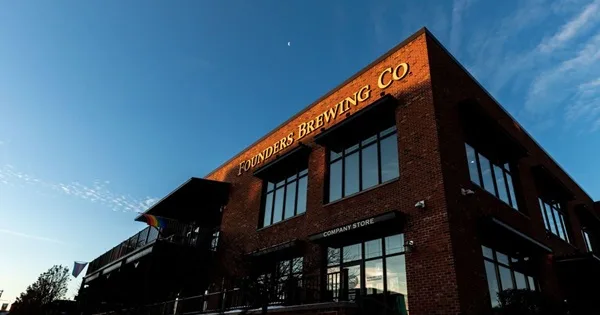
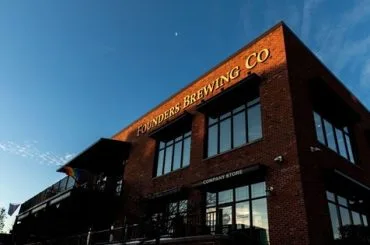
Mahou San Miguel has announced the acquisition of 100% of Founders Brewing, one of the most prestigious craft breweries in the United States, based in Grand Rapids, Michigan.
To start this top 10 of the best-selling beers in the world, we can comment that for 2020, most of them are on the way to generating an impressive sum of 688.4 billion dollars in sales.
In South Korea, the two most popular alcoholic beverages are soju and beer. This is why the smooth and delicious beer cocktail known as “somaek” has gained immense popularity, creating a perfect combination of both.
Why is a slice of lemon placed on the neck of clear glass beer bottles and not on others? It is a mystery that has never really been clear until now.
The cold chain essentially means that the product being distributed is kept refrigerated at a constant temperature at all times, including during transportation.
To identify S. chiloensis as a new species, scientists used an integrative taxonomy approach, combining analysis of genomic sequences, reproductive isolation studies, and phenotypic analyses.
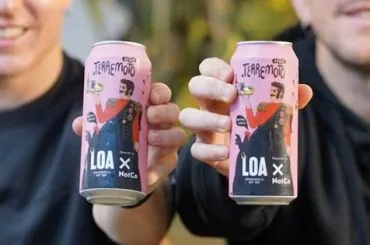
The beverage, named “Ocho punto ocho” (8.8), combines the characteristic flavor of the terremoto with a different nutritional profile, standing out for its lower sugar content and half the calories compared to the homemade version.
The rise of non-alcoholic or low-alcohol beers has led the brewing industry to explore new yeast strains and fermentation techniques.
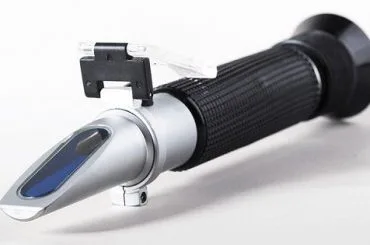
A refractometer is an optical instrument that measures the sucrose concentration of a solution based on the refractive index produced by light in that solution.
Throughout history, brewers worldwide have relied on local water sources to craft their beers, giving rise to distinct beer styles intrinsically linked to specific regional water profiles.
You do not simply request an "IPA recipe"; instead, you instruct Claude Code to first analyze the ingredient inventory, evaluate the cooling capacity of the equipment, and propose a mashing process that favors the desired final body.
The isohumulones in solution within the cuvette will mainly absorb specific wavelengths, in this case, 275 nanometers. Once the absorbance value is obtained, only a quick and straightforward final calculation is required to determine the actual IBU value of the beer.
The acronym was popularized in 2004 by Patrick J. McGinnis in an article for the Harvard Business School magazine, where he described the profound anxiety derived from exclusion from influence networks and social events.
At the beginning of the 18th century, London was not the refined capital that Victorian literature would later suggest; it was a crowded, hungry, growing metropolis, the setting for what historians call the ‘gin craze’.
You do not simply request an "IPA recipe"; instead, you instruct Claude Code to first analyze the ingredient inventory, evaluate the cooling capacity of the equipment, and propose a mashing process that favors the desired final body.
Achieving a high-quality non-alcoholic beer requires a reengineering of non-fermentable carbohydrates to replicate the tactile resistance that alcohol naturally provides in traditional beers.
The Eleusinian Mysteries were annual celebrations that took place in the autumn, approximately twenty kilometers west of Athens, at a sanctuary dedicated to the goddesses Demeter and Persephone.