This post is also available in:
 Español
  Português
Lamb is undoubtedly one of the stars of international cuisine, and here we present a dark beer lamb recipe accompanied by rice and a little basil-mint pesto that will give the dish an ideal touch of freshness.
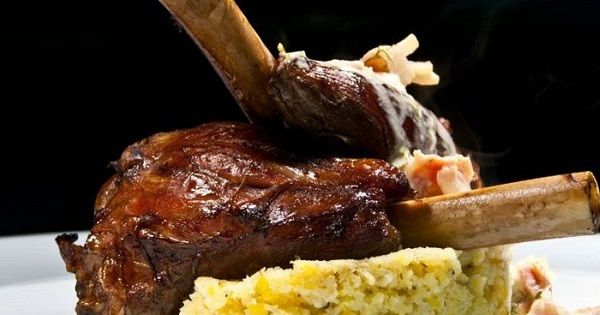
As for the beer, as always, you can use any of your favorites — whether a Porter, a Stout, or a Schwarzbier, depending on the intensity you want the beer to contribute as an ingredient.
Nutritional information
Each serving of dark beer lamb contains approximately 580 kcal, 22 g of carbohydrates, 14 g of sugars, 28 g of total fat (high in saturated fat), 42 g of protein, 3 g of fiber, 115 mg of cholesterol, and 680 mg of sodium.
How to make beer-braised lamb?
The recipe consists of a long stew where the lamb cuts are seared at high temperature and then cooked slowly in a dark beer reduction (Porter or Stout styles), enhanced with honey, soy sauce, fresh rosemary, bay leaf, and an aromatic base of leeks, onions, and shallots.
Preparation: 30 minutes
Cooking: 3 hours
Servings: 4 people
Ingredients
- 1 kg lamb
- 1 liter dark beer
- 50 ml soy sauce
- 2 shallots
- 2 tablespoons honey
- 2 onions
- 2 leeks
- 1 sprig of rosemary
- 1 bay leaf
- Fine salt
- Black pepper
- Olive oil
Preparation
- In a large pot, add olive oil and brown the lamb. Season with salt and pepper, remove and set aside.
- In the same cooking base used for the lamb, sauté 2 leeks, 2 onions, and 2 finely chopped shallots.
- Return the lamb to the pot and add the liter of chosen dark beer, the bay leaf, the rosemary sprig, and 2 large tablespoons of honey mixed with ¼ cup of soy sauce.
- Cook over low heat for 2 to 3 hours until almost all the liquid has evaporated and only a dark sauce remains. The meat should easily fall off the bone — monitor the cooking and adjust seasoning to taste.
- Turn off the heat and serve the dark beer lamb immediately with your chosen accompaniment.
Advantages of cooking lamb with beer
Cooking lamb in beer has several advantages that can significantly improve the flavor and texture of the final dish:
1. Flavor depth
Dark beer adds a unique and robust flavor to the lamb that perfectly complements its rich, juicy meat.
2. Meat tenderness
The acids and enzymes present in dark beer help tenderize the lamb fibers, resulting in a more tender and juicy meat at the end of the cooking process.
3. Complexity
Dark beer adds depth and complexity to the flavor of the lamb, creating a more interesting and flavorful dish.
4. Caramelization
During slow cooking, the dark beer reduces and caramelizes, creating a thick, rich sauce that enhances the flavor of the lamb and adds a sweet, smoky touch.
5. Moisture
Dark beer also helps retain moisture in the meat during cooking, preventing the lamb from drying out and ensuring a juicy, succulent texture.
Frequently Asked Questions (FAQ)
1. What type of dark beer gives the best results?
It depends on the profile you’re looking for. A Porter or Schwarzbier will contribute toasted bread, nut notes, and a well-balanced moderate bitterness. A Stout — especially Imperial or oatmeal style — will deliver a much denser, darker character with pronounced espresso notes that enhance the wild side of the lamb.
2. Why does this method tenderize the fibers so effectively?
Lamb is rich in collagen and dense connective tissue. Three hours of low-temperature cooking denatures the collagen and hydrolyzes it, transforming it into soft gelatin. Additionally, the mildly acidic pH of the beer helps weaken the protein bonds in the muscle fibers.
3. Can I use red onion instead of shallots?
Yes. Shallots are preferred in fine cooking for their balance — they have the delicacy of leek and the subtle sweetness of garlic. If you can’t find them, substitute with very finely chopped red onion and a small pressed garlic clove.
4. What is the role of soy sauce in a traditional stew?
The soy sauce is not added to give the dish an Asian profile, but to contribute natural monosodium glutamate. This amino acid acts as a flavor enhancer that activates the umami taste receptors, multiplying the meaty depth of the lamb and the beer.
5. How should the basil-mint pesto be incorporated?
Mint is lamb’s historic herbal pairing because its essential oils (menthol) provide a chemical cooling sensation that spectacularly cuts through the heaviness of the lamb fat. Serve the pesto fresh as a drizzle or crown over the hot meat just at plating — never cook it inside the pot or it will lose its bright green color and volatile aromas.
Recommended
- Schneider Aventinus: The Origin of the First Doppelbock Beer
- 15 Essential Glasses and Goblets for Any Beer Lover