
This post is also available in:
 Español
  Português
  Français
Stout is a beer style with almost 300 years of history, a direct descendant of Porter, from which it originally evolved to become a style in its own right that has since given rise to numerous variations.

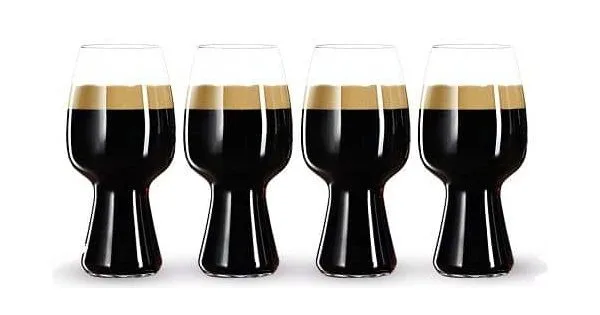
Here we present the definitions of the eight variants of this style set out by the Beer Judge Certification Program (BJCP) in its 2021 Style Guidelines, the edition still in force in 2026, along with their updated vital statistics.
What Is a Stout Beer?
A Stout is a black or very dark ale brewed with roasted malts or roasted barley, which give it flavors of coffee, cocoa and bitter chocolate, with a bitterness that ranges from moderate to high. It was born in London in the 18th century as a stronger Porter, the “stout porter”, and over time it broke away to become a style of its own.
The BJCP itself defines Porter as the predecessor of all Stouts. Guinness, the best-known example, began brewing a “stronger porter” around 1810 and in 1821 launched its Extra Superior Porter, the forerunner of today’s Irish Extra Stout.
How Many Types of Stout Are There?
The 2021 BJCP Guidelines recognize eight types of Stout, spread across three categories. The following table summarizes their ranges and gives one commercial example of each.
| Style | BJCP category | IBU | SRM | ABV | Commercial example |
|---|---|---|---|---|---|
| Irish Stout | 15B | 25 to 45 | 25 to 40 | 3.8 to 5.0% | Guinness Draught |
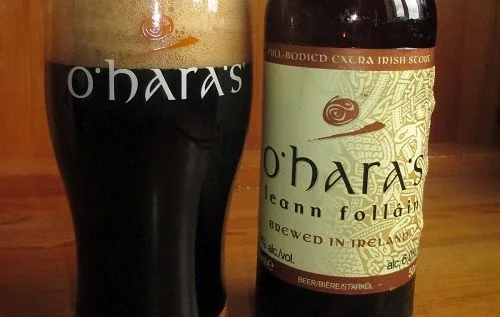
| Irish Extra Stout | 15C | 35 to 50 | 30 to 40 | 5.0 to 6.5% | O’Hara’s Leann Folláin |
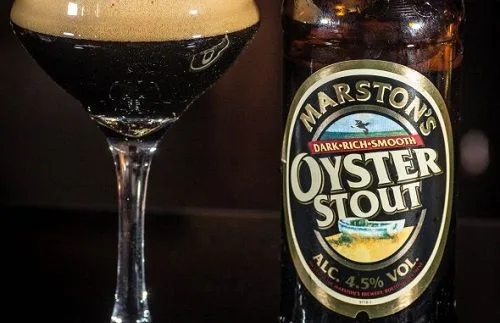
| Sweet Stout | 16A | 20 to 40 | 30 to 40 | 4.0 to 6.0% | Marston’s Oyster Stout |
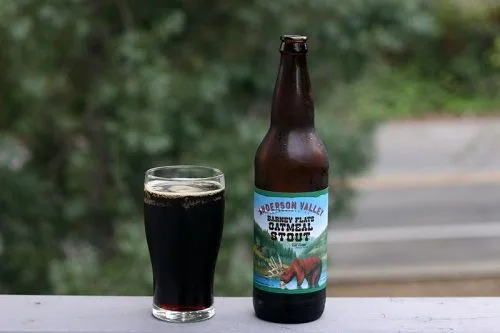
| Oatmeal Stout | 16B | 25 to 40 | 22 to 40 | 4.2 to 5.9% | Anderson Valley Barney Flats |
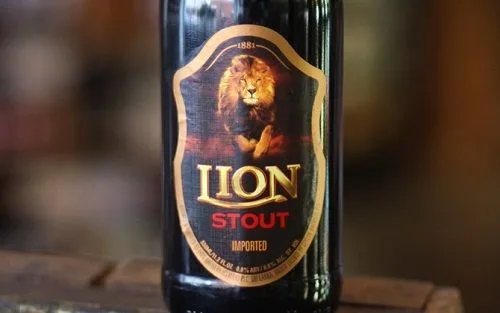
| Tropical Stout | 16C | 30 to 50 | 30 to 40 | 5.5 to 8.0% | Lion Stout |
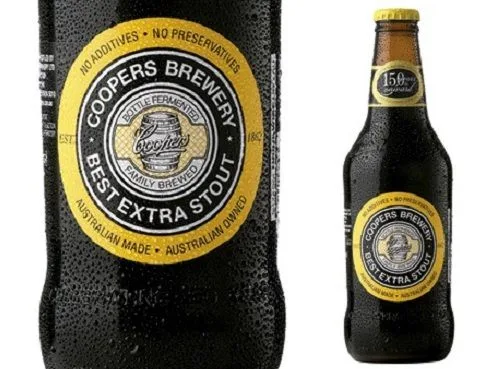
| Foreign Extra Stout | 16D | 50 to 70 | 30 to 40 | 6.3 to 8.0% | Coopers Best Extra Stout |
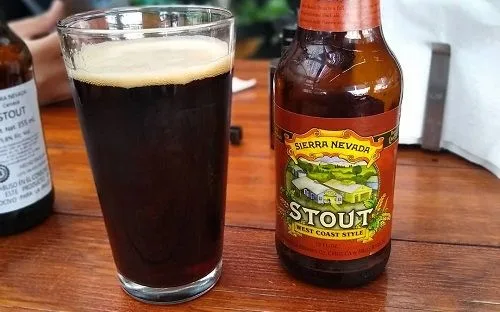
| American Stout | 20B | 35 to 75 | 30 to 40 | 5.0 to 7.0% | Sierra Nevada Stout |
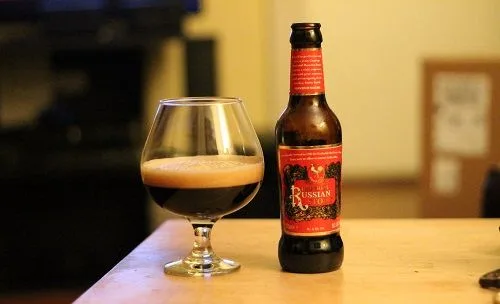
| Imperial Stout | 20C | 50 to 90 | 30 to 40 | 8.0 to 12.0% | Courage Russian Imperial Stout |
Compared with the 2015 guidelines, only two styles change. The Irish Stout widens its strength to between 3.8% and 5.0%, and the Irish Extra Stout moves to between 5.0% and 6.5% with a minimum color of 30 SRM.
What Is the Difference Between a Stout and a Porter?
Historically, Stout was a stronger Porter, which is why the line between the two is blurry. Today the BJCP separates them mainly by color and intensity, since Stout is black with a more pronounced roast, while Porter leans toward brown and more caramel-like flavors.
In practice, many Stouts use unmalted roasted barley, which brings that dry coffee flavor, and many Porters are brewed with chocolate and caramel malts. The differences between English and American Porter are covered in this style guideline analysis.
1. Irish Stout (15B)
Overall Impression
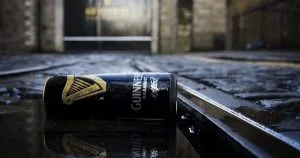
A black beer with a pronounced roasted flavor, often similar to coffee. The balance can range from fairly even to quite bitter, with the more balanced versions having a little malty sweetness and the bitter versions being quite dry. Draught versions are typically creamy from a nitro pour, but bottled versions will not have this dispense-derived character. The roasted flavor can range from dry and coffee-like to somewhat chocolaty.
Aroma
A moderate coffee-like aroma typically dominates; it may have secondary notes of light dark chocolate, cocoa and/or roasted grain. Esters range from medium-low to none. Hop aroma is low to none, may be lightly earthy or floral, but is typically absent.
Appearance
Jet black to very deep brown with garnet highlights in color. According to Guinness, “Guinness beer may appear black, but it is actually a very dark shade of ruby.” Opaque. A thick, creamy, long-lasting, tan- to brown-colored head is characteristic when served on nitro, but don’t expect this tight, creamy head on a bottled beer.
Flavor
Moderate roasted grain or malt flavor with a medium to high hop bitterness. The finish can be dry and coffee-like to moderately balanced with a touch of caramel or malty sweetness. Typically has coffee-like flavors, but also may have a bittersweet or unsweetened chocolate character in the palate, lasting into the finish. Balancing factors may include some creaminess, low to medium-low fruitiness and none to medium hop flavor (often earthy). The level of bitterness is somewhat variable, as is the roasted character and the dryness of the finish; allow for interpretation by brewers.
Mouthfeel
Medium-light to medium-full body, with a somewhat creamy character (especially when served with nitro). Low to moderate carbonation. For the high hop bitterness and significant proportion of dark grains present, this beer is remarkably smooth. May have a light astringency from the roasted grains, although harshness is undesirable.
Vital Statistics (BJCP 2021)
| OG | FG | IBU | SRM | ABV |
|---|---|---|---|---|
| 1.036 to 1.044 | 1.007 to 1.011 | 25 to 45 | 25 to 40 | 3.8 to 5.0% |
2. Irish Extra Stout (15C)
Overall Impression
A full-bodied black beer with a pronounced roasted flavor, often similar to coffee and dark chocolate with some malty complexity. The balance can range from moderately bittersweet to bitter, with the more balanced versions having a moderate malty richness and the bitter versions being quite dry.
Aroma
Moderate to moderately high coffee-like aroma, often with light dark chocolate, cocoa, biscuit, vanilla and/or roasted grain secondary notes. Esters medium-low to none. Hop aroma low to none, may be lightly earthy or spicy, but is typically absent. Malt and roast dominate the aroma.
Appearance
Jet black. Opaque. A thick, creamy, tan head is characteristic.
Flavor
Moderate to moderately high roasted grain or malt flavor, with a medium to medium-high hop bitterness. The finish can be dry and coffee-like to moderately balanced with a touch of moderate caramel or malty sweetness. Typically has roasted coffee-like flavors, but also often has a dark chocolate character in the palate, lasting into the finish. Background mocha, biscuit or vanilla flavors are often present and add complexity. Medium-low fruitiness to none. Medium-low to no hop flavor (often earthy or spicy). The level of bitterness is somewhat variable, as is the roasted character and the dryness of the finish; allow for interpretation by brewers.
Mouthfeel
Medium-full to full body, with a somewhat creamy character. Moderate carbonation. Very smooth. May have a light astringency from the roasted grains, although harshness is undesirable. A slightly warming character may be noticeable.
Vital Statistics (BJCP 2021)
| OG | FG | IBU | SRM | ABV |
|---|---|---|---|---|
| 1.052 to 1.062 | 1.010 to 1.014 | 35 to 50 | 30 to 40 | 5.0 to 6.5% |
3. Sweet Stout (16A)
Overall Impression
A very dark, sweet, full-bodied, slightly roasty ale that can suggest coffee with cream or a sweetened espresso.
Aroma
Mild roasted grain aroma, sometimes with coffee and/or chocolate notes. An impression of cream-like sweetness often exists. Fruitiness can be low to moderately high. Diacetyl low to none. Hop aroma low to none, with floral or earthy notes.
Appearance
Very dark brown to black in color. Can be opaque (if not, it should be clear). Creamy tan to brown head.
Flavor
Dark roasted grain and malt impressions dominate the palate, with coffee and/or chocolate flavors. Hop bitterness is moderate. Medium to high sweetness provides a counterpoint to the roasted character and hop bitterness, and lasts into the finish. Low to moderate fruity esters. Diacetyl low to none. The balance between dark grains or malts and sweetness can vary, from quite sweet to moderately dry and somewhat roasty.
Mouthfeel
Medium-full to full-bodied and creamy. Low to moderate carbonation. High residual sweetness from unfermented sugars enhances the full-tasting mouthfeel.
Vital Statistics (BJCP 2021)
| OG | FG | IBU | SRM | ABV |
|---|---|---|---|---|
| 1.044 to 1.060 | 1.012 to 1.024 | 20 to 40 | 30 to 40 | 4.0 to 6.0% |
4. Oatmeal Stout (16B)
Overall Impression
A very dark, full-bodied, roasty, malty ale with a complementary oatmeal flavor. The sweetness, balance and oatmeal impression can vary considerably.
Aroma
Mild roasted grain aromas, generally with a coffee-like character. A light malty sweetness can suggest a coffee and cream impression. Fruitiness should be low to medium-high. Diacetyl medium-low to none. Hop aroma medium-low to none, earthy or floral. A light grainy, nutty aroma from the oatmeal is optional.
Appearance
Medium brown to black in color. Thick, creamy, persistent tan- to brown-colored head. Can be opaque (if not, it should be clear).
Flavor
Similar to the aroma, with a flavor that ranges from mild roasted coffee to coffee with cream, and low to moderately high fruitiness. Oats and dark roasted grains provide some flavor complexity; the oats can add a nutty, grainy or earthy flavor. Dark grains can combine with malt sweetness to give the impression of milk chocolate or coffee with cream. Medium hop bitterness with the balance toward malt. Medium-sweet to medium-dry finish. Diacetyl medium-low to none. Hop flavor medium-low to none, usually earthy or floral.

Mouthfeel
Medium-full to full body, smooth, silky, velvety and sometimes an almost oily slickness from the oatmeal. Creamy. Medium to medium-high carbonation.
Vital Statistics (BJCP 2021)
| OG | FG | IBU | SRM | ABV |
|---|---|---|---|---|
| 1.045 to 1.065 | 1.010 to 1.018 | 25 to 40 | 22 to 40 | 4.2 to 5.9% |
5. Tropical Stout (16C)
Overall Impression
A very dark, sweet, moderately strong ale with smooth roasty flavors, without a burnt harshness.
Aroma
Evident sweetness, of moderate to high intensity. Moderate to high roasted grain aromas, may have coffee or chocolate notes. Medium to high fruitiness. May have molasses, licorice, dried fruit and/or vinous aromatics. Stronger versions can have a subtle, clean aroma of alcohol. Hop aroma low to none. Diacetyl low to none.
Appearance
Deep brown to black in color. Clarity is usually obscured by the depth of color (if not opaque, it should be clear). Tan to brown head with good retention.
Flavor
Quite sweet with smooth dark grain flavors and restrained bitterness. Roasted grain and malt character can be moderate to high with smooth coffee or chocolate flavors, although the roasted character is moderated in the balance by the sweet finish. Moderate to high fruity esters. Can have a sweet, dark rum-like quality. Little to no hop flavor. Diacetyl medium-low to none.
Mouthfeel
Medium-full to full body, often with a smooth and creamy character. May give a warming (but never hot) impression from alcohol. Moderate to moderately high carbonation.
Vital Statistics (BJCP 2021)
| OG | FG | IBU | SRM | ABV |
|---|---|---|---|---|
| 1.056 to 1.075 | 1.010 to 1.018 | 30 to 50 | 30 to 40 | 5.5 to 8.0% |
6. Foreign Extra Stout (16D)
Overall Impression
A very dark, moderately strong, fairly dry Stout with prominent roast flavors.
Aroma
Moderate to high roasted grain aromas, often with coffee, chocolate and/or lightly burnt notes. Low to medium fruitiness. May have a sweet aroma, or molasses, licorice, dried fruit and/or vinous aromatics. Stronger versions can have a subtle, clean aroma of alcohol. Hop aroma moderately low to none, earthy, herbal or floral. Diacetyl low to none.
Appearance
Very deep brown to black in color. Clarity is usually obscured by the deep color (if not opaque, it should be clear). Large tan to brown head with good retention.
Flavor
Roasted grain and malt with a light burnt grain or coffee and chocolate character, although never sharp. Moderately dry. Low to medium esters. Medium to high bitterness. Hop flavor moderate to none, earthy, herbal or floral. Diacetyl medium-low to none.
Mouthfeel
Medium-full to full body, often with a smooth, sometimes creamy character. May give a warming (but never hot) impression from alcohol. Moderate to moderately high carbonation.
Vital Statistics (BJCP 2021)
| OG | FG | IBU | SRM | ABV |
|---|---|---|---|---|
| 1.056 to 1.075 | 1.010 to 1.018 | 50 to 70 | 30 to 40 | 6.3 to 8.0% |
7. American Stout (20B)
Overall Impression
A fairly strong, highly roasted, bitter, hoppy dark Stout. It has the body and dark flavors typical of Stouts, with a more aggressive and bitter American hop character.
Aroma
Moderate to strong aroma of roasted malts, often with a roasted coffee or dark chocolate quality. Burnt or charcoal aromas are acceptable at low levels. Hop aroma medium to very low, often with a citrusy or resiny character. Medium esters or none. Light alcohol-derived aromatics are also optional.
Appearance
Generally a jet black color, although some may appear very dark brown. Large, persistent head of light tan to light brown in color. Usually opaque.
Flavor
Moderate to very high roasted malt flavors, often tasting of coffee, roasted coffee beans, dark or bittersweet chocolate. May have a slightly burnt coffee ground flavor, but this character should not be prominent. Low to medium malt sweetness, often with chocolate or caramel flavors. Medium to high bitterness. Hop flavor low to high, generally citrusy or resiny. Low esters to none. Medium to dry finish, occasionally with a lightly burnt quality. Alcohol flavors can be present up to medium levels, but should be smooth.
Mouthfeel
Medium to full body. Can be somewhat creamy, particularly if a small amount of oats has been used to enhance mouthfeel. Can have a bit of roast-derived astringency, but this character should not be excessive. Medium-high to high carbonation. Light to moderately strong alcohol warmth, but smooth and not excessively hot.
Vital Statistics (BJCP 2021)
| OG | FG | IBU | SRM | ABV |
|---|---|---|---|---|
| 1.050 to 1.075 | 1.010 to 1.022 | 35 to 75 | 30 to 40 | 5.0 to 7.0% |
8. Imperial Stout (20C)
Overall Impression
An intensely flavored, big, dark ale with a wide range of flavor balances and regional interpretations. Roasty-burnt malt with deep dark or dried fruit flavors, and a warming, bittersweet finish. Despite the intense flavors, the components need to meld together to create a complex, harmonious beer, not a hot mess.
Aroma
Rich and complex, with variable amounts of roasted grains, maltiness, fruity esters, hops and alcohol. The roasted malt character can take on light to moderately strong coffee, dark chocolate or slightly burnt tones. The malt aroma can range from subtle to intense, Barleywine-like. May optionally show a slight specialty malt character (e.g., caramel), but this should only add complexity and not dominate. Fruity esters may be low to moderately strong, and may take on a complex, dark fruit character (e.g., plums, prunes, raisins). Hop aroma can be very low to quite aggressive, and may contain any hop variety. An alcohol character may be present, but shouldn’t be sharp, hot or solventy. Aged versions may have a slight vinous or port-like quality, but shouldn’t be sour. The balance can vary with any of the aroma elements taking center stage. Not all possible aromas described need be present; many interpretations are possible. Aging affects the intensity, balance and smoothness of aromatics.
Appearance
Color may range from very dark reddish brown to jet black. Opaque. Deep tan to dark brown head. Generally has a well-formed head, although head retention may be low to moderate. High alcohol and viscosity may be visible in “legs” when the beer is swirled in a glass.
Flavor
Rich, deep, complex and frequently quite intense, with variable amounts of roasted malt or grains, maltiness, fruity esters, hop bitterness, hop flavor and alcohol. Medium to aggressively high bitterness. Medium-low to high hop flavor (any variety). Moderate to aggressively high roasted malt or grain flavors can suggest bittersweet or unsweetened chocolate, cocoa and/or strong coffee. A slightly burnt grain, burnt currant or tarry character may be evident. Fruity esters may be low to intense, and can take on a dark fruit character (raisins, prunes or plums). The malt backbone can be balanced and supportive to rich and Barleywine-like, and may optionally show some supporting caramel, bready or toasty flavors. The palate and finish can vary from relatively dry to moderately sweet, usually with some lingering roastiness, hop bitterness and warming character. The balance and intensity of flavors can be affected by aging, with some flavors becoming more subdued over time and some aged, vinous or port-like qualities developing.
Mouthfeel
Full to very full-bodied with a luscious, velvety texture (although the body may decline with long conditioning). Gentle smooth warmth from alcohol should be present and noticeable, but it is not a primary characteristic; in well-conditioned versions, the alcohol can be deceptive. Should not be syrupy or under-attenuated. Carbonation may be low to moderate, depending on age and conditioning.
Vital Statistics (BJCP 2021)
| OG | FG | IBU | SRM | ABV |
|---|---|---|---|---|
| 1.075 to 1.115 | 1.018 to 1.030 | 50 to 90 | 30 to 40 | 8.0 to 12.0% |
Where to Try a Stout and How to Brew One
To get to know the style in the glass, two useful references are the Guinness Draught tasting notes, the quintessential Irish Stout, and at the opposite end the Goose Island Bourbon County, an Imperial Stout aged in bourbon barrels.
Anyone who wants to brew one at home can start with the Courage Russian Imperial Stout recipe and 15 tips for a homemade Stout.
Frequently Asked Questions (FAQ)
1. What Is a Stout Beer?
A Stout is a black or very dark ale brewed with roasted malts or roasted barley, with flavors of coffee, cocoa and bitter chocolate and a bitterness ranging from moderate to high. It was born in London in the 18th century as a stronger Porter, the stout porter, and today it is a style with eight variants in the 2021 BJCP Guidelines.
2. How Many Types of Stout Does the BJCP Recognize?
The 2021 BJCP Guidelines recognize eight types of Stout. They are Irish Stout and Irish Extra Stout (category 15), Sweet Stout, Oatmeal Stout, Tropical Stout and Foreign Extra Stout (category 16), and American Stout and Imperial Stout (category 20).
3. What Is the Difference Between Stout and Porter?
Stout was born as a stronger Porter, which is why the boundaries between them are blurry. Today Stout is black with a more intense roast, often from unmalted roasted barley, while Porter leans toward brown and more caramel and chocolate flavors.
4. How Much Alcohol Does a Stout Have?
It depends on the type. According to the 2021 BJCP Guidelines, an Irish Stout ranges from 3.8% to 5.0% ABV, most Stouts fall between 4% and 8%, and an Imperial Stout can reach 12%.
5. Is Guinness a Stout?
Yes. Guinness Draught is the classic example of Irish Stout, BJCP category 15B, a dry, roasty Stout of moderate strength that is usually served with nitrogen to create its creamy head.

Recommended
- Irish Stout vs Irish Extra Stout: What Is the Difference?
- 15 essential tips for brewing a perfect Stout at home