While the origins of kombucha are still unknown, the consensus indicates that it would have originated in Manchuria, China, where writings have been found mentioning the tea mushroom during the Tsin dynasty, around 206 BC.
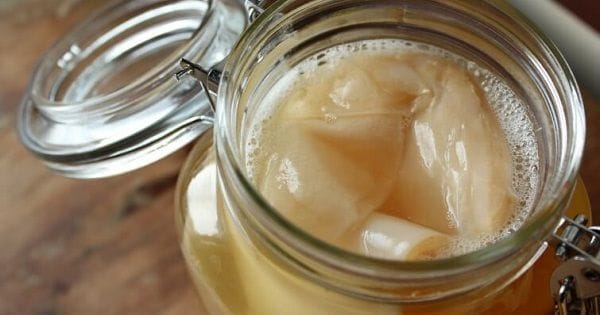

While the origins of kombucha are still unknown, the consensus indicates that it would have originated in Manchuria, China, where writings have been found mentioning the tea mushroom during the Tsin dynasty, around 206 BC.

Beer is a perfect example of what in anthropology is known as cultural convergence, a phenomenon in which civilizations separated by oceans and millennia arrived at the same technological solution without having influenced each other.
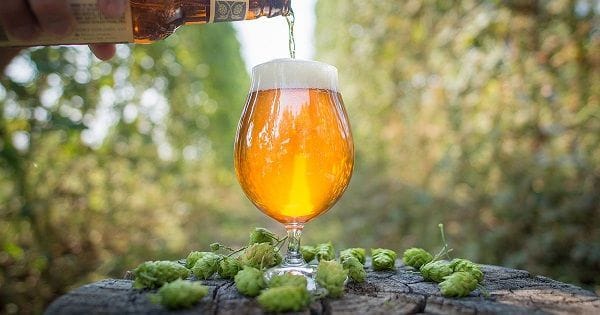
The idea was born with the help of social media in 2011, with Ashley Routson and Ryan Ross as its main promoters, quickly spreading globally as one of the most important beer style celebrations.
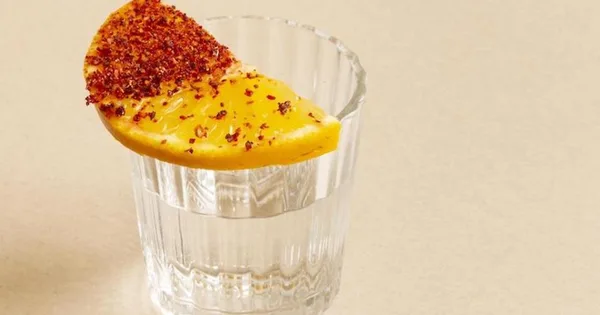
Jesús Sánchez from Conejo en la Luna restaurant in Teotihuacán shares four keys to dive into traditional mezcal without making beginner mistakes.
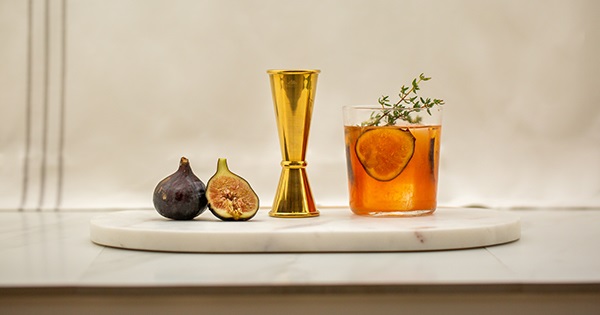
The history of the jigger constitutes the fundamental axis upon which the professionalization of modern mixology was built, transforming a craft based on empirical intuition into an exact technical discipline.

The Eleusinian Mysteries were annual celebrations that took place in the autumn, approximately twenty kilometers west of Athens, at a sanctuary dedicated to the goddesses Demeter and Persephone.

This standard is fundamental in sectors such as food, oenology, the brewing industry, and cosmetics, where the validity and reproducibility of results depend largely on the conditions in which they are conducted.

ISO 4120 is the international standard describing the methodology known as the triangle test, designed to determine whether or not a perceptible sensory difference exists between two products or variants of the same product.

A new Danish study introduces an unexpected factor for inducing controlled turbidity in beer: yeast RNA extracts capable of triggering extreme haze in crystal-clear lagers.
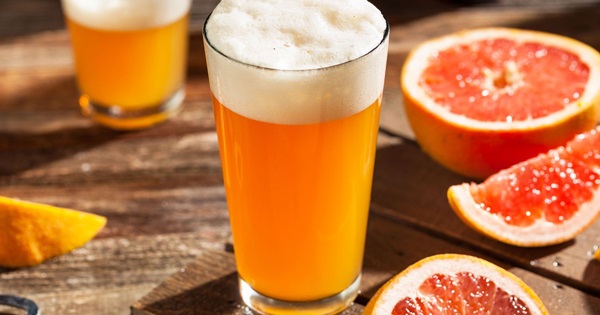
Compiled results demonstrate that incorporating fruit not only broadens sensory diversity but also contributes to the development of functional beverages with potentially positive impacts on human health.
Mouthfeel can be defined as the set of perceptions that do not come directly from taste nor solely from smell but from the physical, thermal, or chemical interaction of the beverage with the mouth, tongue, palate, and throat.
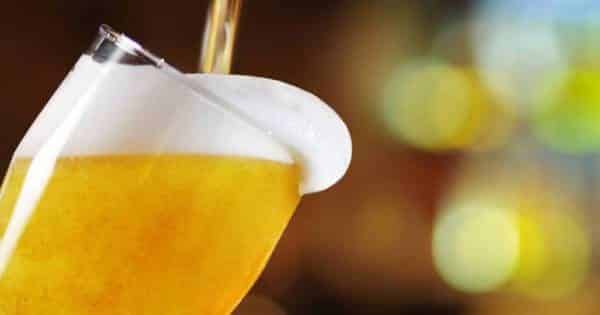
Beer foam is much more than a simple sensory ornament. Behind its light and ephemeral appearance lies a complex system that depends on a delicate interaction between chemical components, interfacial properties, and hydrodynamic dynamics.


