This post is also available in:
 Español
  Português
  Français
The story about the birth of the IPA style (India Pale Ale) is well known, and a quick summary tells us that it is the evolution of an English ale conditioned to survive a long journey to India.
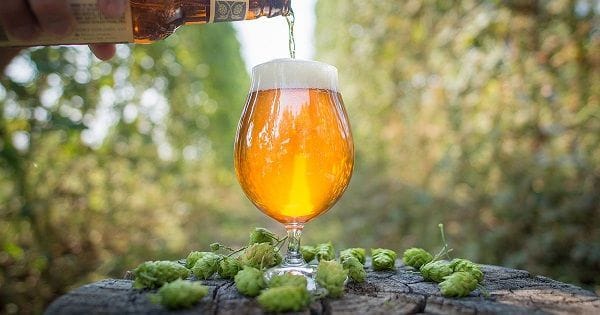
A journey from England across Africa, passing twice through the Equator line, which required keeping supplies fresh and controlling the thirst of British troops in the colony at the end of the 18th century.
What is the recipe for an English IPA? More alcohol and more hops.
Almost two centuries later, American brewers, with no need for transcontinental journeys, with refrigeration and pasteurization already invented—thanks precisely to beer—revived and adapted the idea.
What is the recipe for this new American IPA? Much more hops, American this time, with double and triple versions. The rest of the story is more or less well known.
What is IPA Day?
The idea was born through social media in 2011, with Ashley Routson and Ryan Ross as its main promoters, quickly spreading worldwide as one of the most important dates for celebrating a beer style.
Later, in Spanish-speaking countries, it was the Chilean beer portal Beer Geeks who in 2013 echoed this celebration for the first time and spread the word through the emerging craft beer movement that was beginning to develop in these countries.
Why do we celebrate IPA Day?
The celebration of IPA Day is a universal movement created to unite the voices of craft beer lovers, content creators, and brewers around the world.

In short, it is not an event created by the corporate marketing of a large multinational brewery, nor is it intended to serve any particular brand.
It is an opportunity for all players in the craft beer culture to join forces and advocate for it through education and global consumption awareness.
When is IPA Day 2026 celebrated?
As a general rule, the celebration date for IPA Day was set as the first Thursday of August each year, so this year the date to remember is Thursday, August 6.
Anyone can organize an event to celebrate IPA Day: breweries, beer gardens, brewpubs, restaurants, bars, beer shops, at home, or with your coworkers.
This coming Thursday, you can also share your photos, videos, articles, tasting notes, recipes, and thoughts about its different versions around the world.
Finally, you can tag your posts on social media such as TikTok, X, Instagram, Facebook, LinkedIn, Pinterest, or Reddit with the hashtag #IPAday and/or #IPAday2026.
India Pale Ale styles and substyles
In general, at least 10 different IPA substyles can be distinguished today, and here we share a brief detail of their main characteristics.

1. English IPA
A British pale ale, hoppy, moderately strong, well-attenuated, with a dry finish and a hoppy aroma and flavor. Classic British ingredients provide the distinctive flavor profile.
2. American IPA
A decidedly hoppy and bitter American Pale Ale, moderately strong, showcasing modern American hop varieties. The balance is toward hops, with a clean fermentation profile, dry finish, and supporting malt that allows a wide range of hop character to shine through.
3. Double IPA
A fairly strong, intensely hoppy pale ale, though without the complex maltiness, residual sweetness, and body of American barleywine. Heavily hopped, but clean, dry, and smooth. Drinkability is an important characteristic, as it should not be a heavy beer.
4. Belgian IPA
An IPA with fruitiness and spicy character derived from the use of Belgian yeast. Classic examples tend to be lighter in color and more attenuated, similar to a more hoppy tripel.
5. Black IPA
A beer with the dryness, hop balance, and flavor characteristics of an American IPA, only darker in color, but without strong roasted flavors. The flavor of darker malts is smooth and supportive, not a major flavor component.
6. Brown IPA
Like an American IPA, hoppy, bitter, and moderately strong, but with some caramel, chocolate, toffee, and/or dark fruit character from the malt. It retains the dry finish and lean body that makes IPAs so drinkable—slightly more flavorful and malty than an American IPA, without being sweet or heavy.
7. Red IPA
Like an American IPA, hoppy, bitter, and moderately strong, but with malt character including some caramel, toffee, and/or nutty notes. It retains the dry finish and body that makes IPAs so drinkable—slightly more flavorful and malty than an American IPA, without being sweet or heavy.
8. Rye IPA
A decidedly hoppy and bitter American Pale Ale, moderately strong, showcasing American hop varieties and rye malt. The balance is toward hops, with a clean fermentation profile and dry finish, with supporting malt that allows creative hop character to shine through.
9. White IPA
A fruity, spicy, and refreshing version of American IPA, but with a lighter color, less body, and offering a distinctive addition of yeasts and/or spices typical of a Belgian witbier.
10. Hazy IPA
An IPA with intense fruity flavors and aromas, a smooth body, and a fluid mouthfeel, often opaque, with substantial haze. This emphasis on late hops, especially dry hopping, with hops featuring tropical fruit qualities, gives it that specific “juicy” character for which the style is known.
Frequently Asked Questions (FAQ)
1. What role does the hop profile play in each substyle?
The choice of specific varieties defines aromatic expressions ranging from citrus notes to intense tropical fruits, resins, pine, or even floral and earthy touches. In a West Coast IPA, for example, hops with resinous and bitter profiles predominate, while in a New England IPA, varieties with essential oils that favor the juicy, hazy, and exuberant character are privileged.
2. How does alcohol content affect the balance of an IPA?
It influences the body and perception of residual sweetness that counteracts hop bitterness. A well-balanced IPA has enough malt base to support the hoppy profile without being astringent or unbalanced.
3. What modern techniques are used in IPA brewing?
Modern IPAs employ techniques such as cold dry hopping, the use of cryogenic hops, and late additions in the whirlpool to maximize aroma and flavor without adding excessive bitterness. This is key in styles like Hazy IPA or Cold IPA.
4. What is the impact of water on hop expression?
The mineral composition of the water, especially the sulfate-to-chloride ratio, affects the sharpness of bitterness and the perception of body. Waters with high sulfate content accentuate bitterness and dryness.
5. How does freshness influence the sensory experience?
IPAs are extremely sensitive to the passage of time and oxidation. Hops lose aromatic intensity quickly, so freshness is critical. An IPA should ideally be consumed within 30 to 45 days of packaging to fully enjoy its sensory attributes.