This post is also available in:
 Español
  Português
  Français
Hops play a vital role in today’s brewing industry, at every level, primarily due to their diverse organoleptic personalities.


Their profiles range from floral German noble hops to woody British strains, from spiced American varieties to citrusy hybrids with tropical fruit profiles that have been developed in the last decade.
In this article, we will highlight nine of the most influential hop varieties of all time used in beer brewing.
Hops as an Ingredient in Beer
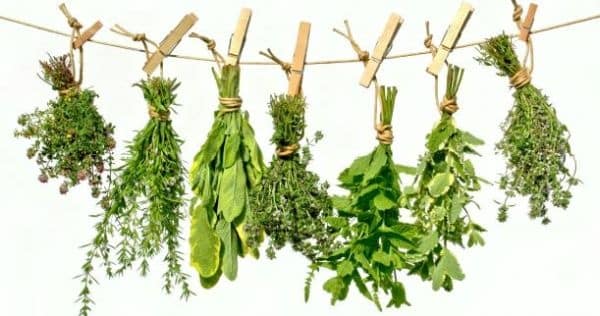
During the turbulent Middle Ages, brewers throughout Europe began replacing the bitter, pungent, and sometimes toxic blend of herbs and spices known as “gruit,” which had until then been used to brew beer, with hop flower cones.
Hop flowers had proven effective at protecting beer from the microbial demons involved in souring beer, while their aromatic and spiced bitterness provided an ideal counterweight to the sweetness of brewing malt.
Although the infamous King Henry VIII of England once referred to hops as “a wicked and pernicious weed,” most of England and all of Europe would soon fall in love with hop-based infusions.
Hop flowers sprout from the female plants of the perennial climbing bine Humulus lupulus, a close member of the cannabis family, with which they often share aroma and flavor characteristics, without containing THC.
Hops provide the “seasoning” that balances a beer by contributing a delicious bitterness when added to the boil during the brewing process.
Spiced, floral, and fruity aromas and flavors then emerge when hops are added near the end of the boil, while dry-hopped additions in fermenters or barrels impart an even deeper bouquet in a process known as dry hopping.
1. Cascade
In the 1970s, Sierra Nevada founder Ken Grossman dreamed of making a British-style pale ale brewed with American hops.
On a road trip to the Yakima region of Washington, Grossman convinced a hop grower to sell him a few pounds of whole cone samples that included the then little-appreciated Cascade variety.
From that point on, and after a multitude of test batches, the pioneering Sierra Nevada Pale Ale, centered on the Cascade hop, was first brewed in 1980 and went on sale in March 1981.
The American hop palate would never be the same, with Cascade offering succulent floral, citrus, pine, and grapefruit notes that were scarce in European hop varieties.
Craft beer as we know it today would not exist without the Cascade hop. Before it, American-profile hops were simply rejected by most brewers around the world.
The advent of the beer styles American Pale Ale and American IPA with Cascade hops changed this concept forever.
2. Centennial
Centennial hops arrived on the American brewing scene around 1990 and were developed from a cross of Fuggle, East Kent Golding, Brewers Gold, and Bavarian varieties.
As beer palates adapted to the new character imparted by the Cascade hop, American craft brewers soon began demanding greater intensity.
Known as “Super Cascade,” Centennial offers bold citrus notes backed by an impressive pine and floral character, with a vibrant bitterness.
In addition, the Centennial variety shows great structural firmness and high disease resistance, establishing itself as a pillar in the production of a wide range of beer styles.
3. Citra
When American craft brewers began asking for new hop varieties that could provide citrus, tropical, and exotic fruit profiles, Citra was the answer.
Citra came from a cross made in 1990 and was released in 2008 by Hop Breeding Company under the code HBC 394, bred from the Hallertau Mittelfruh, Tettnang, Brewer’s Gold, and East Kent Golding varieties and an unnamed wild American hop.
Citra today ranks first by planted acreage in the United States and is a variety with intense notes of mango, passion fruit, and lime. A revolution in flavor, aroma, and intensity.
4. Fuggle
From the late 19th century, when Richard Fuggle brought the variety to market in 1875, English pubs sold pints of Porter cask-conditioned with Fuggle hops, a hop with simple aromas and low bitterness levels.
By the mid-1900s, almost 80% of the hops grown and used in England had become Fuggle.

The subtle aromas and earthy flavors reminiscent of flowers and wood tannins create a perfect pairing for styles such as English Porter, Mild, and Bitter.
Fuggle has lost ground among modern craft brewers and still holds a revered place in the hearts of many classic British brewers.
For many, Fuggle is the Porter hop, in whose character lies the discreet balance that provides the subtle, bitter texture as a perfect counterpoint to roasted malt flavors.
5. Golding
Grown in East Kent, in southeastern England, since the 18th century, the Golding hop is the premium aroma hop of the English brewing tradition.
Golding offers a more complex floral and spiced aroma and flavor than Fuggle, and that is why it became the hop of choice for styles such as Ordinary, Best, and Strong Bitter in pubs across England.
East Kent Golding hops are considered by most classic UK brewers to be a premium variety and are also widely used across the Channel by Belgian brewers.
6. Hallertau
“Noble hops” are typically mild in bitterness and offer delicate, floral, spiced, and honeysuckle aromas and flavors that include European cultivars such as Hallertau, Tettnanger, Spalt, and Saaz.
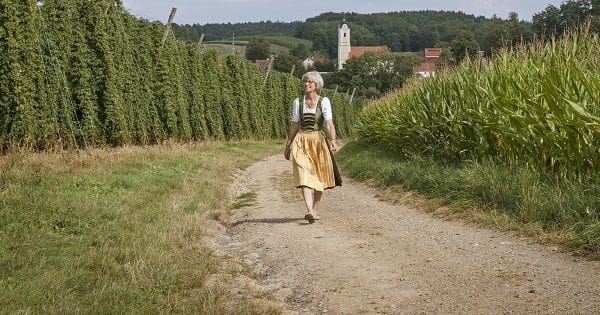
German Hallertau probably ranks as the leading noble hop and was responsible for many American soldiers stationed in Europe during the first half of the 20th century falling in love with German beers.
If you ever have the chance to enjoy a fresh pint of German Pilsner in Munich, you will discover the full potential of its intense and delicious character.
7. Mosaic
The development of craft beer has focused primarily on creativity and complexity, so it was only a matter of time before demand grew for an innovative hop with great depth and complexity.
That is how the Mosaic hop, released in 2012 by Hop Breeding Company under the code HBC 369 and an offspring of the Simcoe variety, with its diverse layers of berries, stone fruits, mango, rose petals, herbs, kiwi, pine, and even bubblegum, arrived to literally contribute a “mosaic” of aromas and flavors that pushed the boundaries of what hop growers had been able to achieve up to that point.
8. Nelson Sauvin
Originating from the Nelson region of New Zealand, the Nelson Sauvin hop was released in 2000 by HortResearch, now New Zealand’s Plant & Food Research, from the local Smoothcone variety.
The hop proved disease-resistant and perfect for the New Zealand climate and soil, with a distinguished wine-like character often compared to that of Sauvignon Blanc.
The oil profile of Nelson Sauvin includes an unusual collection of compounds presenting essences of honeydew honey, elderberries, passion fruit, grapefruit, apricot, white pepper, lychee, and green grapes.
Together with Mosaic, Nelson has become one of the most multifaceted and intriguing hops in the industry.
9. Saaz
Shortly after beer glassware design was introduced in Europe in the 19th century, a clear, golden, and transparent beer was born in the Czech city of Plzeň.
This was how the Bohemian Pilsner or Czech Pilsner came to dominate the world of modern beer with its Moravian malt notes balanced by the aroma, flavor, and bitterness of Saaz hops.
Such is its popularity that traveling through the Czech Republic in early summer often offers views of university students earning extra money cultivating young Saaz hop plants, training them with strings that climb poles about 5.5 meters (18 feet) high.
With hints of flowers, spices, herbs, and a gentle bitterness, Saaz is considered by many to be the most elegant and refined noble hop varietal, being fundamental in the production of most golden lagers brewed around the world.
| Hop | Characteristics | Beer Styles |
| Cascade | Floral, citrus, pine, and grapefruit notes. | American Pale Ale, American IPA |
| Centennial | Bold citrus notes, pine, and flowers with a vibrant bitterness. | American IPA, American Pale Ale |
| Citra | Mango, passion fruit, and lime notes; tropical and citrusy profile. | New England IPA, American IPA, Pale Ale |
| Fuggle | Earthy aromas, flowers, and wood tannins; low bitterness. | Porter, Mild, English Bitter |
| Golding | Complex floral and spiced aromas. | Ordinary Bitter, Best Bitter, Strong Bitter, Belgian Beers |
| Hallertau | Floral, spiced, honeysuckle aromas; soft bitterness. | German Pilsner, European Lagers |
| Mosaic | Complex layers of berries, stone fruits, mango, kiwi, pine, rose petals, and bubblegum. | New England IPA, American IPA, Specialty Ales |
| Nelson Sauvin | Sauvignon Blanc notes, honeydew honey, elderberries, passion fruit, grapefruit, apricot, lychee, and green grapes. | Specialty IPAs, Experimental Lagers |
| Saaz | Hints of flowers, spices, herbs; subtle and elegant bitterness. | Bohemian Pilsner, Golden Lagers |
What Each Variety Brings
Hops play a fundamental role in beer brewing, contributing not only bitterness but also a wide range of aromas and flavors that define the character of different beer styles.
The correct selection and combination of varieties allows brewers to experiment and create unique profiles that satisfy consumer preferences and highlight the creativity of the brewing craft.
Frequently Asked Questions (FAQ)
1. What are noble hops?
They are the classic European varieties with mild bitterness and delicate floral, spiced, and honeysuckle aromas. The four recognized ones are Hallertau, Tettnanger, and Spalt, from Germany, and Saaz, from the Czech Republic, and they underpin the profile of traditional European lagers.
2. Why did Cascade change American beer?
Because it brought floral, citrus, pine, and grapefruit notes that did not exist in European hops. Sierra Nevada Pale Ale, first brewed in 1980 and on sale since March 1981, put it at the center of the recipe and paved the way for the American Pale Ale and the American IPA.
3. How do Citra and Mosaic differ?
Citra, released in 2008, is defined by mango, passion fruit, and lime, and it is the hop with the most planted acreage in the United States. Mosaic, released in 2012 and a descendant of Simcoe, adds layers of berries, stone fruits, mango, kiwi, pine, and rose petals. Both come from Hop Breeding Company.
4. Which hop defines Czech Pilsner?
Saaz. Its hints of flowers, spices, and herbs and its gentle bitterness balance the Moravian malt of the Bohemian Pilsner born in Plzeň, and that is why it is considered the most elegant noble hop and the base of most golden lagers in the world.
5. What are the classic English hops and in which styles are they used?
Fuggle and Golding. Fuggle, earthy and low in bitterness, accompanies Porter, Mild, and Bitter, and came to account for almost 80% of the hops grown in England by the mid-20th century. Golding, floral and spiced, is the hop for Ordinary, Best, and Strong Bitter, and Belgian brewers use it too.

Recommended
- Orval: history and legend of the beer from the Golden Valley
- Gruit: the herb and spice blend before hops