This post is also available in:
 Español
  Português
  Français
In the world of beer, few terms evoke as much respect and admiration as “noble hops.” But what makes a hop noble? Its flavor, its history, or simply its reputation?

These hop varieties, originating from Central Europe, have been for centuries the heart of some of the most iconic and appreciated beers in the world.

Here we will explore their cultural legacy, the unique characteristics, and the role these hops play in the brewing of traditional and modern beers.
What are noble hops?
Noble hops are a group of hop varieties primarily grown in specific regions of Central Europe, such as Germany, the Czech Republic, and France.
These hops are characterized by their delicate flavor and aroma profile, floral and spicy, with subtle notes of herbs, wood, and fruits.
- Saaz (Czech Republic)
- Spalt Spalter (Germany)
- Tettnang Tettnanger (Germany)
- Hallertau Mittelfrüh (Germany)
- Hersbrucker Spät (Germany)
- Strisselspalt (France)
Unlike modern hops (sometimes also called New World hops), which often stand out for their intense tropical and citrus aromas, noble hops offer an elegance and complexity that makes them ideal for classic beer styles, such as lagers, pilsners, and top-fermented ales.
| Hop | Aroma/Profile | Uses | Characteristics |
| Saaz | Mild, spicy, herbal, slightly earthy. | Lager beers, Pilsner, and Czech styles | Low in alpha acids (3-6%), ideal for delicate flavors. |
| Spalt Spalter | Earthy, floral, slightly spicy. | Traditional lager beers | Excellent stability, alpha acids 2-5%. |
| Tettnang Tettnanger | Herbaceous, floral, slightly fruity. | German beers, light ales, and pilsner. | Similar to Saaz, but with a more floral touch. |
| Hallertau Mittelfrüh | Floral, spicy, slightly sweet. | Lager beers, Helles, Kölsch. | Balanced, subtle aroma, alpha acids 3-5%. |
| Hersbrucker Spät | Floral, slightly spicy, herbal. | Helles, Märzen, and traditional beers. | Complex and smooth profile, alpha acids 2-5%. |
| Strisselspalt | Floral, spicy, with citrus and herbal notes. | Lager beers, Belgian Ales, and traditional French styles. | Unique aroma, ideal for complex beers, alpha acids 3-6%. |
A centuries-old historical legacy
The history of noble hops dates back to the 14th century, when specific varieties began to be cultivated in regions with ideal soils and climates for hops.
The Žatec region, known in German as Saaz, was already famous for its hops in the 12th century.
In Germany, areas like Spalt and Tettnang developed their characteristic varieties during the Renaissance, while Hallertau consolidated itself as one of the main growing regions in the 16th century.
In the 19th century, with the rise of the Industrial Revolution and the advancement of brewing techniques, European brewers began to identify and select hop varieties that produced the most desirable flavors and aromas.
These varieties, known as “landrace hops,” were the result of centuries of natural selection and careful cultivation.
The term “noble” emerged in the 20th century, used to highlight the considered superior quality of these varieties.
Although there is no official scientific definition, the general consensus is that noble hops are those that combine a refined flavor profile, a mild bitterness, and a distinctive aroma.
Profile of noble hop varieties
What distinguishes noble hops is their ability to add complexity without overwhelming. Let’s delve below into the unique characteristics of each:
1. Saaz
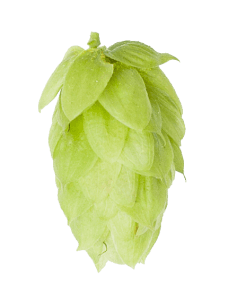
Cultivated in the Žatec region, this hop is essential in the creation of Bohemian Pilsners. Its aroma is spicy and herbal, with touches of lavender, cedar, and a slight smokiness.
Its low alpha-acid content (around 3-4%) makes it ideal for beers with a mild, balanced bitterness.
Historically, Saaz hops were so prized that Bohemian brewers paid high taxes to secure their supply.
2. Spalt Spalter
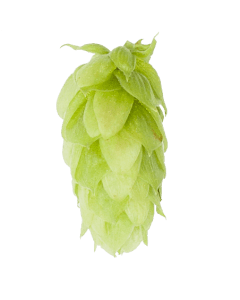
Originating from Spalt in Bavaria, this hop is known for its sweet, earthy aromas, with notes of vanilla, ripe banana, and tonka bean.

Its cultivation has been documented since the 15th century and it is considered one of the first hops to be protected by a designation of origin.
Its delicate profile makes it a favorite for Altbier and Kölsch style beers.
3. Tettnang Tettnanger
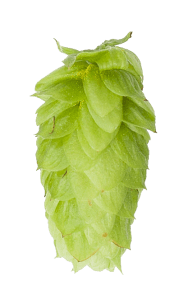
This hop, cultivated near Lake Constance, stands out for its flavors of gingerbread, almonds, and a fruity hint of blueberries.
Documented since the 18th century, Tettnanger is believed to have genetic links to Saaz, which explains their aromatic similarities. It is widely used in Bavarian lagers and wheat beers.
4. Hallertau Mittelfrüh
Considered the oldest of the German noble hops, Hallertau Mittelfrüh comes from the homonymous region in Bavaria.
Its aromas of licorice, hay, and berries, with a citrus touch of bergamot, are unmistakable.
It was the gold standard for lager beers in the 19th century, although its susceptibility to diseases has limited its cultivation in modern times.
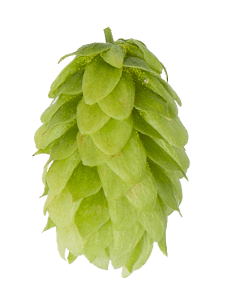
5. Hersbrucker Spät
Originating from the Hersbruck region, this hop is characterized by notes of pine needles, lavender, and black tea, with a citrus touch of lime.
It is a direct descendant of Hallertau Mittelfrüh and was developed as a more resistant alternative.

6. Strisselspalt
Cultivated in Alsace, Strisselspalt is known for its citrus and floral aromas, with notes of grapefruit, chamomile, and tea.
It was introduced in the 19th century and is considered a pillar of Alsatian beers. Its elegant profile makes it ideal for styles like bières de garde and saison.

The future of noble hops
In a world where climate change and diseases affect traditional crops, noble hops face significant challenges.
Their vulnerability has led scientists to work on creating hybrid varieties that maintain their sensory characteristics while improving their resistance.
Recent examples include Saphir, Opal, and Diamant hops, developed in Germany to offer profiles similar to nobles but with greater adaptability.
On the other hand, the growing demand for classic-style beers has revitalized interest in noble hops, encouraging conservation and sustainable cultivation projects in their regions of origin.
Initiatives like “Save the Noble Hops” seek to preserve these historical varieties for future generations of brewers and enthusiasts.
Frequently Asked Questions (FAQ)
1. What is the ideal IBU range for a beer with noble hops?
The ideal IBU range for beers that exclusively use noble hops commonly falls between 20 and 40 IBU. This is because these hops have a low alpha-acid content (generally 3% to 6%), providing a mild, clean, and elegant bitterness that complements, rather than dominates, the delicate profiles of the malts and the floral/spicy hop aroma. For classic styles like Czech Pilsner, the IBU approaches the upper limit, while for a German Helles it stays closer to the lower range.
2. How does the “terroir” of growing regions influence the final quality of the hop?
Terroir is fundamental and the key differentiating factor for noble hops, as it gives them their unique aromatic profiles. The mineral-rich soil and specific microclimate of regions like Žatec (Saaz) or Hallertau (Mittelfrüh) directly influence the composition of essential oils (such as myrcene, humulene, and caryophyllene). Specifically, the soil and climatic variation control the expression of compounds that provide the characteristic spicy, floral, and herbal aroma, creating a profile that is chemically reproducible but sensorially inimitable outside its area of origin.
3. What hybrid varieties are being developed to mimic noble hop profiles?
Scientists, mainly in Germany and the Czech Republic, are developing hybrid varieties to replicate aromatic nobility while improving resistance to diseases and climate. Notable examples include Saphir (similar to Hallertau Mittelfrüh, with better resistance), Opal (a Hallertau cross with a spicy and citrus profile), and Czech Sládek (a flavor hop with Saaz lineage).
References
- Hieronymus, S. For the Love of Hops: The Practical Guide to Aroma, Bitterness, and the Culture of Hops. Brewers Publications. www.brewerspublications.com
- Almaguer, C., Schönberger, C., Gastl, M., Arendt, E. K., & Becker, T. (2014). Humulus lupulus – A story that begs to be told. A review. Journal of the Institute of Brewing, 120(4), 289-314. onlinelibrary.wiley.com
- Kunze, W.. Technology Brewing & Malting. 6th Edition. VLB Berlin. vlb-books.myshopify.com
- Moir, M. (2000). Hops—A Millennium Review. Journal of the American Society of Brewing Chemists, 58(4), 131-146. www.tandfonline.com