Beer brewing, which has historically used hop flowers to achieve its preservation balance and bitterness, is now undergoing a structural transformation driven by the science of alternative ingredients.
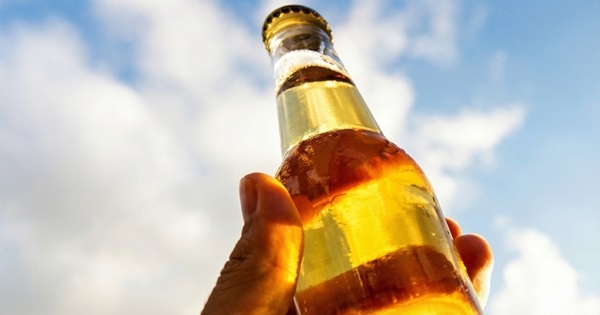
This phenomenon, known as ‘lightstruck flavor’ or skunky taste, occurs when beer is exposed to visible or ultraviolet light, significantly compromising product quality.
The term “hop burps” is commonly used to describe a peculiar phenomenon of rapid and frequent burps experienced after consuming beers with a high hop content.
Hops are vital to the brewing industry due to their diverse organoleptic personalities: German noble hops, woody British strains, spiced American varieties, and hybrids with tropical fruit profiles.
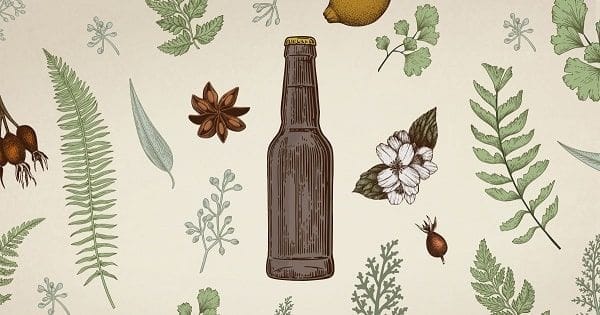
Its composition was subject to local variations and in many cases a jealously guarded secret, but the general consensus reveals that the gruit blend is historically linked to 3 herbs.
When we talk about craft beer, there is an infinite array of aromas and flavors to enjoy, yet the same words are used far too often without distinction.
Nowadays, hops are a primary ingredient in beer brewing, but this wasn’t always the case. Throughout history, they were just one of many different herbs and spices used to flavor and preserve beer.
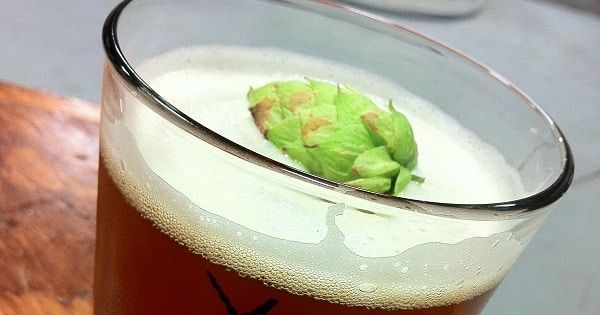
Dry hopping, also known as dry hop, is a technique used in beer brewing that aims to increase the aromas of a beer, which consists of adding dried hops to the finished beer after fermentation.
Why is a slice of lemon placed on the neck of clear glass beer bottles and not on others? It is a mystery that has never really been clear until now.
Fresh hops generally refer to hops that are used immediately after drying, while wet hops never reach this point in the process.
The acronym IBU (International Bitterness Units) corresponds to the international measurement unit of bitterness and represents the iso-alpha-acids dissolved in beer, where each IBU is equivalent to one milligram of iso-alpha-acid per liter of beer.