This post is also available in:
 Español
  Português
Nowadays, hops are a primary ingredient in beer brewing, but this wasn’t always the case. Throughout history, they were just one of many different herbs and spices used to flavor and preserve beer.
Hops gained popularity because of their versatility—they can be used for bitterness, flavor, or aroma, depending on when they’re added to the boil—and they also help preserve the finished beer.
Use of Herbs and Spices
Although hops have been used in beer brewing for thousands of years, they weren’t common in European beers until the time of Charlemagne (around 800 AD) and didn’t appear in English beers until the 1300s.
In fact, the term “ale” originally referred only to beer brewed without hops.
King Henry VIII of England even banned the use of hops to protect the revenue from more lucrative brewing ingredients like spices and other herbs.
But even without laws, the English preferred their traditional bittering herbs, such as in an old spiced herbal dark ale recipe called “Mum.”
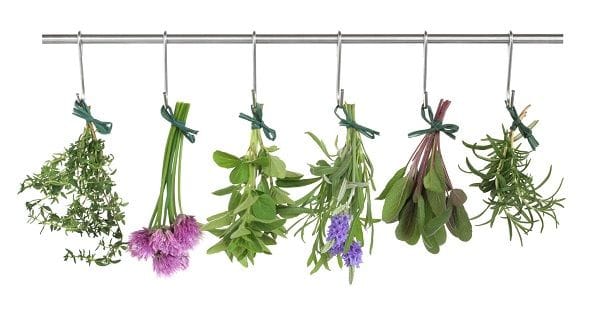
These herbs were often added as a “beer slurry,” a mixture of herbs like burnet, betony, thyme, marjoram, elderflowers, rosemary, sage, chamomile, and mint.
Typically, the herbs were added to the barrel after fermentation was complete, much like dry hopping today. Sometimes, the herbs were steeped in the beer just before drinking.
Herbal beer is an ancient craft now being rediscovered by many brewers, though it wasn’t long ago that plant-based beers were still common and popular.
According to Michael Jackson’s book, “Beer Companion,” many major British breweries stopped using ginger and licorice in ales just 60 years ago.
The Belgians, on the other hand, never abandoned herbs as a key ingredient in their illustrious beers—a regional tradition dating back hundreds of years.
Many common herbs are available fresh or dried, whether in supermarkets, homebrewing supply stores, or health food shops.
However, some herbs are harder to find. For some, the only option is to buy seeds and grow the plants yourself.
Dried and fresh herbs have different characteristics, and it’s useful to be able to use both in brewing.
There’s no doubt that homegrown herbs—even if dried—will be better, fresher, and more aromatic than anything you can buy.
Our English Mumme brewers use Sassafras and Ginger, Walnut Hulls, Elecampane Root, Watercress, Betony, Marjoram, Mother of Thyme, Pennyroyal, a handful each; of Blessed Thistle a handful, of Barberries bruised half an ounce, of Cardamoms bruised an ounce and a half. All these are to be put in when the liquor has wrought a while…
The Receipt Book, by John Nott, 1723
Aroma and Flavor Characteristics
Herbs used in brewing have distinct characteristics, just like different hop varieties.
Most herbs traditionally associated with brewing are bitter. Others are more flavorful or aromatic.
Which herb to use and when depends on its qualities and the type of beer you want to brew.
Some herbs serve multiple purposes, though none are as versatile as hops. Beer with no hop character at all is an acquired taste.
Typically, at least 14 grams of hops are added per 20-liter batch, even for heavily herbal beers.

Bittering Herbs and Spices
Bitter herbs include horehound, sage, dandelion, St. John’s wort, milk thistle, nettle, yarrow, gentian, Roman sage, and betony.
They’re added at the beginning of the boil, either alongside or instead of bittering hops.
The bitterness they impart doesn’t necessarily resemble hop bitterness, and some may add unusual or medicinal flavors.
So it’s best to start slow, using half the amount of dried herbs compared to fresh ones. Roots are the exception—they should always be dried before use.
Flavoring Herbs and Spices
Herbs that can be used for flavoring include juniper, pine, rosemary, hyssop, borage, ginger, oregano, mints, wild bergamot, lemon balm, sweet woodruff, marjoram, elecampane, licorice, and thyme.
Most of these are strong-flavored, so unlike aromatic hops, they should be added near the start of the boil.
More delicate herbs, like borage and lemon balm, can be added in the last 15 minutes.
Some flavoring herbs also have potent aromas and serve a dual purpose when added to beer.
Aromatic Herbs and Spices
Rosemary, hyssop, lavender, chamomile, lemon balm, bergamot, elderflowers, and many other herbs can be used to add aroma to beer.
They should only be added dry in the last few minutes of the boil, just like aroma hops.
Any aromatic herb can also be used for dry hopping—rosemary, for example, is wonderfully fragrant and a great choice for this.
A few sprigs added to the fermenter for a few days or a week before bottling will give the beer a delicate piney aroma.
Elderflowers are excellent for dry hopping in mead as well as beer.
Loose dried herbs can be placed in a dry-hopping bag to prevent them from dispersing into the beer.
Don’t worry about infecting your beer with dried herbs—the microorganisms living on them can’t survive in the acidic, alcoholic environment of finished beer.
Frequently Asked Questions (FAQ)
1. What is the difference between “gruit” and modern craft beer?
Gruit is the historical term for the mixture of herbs (such as yarrow, wormwood, and heather) used to flavor and preserve beer before hops became standard. Unlike modern beer, which relies on hops for bitterness and microbiological stability, gruit-style beers offer earthier, more herbal profiles and sometimes tonic or medicinal effects that hops do not possess.
2. How do you calculate the bitterness equivalence between herbs and hops?
There is no exact IBU (International Bitterness Units) formula for herbs, as their bitterness comes from oils and resins different from the alpha acids in hops. However, a general rule for brewers is to start by substituting bittering hops with a 1:2 ratio (half the weight in dried herbs compared to fresh ones) and conduct prior infusion tests to gauge the flavor’s potency before adding it to the main boil.
3. Which herbs are best for substituting the citrus aroma of modern hops?
If you’re looking to replicate the citrus notes of hops like Citra or Centennial using botanicals, the best options are lemon verbena, lemon balm, and lemon mint. These should be added in the last 5 to 10 minutes of the boil or using the botanical-hopping (cold infusion) technique to preserve the volatile essential oils that provide that citrus freshness.
4. Is it safe to use any garden herb in brewing beer?
Not all plants are suitable for human consumption or prolonged boiling. It is essential to use only food-grade herbs and avoid those containing high levels of toxic alkaloids or that haven’t been correctly identified. Additionally, some roots (like licorice root) can affect foam retention due to their natural oils, so they should be used in moderation.
5. How does the use of spices and herbs affect beer clarity?
The use of certain botanicals, especially those with high tannin or polyphenol content (like sage or rosemary), can increase beer haze. To maintain clarity, it is recommended to use fine muslin bags for the herbs and apply clarifying agents like Irish Moss during the boil or perform extra filtration after chilling the wort.