Non-conventional yeasts that inhabit fruit skins, wooden barrels, and the air of cellars are ceasing to be a curiosity to become the most powerful tool for beer innovation in the 21st century.


Non-conventional yeasts that inhabit fruit skins, wooden barrels, and the air of cellars are ceasing to be a curiosity to become the most powerful tool for beer innovation in the 21st century.

This phenomenon, known as ‘lightstruck flavor’ or skunky taste, occurs when beer is exposed to visible or ultraviolet light, significantly compromising product quality.

The organoleptic perception of beer constitutes a complex neurophysiological process that is significantly altered by hypobaric conditions, such as those experienced during commercial flights or in high mountain regions.

Historical records place the origin of kombucha in northeastern China, around 220 BC, where it was prepared as a medicinal drink known as hóngchájūn (red tea fungus, equivalent to black tea in the West).
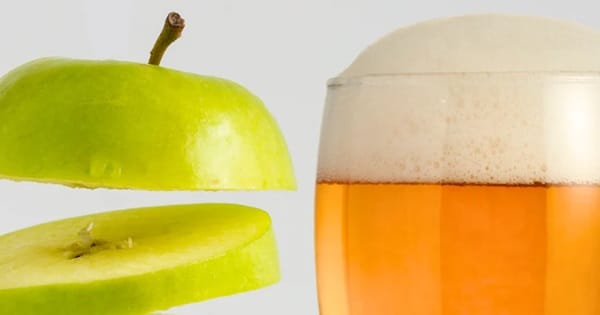
Acetaldehyde is one of the most relevant chemical compounds in beer production, both for its impact on the sensory profile and for its role as an indicator of fermentation quality.

The human sensory system, though sophisticated, has clear limits. Prolonged exposure to certain aromatic and gustatory stimuli can lead to sensory fatigue or adaptation.
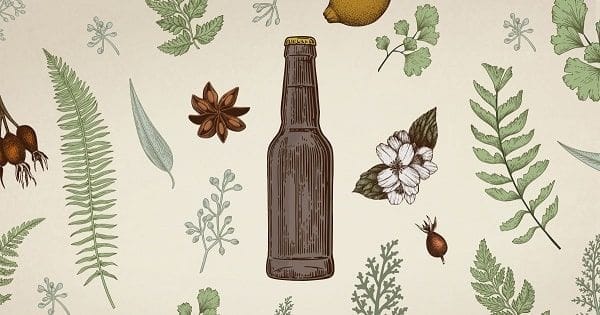
Its composition was subject to local variations and in many cases a jealously guarded secret, but the general consensus reveals that the gruit blend is historically linked to 3 herbs.

Whether you’re a beginner homebrewer or an experienced one with years of practice and hundreds of batches under your belt, the fundamentals always remain the same.

Identifying the various aromas and flavors present in beer not only enhances the drinking experience but also provides a deeper understanding of the brewing processes and the unique characteristics of each beer style.

Excerpt: Beer tasting is not strictly a professional exercise or reserved only for competitions, but an activity that can be everyday, and with study, training, and practice, anyone can perfect it.

Discover the versatility of beer and food pairing, where the wide range of beer styles fuses with a great variety of dishes, offering a unique and unforgettable gastronomic experience.
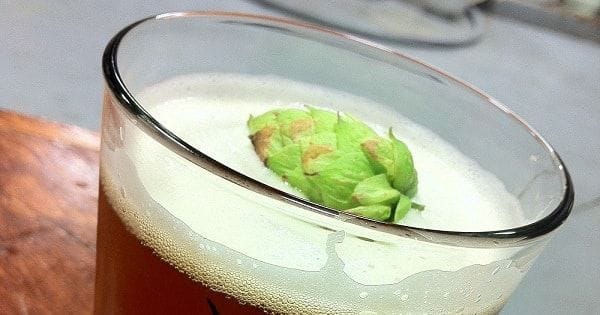
Bitterness is an acquired taste, clearly evident when we see someone discovering the world of craft beer, but there is a good evolutionary reason for it: bitterness is a signal to consider in potentially poisonous compounds.


