This post is also available in:
 Español
  Português
Whether you’re a beginner homebrewer or one with years of experience and hundreds of batches under your belt, the fundamentals of brewing always remain the same.

Homebrewing is a passion that combines art and science, allowing brewers to create their own fermented beverage with specific ingredients and techniques.

That’s why we’re sharing with you the 10 commandments of homebrewing as described by Paul Burge from Australia’s Coopers Brewery that you should never forget.
I. Thou Shalt Clean and Sanitize
Generally, it’s nearly impossible for homebrewers to create a perfectly sterile environment for brewing, though unwanted microorganisms can be minimized by following proper cleaning and sanitation procedures.
This involves disassembling, thoroughly cleaning all components, soaking them in sanitizer (sodium percarbonate or sodium hypochlorite), and giving them a good rinse afterward.
This will keep contamination under control, minimizing the risk of spoilage in your beer.
II. Thou Shalt Use Fresh Ingredients
Many – though not all – of the ingredients needed for brewing are at their best when fresh.
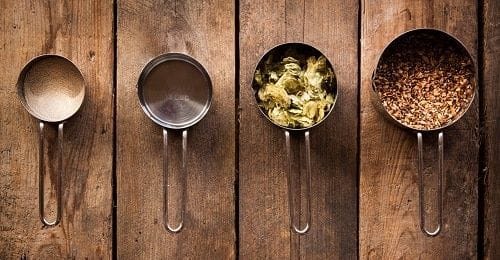
When fresh ingredients aren’t available, select ingredients that have been properly stored in cool, dry places, or that have been refrigerated when appropriate.
III. Thou Shalt Pitch Healthy Yeast
Brewer’s yeast is a living organism with the most important mission of all: creating beer.
A healthy population of yeast cells introduced initially to the wort will promote robust fermentation and greatly reduce the risk of spoilage.
IV. Thou Shalt Ferment at Proper Temperature
Yeast can survive and ferment beer depending on its variety’s ideal temperature range, up to 12°C for lagers and up to 22°C for ales.
Beer produced from fermentations at higher temperatures may develop various unpleasant flavors and aromas that could diminish the final product’s quality.

The best results are generally achieved by fermenting at the lower end of the recommended temperature range.
V. Thou Shalt Reach Final Gravity
It’s important to ensure the yeast has consumed all fermentable sugars in the wort during fermentation.
When bottling, a small amount of sugar is added (typically 8 g/l) to achieve the correct CO2 level (carbonation).
Any remaining fermentable sugars when bottling due to not reaching final gravity could add excessive CO2 levels, resulting in foamy beer and bottles that erupt when opened.
VI. Thou Shalt Taste Before Bottling
If it smells like beer and tastes like beer, it must be beer. Brewing is an art that appeals to the senses, so it’s important to smell and taste at every opportunity.

This practice saves time and effort, as if you detect your beer smells like vinegar, medicine, or almond extract, for example, it has likely spoiled and the process should be halted.
VII. Thou Shalt Use Reusable Bottles
Today there are many types of commercial beer bottles in circulation, but not all are designed for reuse.
You should be able to find supplies of durable, reusable bottles in various sizes at specialty stores or even on Amazon.
VIII. Thou Shalt Keep Organized Records
There are many variables in the beer-making process and an average timeframe of at least a couple weeks between brewing and the final product.
Imagine the frustration of tasting one of the best beers you’ve ever made and realizing there’s little chance of reproducing it because you didn’t keep brewing records!
IX. Thou Shalt Be Patient During Fermentation
Homebrewed beer develops in the bottle. Sure, the beer can be consumed as soon as secondary fermentation produces enough carbonation, but the bubbles will still be quite coarse.
Aging beer in the bottle allows bubbles to become finer (creating creamier, more persistent foam) and flavors/aromas to develop as sediment compacts.
X. Thou Shalt Use Proper, Clean Glassware
A clean, proper glass for each beer helps it pour better, look better, and be enjoyed better, forming a good, lasting head of foam.

Recommended
- ABV vs. ABW in Beer: What’s the Difference in Measuring Alcohol Content?
- At 92 Years Old, Raphael Mechoulam Passes Away – The Scientist Who Discovered THC