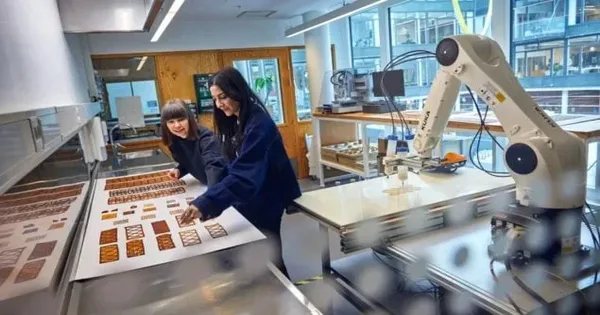
A team at Chalmers University of Technology has developed a biodegradable construction material made from baker’s yeast, algae alginate, wood cellulose, and vegetable glycerol—3D printable at room temperature with no heating, no support structures, and no waste.
A new Danish study introduces an unexpected factor for inducing controlled turbidity in beer: yeast RNA extracts capable of triggering extreme haze in crystal-clear lagers.
Whether you’re a beginner homebrewer or an experienced one with years of practice and hundreds of batches under your belt, the fundamentals always remain the same.
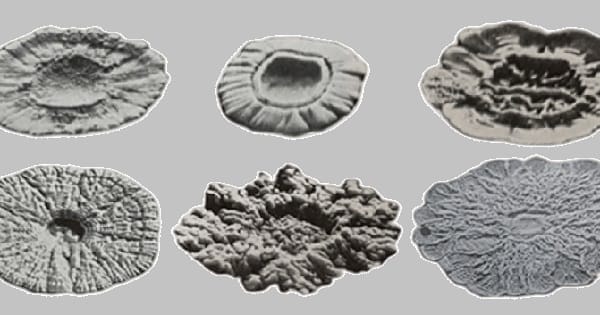
A characteristic feature of beer history is that for almost its entire existence, it was produced with Ale yeast, until the early 20th century when brewing with Lager yeast was massively introduced.
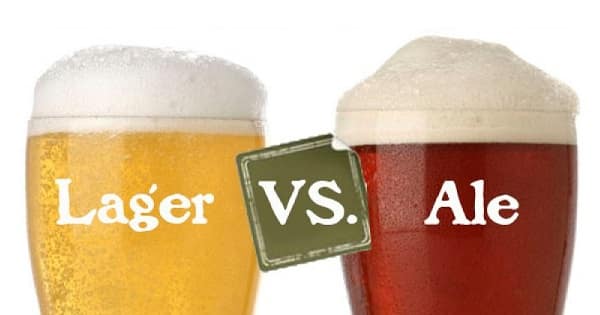
For the average beer consumer, the difference between Ale and Lager usually comes down to appearance, aromas and flavors, where the former tend to be darker and fruitier, while the latter are usually clearer and have cleaner flavors.