
This post is also available in:
 Español
  Português
  Français
Root beer is a carbonated soft drink born in North America and flavored with roots, barks and spices such as sassafras, sarsaparilla, wintergreen and vanilla. The versions sold in supermarkets today contain no alcohol, and only the traditional recipe fermented with yeast reached an alcohol content of 2% or less.
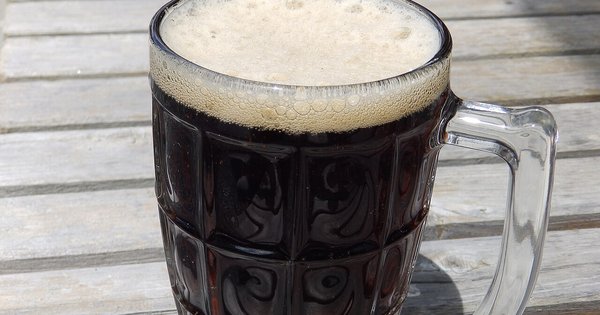
In Mexico it is a standard soft drink, sold as “cerveza de raíz” under brands such as Caballitos or A&W, and in the United States it has been a soda fountain classic since the nineteenth century. Its name puzzles anyone tasting it for the first time, because it contains neither barley nor hops and its flavor resembles no lager. To understand why it is called beer, we need to go back to the homemade fermented drinks of the colonial era.
Why Is Root Beer Called Beer if It Has No Alcohol?
In eighteenth and nineteenth century North America, the word beer covered a broad family of low alcohol fermented drinks, known as small beers, which were brewed at home with whatever the surroundings offered. Roots, barks, molasses and yeast were boiled and fermented for a few days to obtain a foamy, slightly alcoholic beverage. According to the Wikipedia entry on root beer, that recipe produced a drink with 2% alcohol or less, and it could be modified to make stronger versions known today as hard root beer.
When the industry began carbonating the drink artificially, fermentation was no longer needed and alcohol disappeared from the commercial formula. The debate echoes the one surrounding dealcoholized beers, which we explored when asking whether non-alcoholic beer is technically beer. For root beer the answer is simpler, because it was never a malt beer and its name reflects a linguistic habit rather than a brewing technique.
Charles Hires and the 1876 Philadelphia Centennial Exposition
The leap from homemade recipe to industrial product is credited to Charles Elmer Hires, a Philadelphia pharmacist. The official story says he tasted the drink on his honeymoon in 1875, although the Encyclopedia of Greater Philadelphia notes that the exact time and place of the discovery are uncertain. By 1876, according to the history of the Hires brand, the pharmacist was already selling packets of powdered concentrate for 25 cents, each yielding five gallons of drink, and marketing them as an extract of sixteen wild roots and berries.
His great showcase was the 1876 Centennial Exposition in Philadelphia, where he gave away glasses to visitors and sold his packets. The Pennsylvania Center for the Book recalls that Hires promoted it as a temperance drink, at the height of the movement against alcohol consumption in the United States. The strategy presented it as a respectable alternative for those giving up whiskey and beer, an idea that non-alcoholic beers take up again today, as shown by the story of Spain’s first non-alcoholic beer.
Other brands followed the same path. Barq’s went on sale in 1898, and in 1919 Roy W. Allen opened a stand in Lodi, California, selling root beer for five cents during a parade honoring soldiers returning from World War I. Allen partnered with Frank Wright in 1922, and their initials gave the name to A&W, one of the first franchised restaurant chains in the United States.
Root Beer Ingredients, From Sassafras to Vanilla
The flavor of root beer comes from a blend of botanicals that varies by brand. Wikipedia lists among the usual flavorings vanilla, caramel, wintergreen, black cherry bark, licorice root, sarsaparilla root, nutmeg, anise, molasses, cinnamon, sweet birch and honey. For more than a century the star ingredient was sassafras, a North American tree whose root and bark bring minty, spicy and slightly aniseed notes.
The use of roots and barks relates root beer to homemade drinks flavored with local plants, a practice that in Europe had shaped beer before hops became widespread. That same repertoire of botanicals appears in our overview of herbs and spices in brewing beyond hops, where sassafras is listed among the historical ingredients.
It is worth distinguishing it from two close relatives. Sarsaparilla is made mainly from the root of the plant that gives it its name, and birch beer takes its character from birch. As for caffeine, Wikipedia notes that most major brands contain none and that Barq’s is the exception, with about 1.8 milligrams per fluid ounce.
Safrole and the 1960 FDA Ban
The classic recipe changed in 1960, when the United States Food and Drug Administration (FDA) banned safrole in mass produced foods and drugs. Safrole is the aromatic oil found in sassafras root and bark, responsible for much of the drink’s original flavor. The decision came after laboratory rats exposed to high doses of sassafras oil developed liver damage and tumors, as summarized by McGill University’s Office for Science and Society.

Since then the industry has replaced the ingredient with artificial flavorings or safrole free sassafras extracts. The ban was based on high doses given to animals, and safrole is also present in other foods such as nutmeg. For homemade preparations, the prudent choice is to avoid sassafras root and use commercial safrole free extracts.
Root Beer in Mexico, From Caballitos to Tonicol
In Mexico root beer is part of the regular soft drink lineup. Caballitos, one of the main brands of Embotelladora AGA, produces a root beer flavored soda in Jalisco that is sold in chains across the country. Tonicol, which originated in El Rosario, Sinaloa, is sold mainly in health food stores, according to La Silla Rota. A&W rounds out the offer as the most recognizable American brand.
Familiarity with the product does not prevent two common confusions. The first is associating it with malta, a non-alcoholic drink made from malted barley, such as Pony Malta, which has nothing to do with roots or sassafras. The second is believing that Dr Pepper is a root beer. Dr Pepper is a soft drink with its own flavor formula and belongs to a different category.
Root Beer Float, Hard Root Beer and How to Make It at Home
The most famous way to enjoy root beer is the root beer float, which the legend of its origin calls a black cow, combining the soda with a scoop of vanilla ice cream. A popular legend credits its invention to Frank J. Wisner in Cripple Creek, Colorado, in 1893. History Colorado reviewed census records, newspapers and period archives without finding evidence that Wisner lived in Colorado or owned a brewery there, as reported by the Colorado Springs Gazette in 2025.
Root beer has also returned to alcoholic territory. Not Your Father’s Root Beer, from Small Town Brewery, is a 5.9% ABV spiced ale with notes of vanilla and honey that launched in Illinois in 2012. In 2015 the brand partnered with Pabst Brewing Company for national distribution, as reported by Brewbound.
Making root beer at home is possible with a safrole free commercial extract, water, sugar or molasses and a small amount of baking or champagne yeast to carbonate in the bottle. The mixture is bottled, rests for one or two days at room temperature until it builds carbonation and then goes into the refrigerator to stop fermentation. Timing is key, because excessive fermentation creates too much pressure and can break glass bottles. The process is very similar to our traditional homemade ginger beer recipe (in Spanish) and to homemade sodas (in Spanish) already published on The Beer Times.
Frequently Asked Questions (FAQ)
1. Does root beer contain alcohol?
Commercial root beer contains no alcohol, because it is carbonated artificially and not fermented. The traditional recipe fermented with yeast reached 2% alcohol or less. There are also alcoholic versions called hard root beer, such as Not Your Father’s Root Beer, at 5.9% ABV.
2. What does root beer taste like?
It has a sweet and spicy flavor, with notes of vanilla, licorice and anise and a minty background reminiscent of wintergreen. The profile depends on the brand, because each producer uses a different blend of roots, barks and spices.
3. Is root beer the same as malta?
No. Malta is a drink made from malted barley. Root beer is flavored with roots, barks and spices such as sassafras and sarsaparilla. Both share a dark color and the absence of alcohol, and that is where the similarities end.
4. Is Dr Pepper a root beer?
No. Dr Pepper has its own flavor formula and is not classified as root beer. The confusion arises because both are dark American soft drinks with spicy notes.
5. Why was the safrole in sassafras banned in root beer?
In 1960 the FDA banned safrole, the aromatic oil in sassafras, in mass produced foods, after studies on rats exposed to high doses showed liver damage and tumors. Since then brands have used artificial flavorings or safrole free sassafras extracts.
Recommended
- Is Non-Alcoholic Beer Technically Beer? An Analysis From Multiple Perspectives
- Herbs and Spices in Brewing, Exploring Flavors Beyond Hops