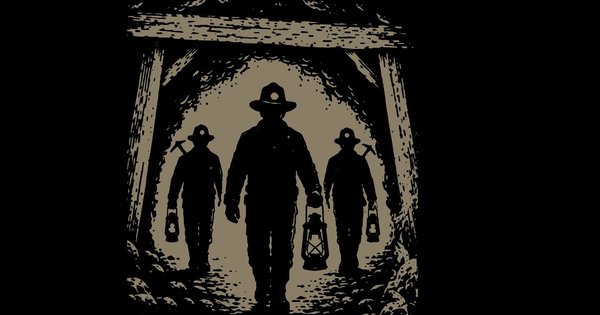
The Chilean brewery Caurhop launched Chañarcillo Bass Porter, a recreation of the beer consumed by workers at the legendary Chañarcillo mine during the peak of Atacama mining in the 19th century.
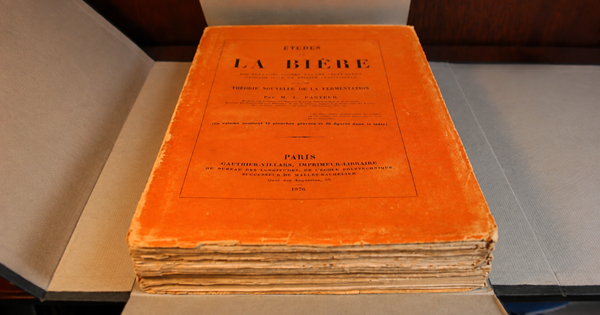
Études sur la Bière marked the point of no return; beer ceased to be a product of seasonality and luck to become one of the first great victories of biotechnology.
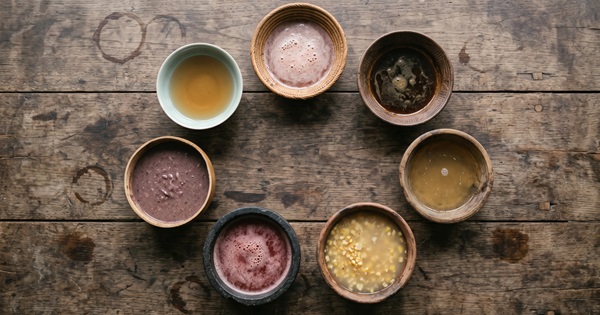
For millennia, human saliva was the most effective enzyme for creating fermentable sugars as an intimate biochemical reaction that defined the history of fermentation long before agriculture.
Beer is a perfect example of what in anthropology is known as cultural convergence, a phenomenon in which civilizations separated by oceans and millennia arrived at the same technological solution without having influenced each other.
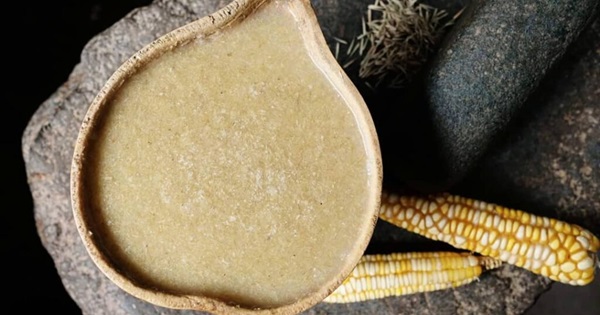
Tesgüino is a corn beer produced by the Rarámuri in the Sierra Tarahumara, Chihuahua, which still remains integrated into their labor exchange systems, ritual organization, and identity reproduction.
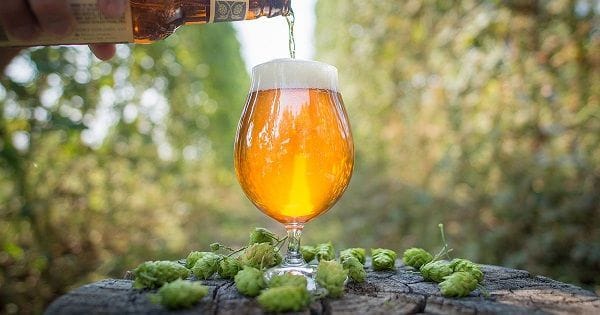
The idea was born with the help of social media in 2011, with Ashley Routson and Ryan Ross as its main promoters, quickly spreading globally as one of the most important beer style celebrations.
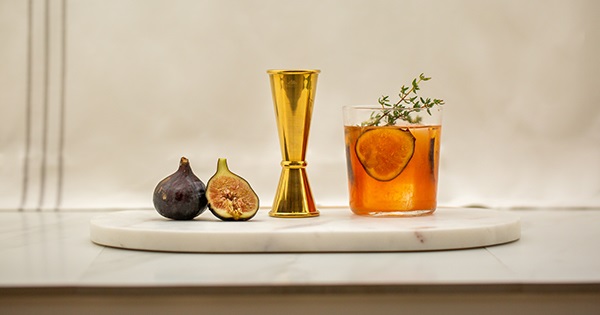
The history of the jigger constitutes the fundamental axis upon which the professionalization of modern mixology was built, transforming a craft based on empirical intuition into an exact technical discipline.
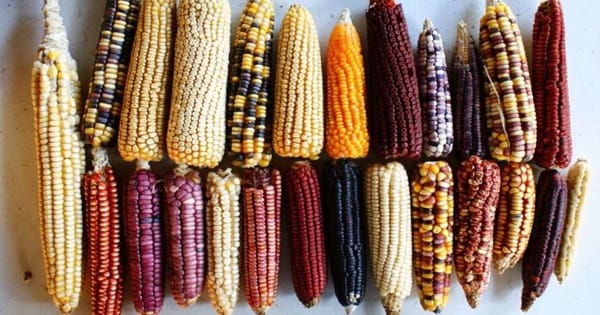
Corn was being fermented in America thousands of years before European barley arrived; later condemned by the American craft movement under an imported purity dogma, today it reclaims its place as a terroir ingredient.
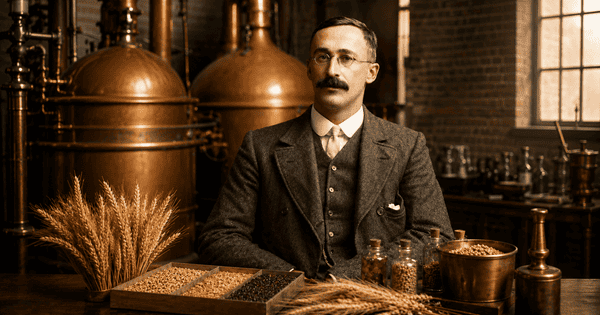
The history of science is filled with characters who worked in the shadows, far from the academic spotlight, but whose contributions ended up transforming entire disciplines. William Sealy Gosset is one such case.
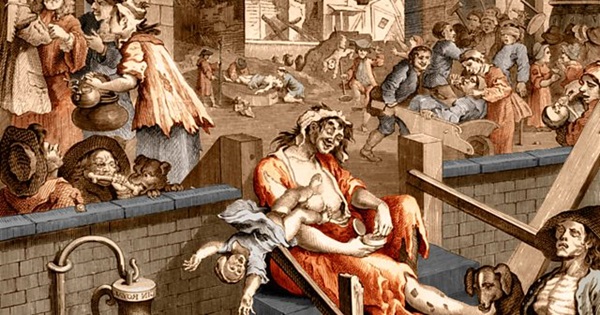
At the beginning of the 18th century, London was not the refined capital that Victorian literature would later suggest; it was a crowded, hungry, growing metropolis, the setting for what historians call the ‘gin craze’.
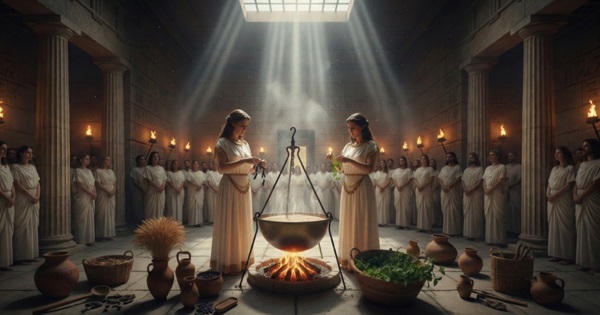
The Eleusinian Mysteries were annual celebrations that took place in the autumn, approximately twenty kilometers west of Athens, at a sanctuary dedicated to the goddesses Demeter and Persephone.
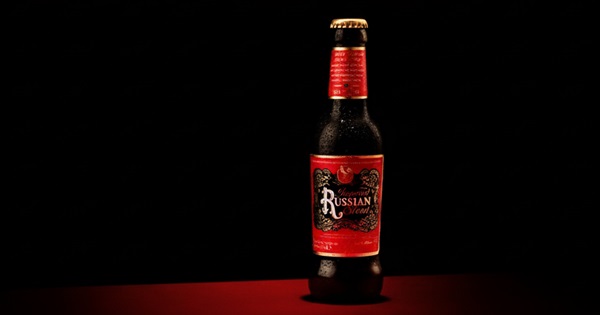
This version, especially the one produced in the 1970s–1990s, became the last direct commercial survivor of the original lineage of 18th-century London Imperial Stouts.