Root beer is a soft drink made with roots, barks and spices. Learn about its origin, its ingredients, why it is called beer and whether it contains alcohol.
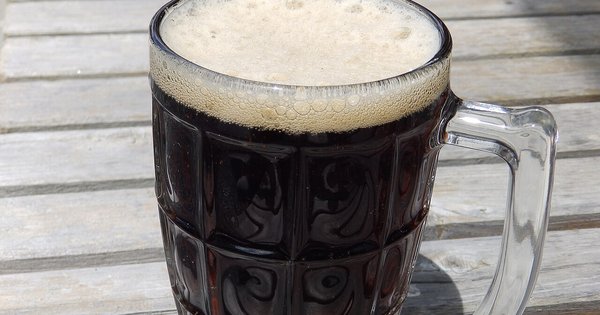

Root beer is a soft drink made with roots, barks and spices. Learn about its origin, its ingredients, why it is called beer and whether it contains alcohol.

The Chilean brewery Caurhop launched Chañarcillo Bass Porter, a recreation of the beer consumed by workers at the legendary Chañarcillo mine during the peak of Atacama mining in the 19th century.
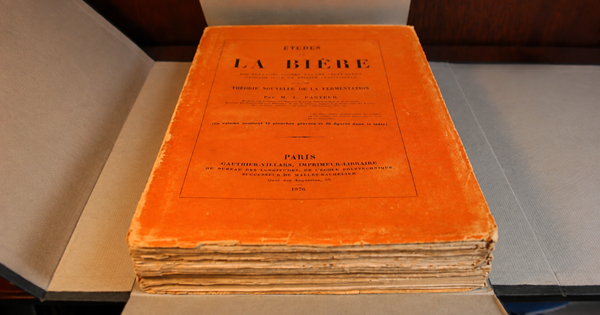
Études sur la Bière marked the point of no return; beer ceased to be a product of seasonality and luck to become one of the first great victories of biotechnology.

For millennia, human saliva was the most effective enzyme for creating fermentable sugars as an intimate biochemical reaction that defined the history of fermentation long before agriculture.

Beer is a perfect example of what in anthropology is known as cultural convergence, a phenomenon in which civilizations separated by oceans and millennia arrived at the same technological solution without having influenced each other.
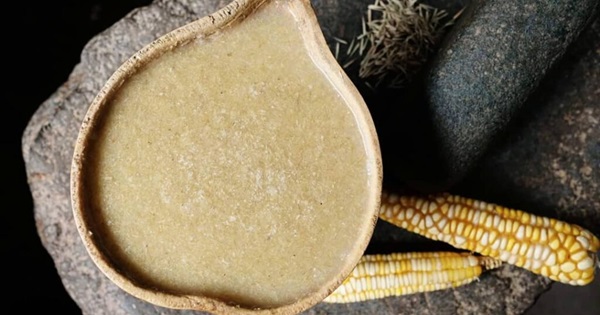
Tesgüino is a corn beer produced by the Rarámuri in the Sierra Tarahumara, Chihuahua, which still remains integrated into their labor exchange systems, ritual organization, and identity reproduction.
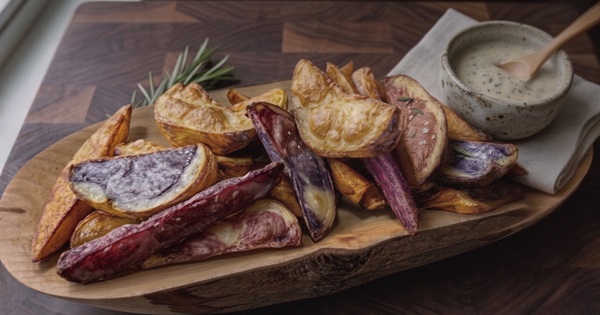
The Belgians point to fishermen from the Meuse River, who fried potato strips when the waters froze in the 17th century. The French point to street vendors at Paris’s Pont Neuf, who popularized them in the late 18th century.

In Tusheti, a remote region of the Georgian Caucasus, the sacred drink is not wine but aludi: a beer brewed with sun-malted barley and wild hops whose recipe has been passed down from grandmother to granddaughter for centuries.

A clay tablet from the Ur III period decoded in Copenhagen records more than 120 liters of beer distributed over two consecutive days in ancient Mesopotamia, distinguishing between good beer and ordinary beer. The oldest administrative document known to formally classify beer quality.

Behind those three numbers lies a brewing story that starts in Colorado in 1978 and a production process that sets it apart from every other lager in the mass market.

Vienna Lager was born combining British malting techniques with Bavarian cold fermentation; it was displaced by Czech Pilsner, but survived thanks to Austrian immigrants who arrived in Mexico in the 19th century.

From sacramental wine regulations to Vatican duty-free shops and Trappist monasteries, the Catholic Church has shaped the alcohol industry in ways most drinkers never consider. The story spans canon law, papal certification of wine producers, and brands that wear the monastic habit without living it.


