This post is also available in:
 Español
  Português
The relationship between the Catholic Church and alcohol operates on three distinct planes: sacramental wine, the Vatican as an active consumer market, and monastic brands ranging from genuinely monk-made to corporate licensed.
Each plane follows its own logic, and confusing them produces a distorted picture of what is actually a centuries-old industrial and theological story.
Sacramental Wine: Canon Law Sets the Rules
Canon 924 of the Code of Canon Law is precise: wine used in the Eucharist must be natural, made exclusively from grapes, and in good condition. Artificial aromas, colorants, and added sugars are prohibited. Limited use of sulfites is permitted, and in some cases the wine may be fortified with neutral grape alcohol — but the theological and legal parameters are strict enough to eliminate most commercial wines from consideration.
There is also a practical factor that rarely enters theological discussions: parishes generally prefer white or rosé wines. The reason is logistical — red wine stains liturgical cloths in ways that are difficult to remove. This single preference has shaped the offerings of certified sacramental wine producers for generations.
Among the producers with long-standing authorization, De Muller of Tarragona stands out. Founded in 1851, the winery received Vatican certification in 1883 and continues to produce sacramental wines from macabeo and white grenache. Other historically authorized producers include Sevenhill Cellars — established by Jesuits in Clare Valley, Australia, also in 1851 — Cribari Vineyards in Fresno, California, operating since 1917, San Antonio Winery in California, and Carlo Pellegrino and Martínez in Sicily, authorized by the bishop of Mazara del Vallo.
The Vatican as a Wine Market
With approximately 800 residents, Vatican City records per capita wine consumption of between 74 and 79 liters per year — a figure that reflects both cultural habit and the hospitality demands of diplomatic life. The Lateran Treaty of 1929 established a special fiscal regime exempting Vatican purchases from ordinary Italian taxes, which means the Annona store and the duty-free shop in the former railway station offer wines at prices unavailable anywhere else in Rome.
Between 96 and 99.9 percent of Vatican wine imports come from Italy. The cellars include Tignanello and Solaia from Marchesi Antinori, Abbazia di Novacella from Alto Adige, and Bava Vini from Piedmont. The most exclusive production, however, sits on two hectares of cabernet sauvignon at Castel Gandolfo, managed under the technical direction of enologist Riccardo Cotarella and reserved entirely for Vatican use.
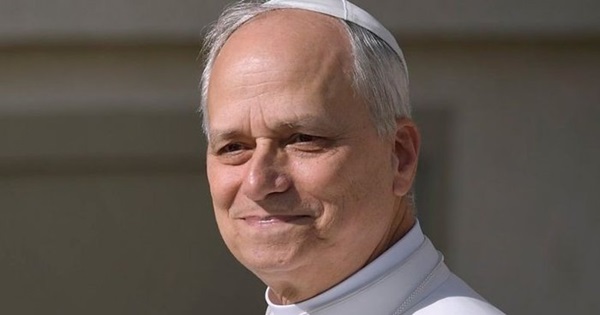
Papal preferences have varied with the individual. Benedict XVI was known for his appreciation of German beer, orange sodas, and sweet Italian wines. Francis opts for Italian whites consumed with discretion. In April of this year, Pope Francis presented King Charles III and Queen Camilla with a magnum bottle of Aneri Amarone, vintage 2005.
A Certification With Real Consequences
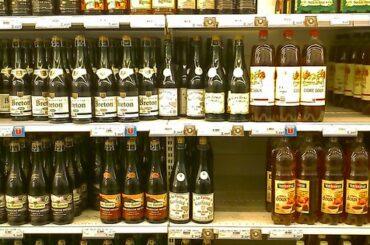
The Authentic Trappist Product seal exists because the distinction matters legally and commercially. To carry it, beer must be produced inside the monastery under direct supervision of monks, and the operation must serve non-profit ends. The list of qualifying breweries is short: Westmalle, Chimay, Orval, and Rochefort are among the most recognized. Achel lost its certification when the monastery could no longer maintain a sufficient monastic community. Spencer Brewery in the United States, which had become the first American Trappist brewery, has since closed.

The commercial landscape around Trappist beer is more complex than the seal suggests. Several abbey-branded beers are produced under license by major corporations with no active monastic involvement:
- Leffe — AB InBev
- Grimbergen — Heineken (Belgium) and Carlsberg (internationally)
- Affligem — Heineken
- Maredsous — Duvel Moortgat
The story of Westvleteren and St. Bernardus illustrates how these arrangements develop and dissolve. The two were linked through a historic commercial agreement that allowed St. Bernardus to produce beer using the Westvleteren recipe. When Trappist rules tightened, the relationship ended, leaving two distinct beers that share a lineage but not a certification.
Brands That Wear the Habit Without Living It
Two products deserve specific mention because their monastic image is largely manufactured. Bénédictine D.O.M. was created in 1863 by Alexandre Le Grand, a secular merchant who claimed to have rediscovered a medieval monk’s recipe. The brand is now part of Bacardi’s portfolio. Frangelico, the hazelnut liqueur whose bottle is shaped to resemble a Franciscan habit, was created in 1978 by a secular Italian company and is now owned by Campari.
Chartreuse occupies a genuinely different category. The Carthusian monks of France produce it using a recipe involving 130 herbs, plants, and flowers, and the liqueur is made inside the monastery. When cocktail culture drove demand sharply upward in recent years, the monks chose voluntarily to limit production rather than scale operations — a decision that kept prices high and supply constrained, reflecting an institutional logic entirely unlike that of a commercial spirits company.
Buckfast Tonic Wine represents yet another model. Benedictine monks at Buckfast Abbey in England developed the recipe, but distribution is handled by J. Chandler & Company. The wine’s combination of high alcohol content and caffeine has generated repeated controversy in Scotland, where it is disproportionately associated with antisocial behavior. The abbey receives millions in royalties through its trust, a financial arrangement that has drawn persistent public criticism.
Frequently Asked Questions
What Makes a Wine Suitable for Catholic Mass?
Canon 924 of the Code of Canon Law requires that sacramental wine be natural, made exclusively from grapes, and in good condition. Artificial aromas, colorants, and added sugars are prohibited. Limited use of sulfites is permitted, and in some cases the wine may be fortified with neutral grape alcohol.
How Much Wine Does the Vatican Consume Per Year?
Vatican City, with approximately 800 residents, records per capita wine consumption of between 74 and 79 liters per year. Between 96 and 99.9 percent of imports come from Italy, and the Vatican benefits from a special fiscal regime established by the Lateran Treaty of 1929.
What Is the Difference Between Trappist Beer and Abbey Beer?
Authentic Trappist beer carries a seal requiring production inside the monastery under direct monastic supervision, with proceeds directed to non-profit ends. Abbey beers are typically produced under commercial license by large corporations — AB InBev, Heineken, Carlsberg, or Duvel Moortgat — with no active monastic involvement.
Is Bénédictine Liqueur Actually Made by Monks?
No. Bénédictine D.O.M. was created in 1863 by Alexandre Le Grand, a secular merchant. It is currently part of the Bacardi portfolio and has no active monastic connection. Similarly, Frangelico was created in 1978 by a secular Italian company and is now owned by Campari.
Recommended
- Chimay: The Story of the Most Famous Trappist Brewery
- Trappist Beers: A Complete Guide to the Authentic Seal