

This post is also available in:
 Español
  Português
Does beer make you fat? How many calories does a light beer have? How many calories does a Corona beer have? These tend to be some of the most common questions among beer consumers.

If you are a beer lover and are trying to control your calorie intake, it is important to know how many calories are in each bottle or can of beer.

How many calories does a beer have?
Calories are a measure of the energy we obtain from the food and beverages we consume.
Beer contains calories derived from the carbohydrates and alcohol produced during brewing, where each gram of carbohydrates contains 4 calories, while each gram of alcohol contains 7 calories.
Therefore, the more alcohol a beer has, the more calories it will have. This is why it is important to keep in mind how the calories in beer can affect your diet and overall health.
Where do the calories in beer come from?
Carbohydrates and alcohol are the main source of calories in beer, both derived from the cereal grains used in the brewing process as a source of sugars that are mostly converted into alcohol and CO2.
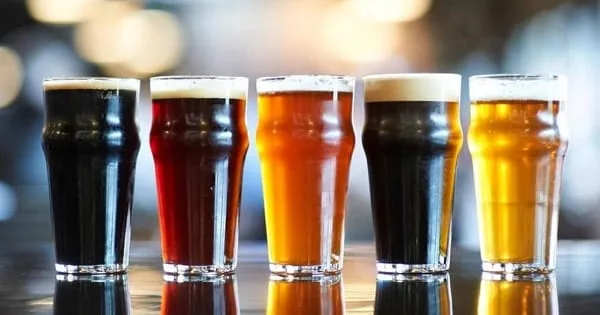
During fermentation, yeast breaks down the simple carbohydrates, but the longer carbohydrate chains remain in the finished beer and contribute to the total calorie count.
In general terms, it is estimated that beer contains approximately 60% of its calories from alcohol and 40% from residual carbohydrates.
Calories by beer type
Depending on the type of beer — related to the ingredients used and the type of fermentation — we can estimate that the average calorie content in a beer is as follows.
How many calories does a lager or blonde ale have?
On average, a lager or blonde ale, depending on volume, contains the following estimated calorie counts:
- 1 beer glass of 220 ml contains between 90 and 100 calories.
- 1 can of 333 ml contains between 120 and 150 calories.
- 1 liter of beer contains between 350 and 450 calories.
How many calories does a dark beer have?
A dark, special or reserve beer, on average, contains the following estimated calorie counts:
- 1 beer glass of 220 ml contains between 100 and 120 calories.
- 1 can of 333 ml contains between 150 and 180 calories.
- 1 liter of beer contains between 450 and 550 calories.
How many calories does a non-alcoholic beer have?
In general, non-alcoholic beers have incorporated nutritional labeling that should indicate their calorie content, but if not, here is a useful reference:
- 1 beer glass of 220 ml contains between 50 and 80 calories.
- 1 can of 333 ml contains between 75 and 120 calories.
- 1 liter of beer contains between 250 and 350 calories.
Calories in some beer types and brands
Below we detail the average and reference calories found in some of the most popular beer styles and brands for a serving of 330 ml.
| Beer Brand | Calories (per 330 ml) |
| Heineken | 140–150 calories |
| Budweiser | 145–155 calories |
| Corona Extra | 148 calories |
| Guinness Draught | 125–130 calories |
| Stella Artois | 150–160 calories |
| Modelo Especial | 145–155 calories |
| Coors Light | 102–110 calories |
| Sierra Nevada Pale Ale | 175–185 calories |
| Pilsner Urquell | 160–170 calories |
| Blue Moon | 170–180 calories |
| Sam Adams Boston Lager | 180–190 calories |
| Dos Equis | 145–155 calories |
| Newcastle Brown Ale | 138–148 calories |
| Lagunitas IPA | 180–190 calories |
| Chimay Blue | 220–230 calories |
| Duvel | 200–210 calories |
| Sapporo | 140–150 calories |
| Negra Modelo | 180–190 calories |
| Warsteiner | 150–160 calories |
| Guinness Foreign Extra | 176–186 calories |
| Tsingtao | 153–163 calories |
| Red Stripe | 153–163 calories |
| Asahi Super Dry | 140–150 calories |
| Miller Lite | 96–106 calories |
| Bud Light | 110–120 calories |
| Harbin | 140–150 calories |
| Grolsch | 160–170 calories |
| Suntory The Premium Malt’s | 143–153 calories |
| Singha | 145–155 calories |
| Oettinger | 126–136 calories |
| Beck’s | 145–155 calories |
| Efes Pilsen | 149–159 calories |
| Quilmes | 142–152 calories |
How to calculate the calories in a beer?
It is actually quite simple to calculate if you know the original gravity (OG) and final gravity (FG) of a beer.
To do this, you need to solve two separate equations to determine the total number of calories from alcohol and the total number of calories from residual carbohydrates, both of which depend on the gravity readings.

The following equations come from BeerSmith.com and are used to determine the number of calories in a 350 cc (12 oz) serving of beer:

 Where:
OG = Original Gravity (Densidad Inicial)
FG = Final Gravity (Densidad Final)
Total calories = Calories from alcohol + Calories from carbohydrates
So, for example, if you have an average Pale Ale with an original gravity of 1.054 and a final gravity of 1.010, the total would be approximately 179 calories — 116 from alcohol and 63 from residual carbohydrates.
If math is not your thing, you can find online calculators to do the work for you, such as BrewUnited.com.
So, beer is not a calorie demon — as with almost anything in life, consuming beer in moderation and keeping its calorie content in mind means it no longer has to be blamed for a tighter belt.
Finally, this also applies to the increasingly popular use of beer as a cooking ingredient, such as in these delicious beer chicken recipes.
Does beer make you fat?
There are many questions surrounding this topic, whether for aesthetic and/or health reasons. The first thing to make clear is that the calorie and carbohydrate content will vary depending on the types of beer and the brands that produce them.
With this goal in mind, and having debunked the myth about the beer belly, it becomes clear that beer has zero fat content and that the calories in a beer are actually not very different from those in other fermented beverages such as wine, whisky, or vodka.
In other words, consuming a significant number of calories from any source can lead to the same weight gain — there is no need to blame beer.
How to choose a low-calorie beer
Besides alcohol content, there are other factors to consider when choosing a low-calorie beer.
For example, some light beers may have more carbohydrates than regular beers, which can affect your total calorie intake.
You should also pay attention to the ingredients and additives in the beer, as some can add extra calories.
Finally, remember that the taste and quality of beer also matter, so make sure to choose a beer you enjoy and that fits your nutritional needs.
Does beer color affect calorie count?
Contrary to popular belief, beer color is not a useful indicator of calories, which means that darker beers are not necessarily higher in calories.
That said, the low-calorie beers seen in television commercials are light in color and body because they minimize the use of grains in the brewing process, often through the use of adjuncts, reducing the number of residual carbohydrates while maintaining the alcohol level.

Recommended
- Dry Hopping: What is it and what is it used for?
- 10 tips for ensuring food safety in bars and restaurants