Alcohol suppresses REM sleep in the first half of the night and triggers a rebound in the second, causing vivid dreams, micro-awakenings, and fragmented rest. What the science says.
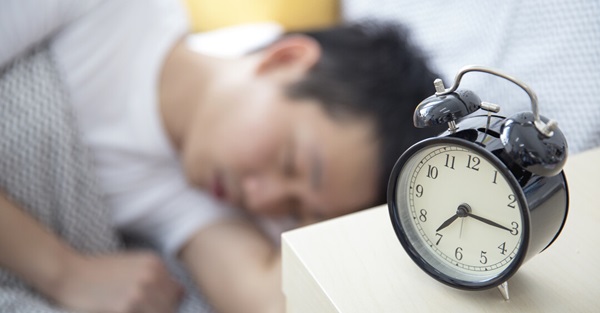

Alcohol suppresses REM sleep in the first half of the night and triggers a rebound in the second, causing vivid dreams, micro-awakenings, and fragmented rest. What the science says.
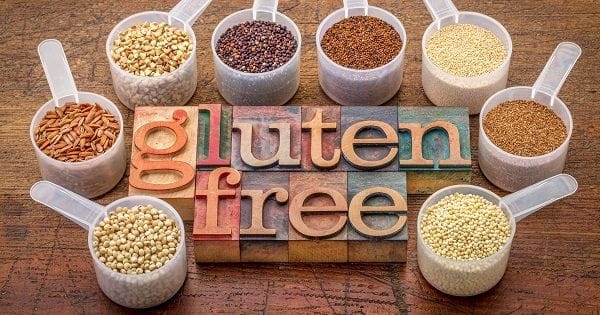
A June 2026 study detects immunoreactive barley peptides in gluten-free labeled beers that pass the 20 ppm threshold but can activate celiac disease, questioning the adequacy of current testing methods.
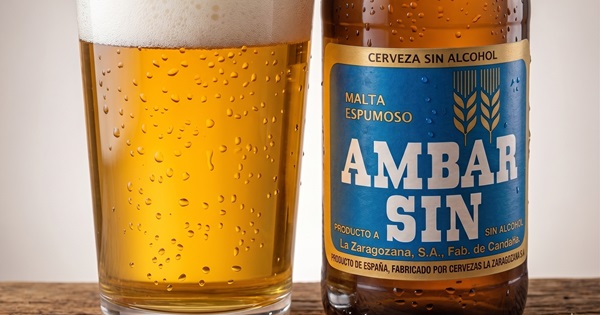
In 1976, La Zaragozana launched Ambar SIN, Spain’s first non-alcoholic beer. Fifty years later, the country leads European consumption at 14% of the market. The story of the inventor, the blue label, and the journey from 4,000 small bottles to global stardom.
In 2013, a 61-year-old man arrived at the emergency room of a Texas hospital with a blood alcohol level of 0.37 g/dL. He claimed he had not been drinking. The medical staff did not believe him, since 0.37 g/dL is equivalent to consuming, in one go, nearly ten standard pints.
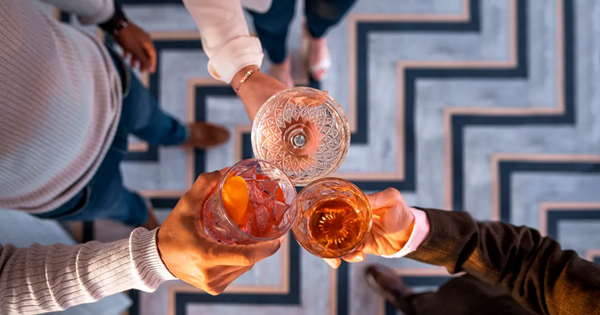
The sober curious movement is defined as the introspective practice of questioning one’s personal relationship with alcohol, prioritizing physical and mental well-being without the need to adopt a label of absolute abstinence or addiction recovery.
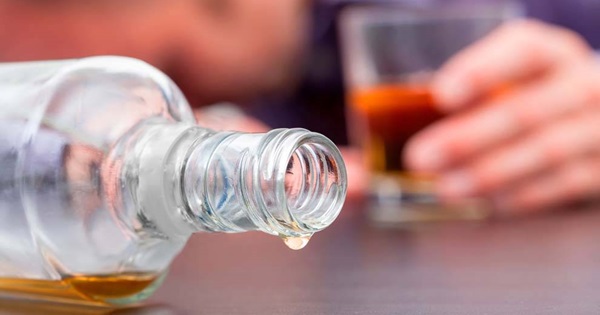
Alcoholism is not just a problem of willpower or habit; it is a condition deeply rooted in neurobiology, personal history and unresolved emotional suffering.
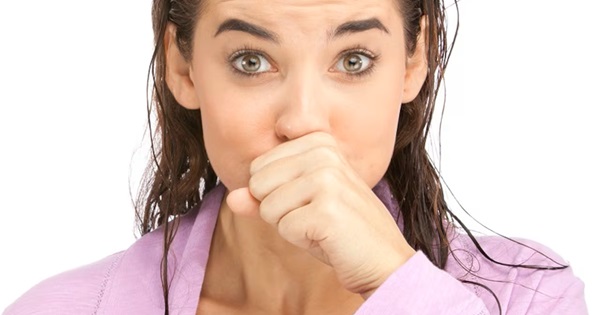
The term “hop burps” is commonly used to describe a peculiar phenomenon of rapid and frequent burps experienced after consuming beers with a high hop content.
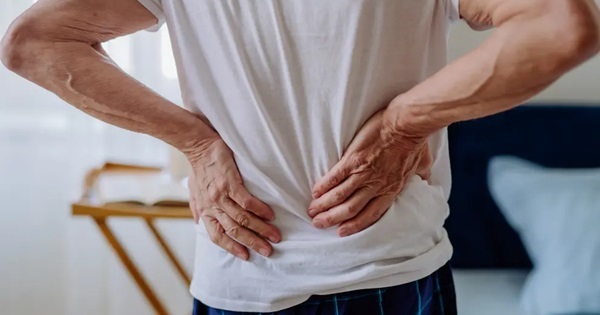
The idea that beer cleans the kidneys is a myth rooted in many cultures, especially in countries with a brewing tradition.
Does regular beer consumption affect the development of prostate diseases such as benign prostatic hyperplasia (BPH) or prostate cancer? Could there be any positive effect on prostate tissue from moderate beer consumption?

This formula is divided into two phases: before bed and upon waking, with the goal of maximizing recovery and minimizing the negative effects of alcohol.
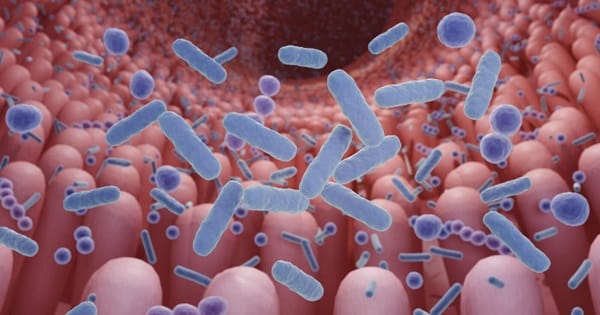
This ecosystem, formed by billions of microorganisms that reside in the digestive tract, is key for numerous physiological functions, such as digestion, nutrient synthesis, the immune response, and the production of serotonin.

Our ancestors drank beer, but so did the Sumerians, who prepared it over 5,000 years ago and even had a goddess dedicated to it named Ninkasi.


