This post is also available in:
 Español
  Português
  Français
Our ancestors drank beer, but so did the Sumerians, who brewed it over 5,000 years ago and even had a goddess dedicated to it called Ninkasi.

Our ancestors were undoubtedly very observant in developing a delicious mixture of water and fermented grains that, in addition to being revitalizing and delicious, can be surprisingly healthy.
In any case, walking the path toward a much healthier life is about being in control and not consuming alcohol believing that science legitimizes alcohol abuse.
We are talking about moderate beer consumption, depending on whether you are a man or woman, your weight, and other factors that define your tolerance index.
1. Keeps the heart healthy
Like red wine, which has also been studied as beneficial for reducing the risk of cardiovascular disease, moderate beer drinkers have a 42% lower risk of heart disease compared to non-drinkers.
The research suggests not exceeding consumption of 5% alcohol volume/liter per day.

Research data reveals that moderate beer consumption, both traditional and non-alcoholic, favors the repair processes of damaged hearts thanks to the nutrients it contains derived from its natural ingredients (water, malted barley, and hops).
Among these are B vitamins (especially folic acid), fiber, minerals (silicon, potassium, magnesium, and low sodium), as well as xanthohumol, one of the most characteristic polyphenols (natural antioxidants) in beer, which is related to protective effects on cardiovascular health.
2. Can lengthen your life
At the American university Virginia Tech, they found that regular beer drinkers were 19% less likely to die in a given time period than those who never tried it.
WebMD also found that people who drink one beer every other day have a 12% lower risk of ischemic stroke compared to non-drinkers.
3. Let your creativity flow
After tasting a beer, a study published in the journal Consciousness and Cognition claims that our creativity increases.

Tests were conducted with 40 men who, while watching a movie, solved verbal puzzles, noting that those who had consumed beer were a few seconds faster than those who hadn’t.
In a second study revealed by Men’s Health magazine, individuals with a blood alcohol level of 0.075 were faster in verbal responses than their sober rivals.
4. Reduces the risk of kidney stones
WebMD highlights another report on a Finnish study that found that one beer a day reduces the risk of developing kidney stones by a staggering 40%. Impressive.
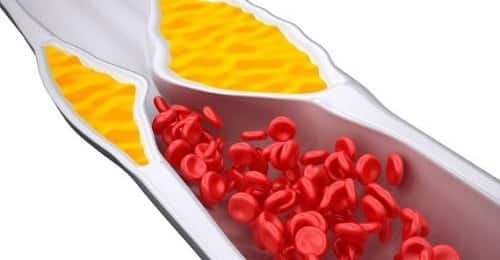
5. Keeps cholesterol in check
The American Heart Association released a study years ago that found that moderate beer consumption promotes the development of good cholesterol (HDL).

6. Reduces the risk of senile dementia
Studies have shown that a compound found in hops used to flavor beer, xanthohumol, is capable of protecting the brain from degenerative diseases such as Alzheimer’s and Parkinson’s.
7. Has very few calories
Do you want to have a beer for breakfast? You should know that Guinness published statistics showing that it has fewer calories than orange juice or skim milk.
8. Prevents cataracts
People at risk of developing cataracts should drink one beer a day, because cellular reinforcements can prevent their development.
Still, you should be careful not to drink more than 3 beers a day, as doing so can have unfavorable effects on your eyes.
9. Strengthens your bones
Beer contains dietary silicon that protects bones and connective tissue.
Research has found that consumers were 38% less likely to develop osteoporosis than non-drinkers.
10. Hydrates after training
This study was conducted in Spain to test whether beer as a hydrating drink could be more effective after training than a bottle of water.
A group of students was asked to do a series of exercises until they reached a high body temperature; afterward, half were given water to drink and the other half beer. The latter turned out to be slightly more hydrated.
Conclusions
From protecting the heart and strengthening bones to stimulating creativity and reducing the risk of degenerative diseases, science has shown that responsible beer consumption can be a healthy choice within a balanced lifestyle.
However, it is crucial to remember that these benefits are associated with moderate consumption, as alcohol abuse can have adverse health effects.
Ultimately, enjoying a beer consciously and responsibly can be a pleasure that also contributes to your well-being.
Frequently Asked Questions (FAQ)
1. What hop compound helps protect the brain against Alzheimer’s?
Hops provide beer with a unique natural polyphenol and antioxidant called xanthohumol. Various scientific studies have shown that this compound possesses neuroprotective properties capable of combating oxidative stress in brain cells. Its main function is to slow down neuron degradation and block the accumulation of harmful proteins associated with the development of degenerative diseases such as Alzheimer’s and Parkinson’s, helping to preserve cognitive functions in the long term.
2. Why does moderate consumption increase good cholesterol levels?
Beer positively intervenes in lipid metabolism thanks to its antioxidants and low alcohol content. When consumed in moderation, it stimulates the increase of high-density lipoproteins in the bloodstream, which are responsible for collecting excess fat in the arteries and transporting it to the liver for elimination. This process prevents the accumulation of atheroma plaques, drastically reducing the risk of vascular obstructions and ischemic heart disease.
3. How does dietary silicon benefit people at risk of osteoporosis?
Silicon is an essential trace mineral for calcium fixation in bones and collagen synthesis in connective tissues. During the barley grain mashing process, orthosilicic acid is extracted—a liquid form of silicon that the human digestive system absorbs with much higher efficiency than solid foods. This constant mineral supply stimulates the cells responsible for generating bone mass, improving skeletal density and preventing bone fragility.
4. Why can beer be more hydrating than water after exercise?
The effectiveness of beer as a recovery drink after training is due to its nature as a hydroelectrolytic solution. Unlike pure water, beer contains simple carbohydrates, potassium, magnesium, and B vitamins that are rapidly assimilated by the body. As long as consumed in moderate doses and with low alcohol content, this combination of nutrients replenishes minerals lost through sweating and facilitates restoration of cellular water balance in a slightly faster way.
5. What is the maximum recommended alcohol dose to avoid reversing the benefits?
Cardiovascular health studies suggest that the protective effects of beer remain stable only if you do not exceed the equivalent of one standard drink per day for women and up to two for men, preferring volumes with a maximum of 5% alcohol per liter. Exceeding these medical limits immediately nullifies any benefit, raising blood pressure, damaging heart tissue, and exponentially increasing the risk of developing addictions or liver diseases.
Additional references
- Homan, M. M. (2004). Beer and Its Drinkers: An Ancient Near Eastern Love Story. Near Eastern Archaeology, 67 (2), 84-95. www.academia.edu
- Mukamal, K. J., et al. (2003). Roles of Drinking Pattern and Type of Alcohol Consumed in Coronary Heart Disease in Men. New England Journal of Medicine, 348 (2), 109-118. www.nejm.org
- Arranz, S., et al. (2012). Wine, Beer, Alcohol and Polyphenols on Cardiovascular Disease and Cancer. Nutrients, 4 (7), 759-781. www.mdpi.com
- González-Muñoz, M. J., et al. (2008). Beer and Its Non-Alcoholic Compounds: Role in Preventing Oxidative Stress. Food Research International, 41 (9), 869-879. www.sciencedirect.com
We Recommend
- Introduction to beer and cigar pairing, everything you need to know
- What is and how to become a true master brewer?