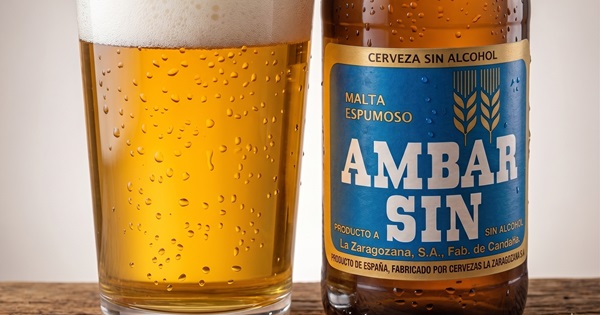
In 1976, La Zaragozana launched Ambar SIN, Spain’s first non-alcoholic beer. Fifty years later, the country leads European consumption at 14% of the market. The story of the inventor, the blue label, and the journey from 4,000 small bottles to global stardom.
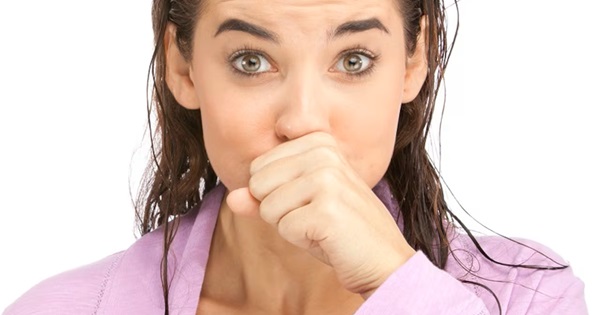
The term “hop burps” is commonly used to describe a peculiar phenomenon of rapid and frequent burps experienced after consuming beers with a high hop content.
The idea that beer cleans the kidneys is a myth rooted in many cultures, especially in countries with a brewing tradition.
The human sensory system, though sophisticated, has clear limits. Prolonged exposure to certain aromatic and gustatory stimuli can lead to sensory fatigue or adaptation.
Our ancestors drank beer, but so did the Sumerians, who prepared it over 5,000 years ago and even had a goddess dedicated to it named Ninkasi.
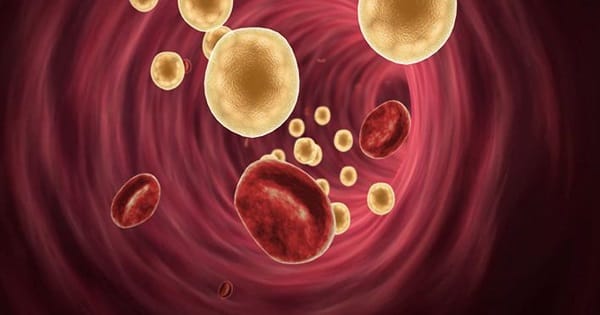
Did you know that beer can affect your good and bad cholesterol levels? Discover its impact on your cardiovascular health and what science says about it.
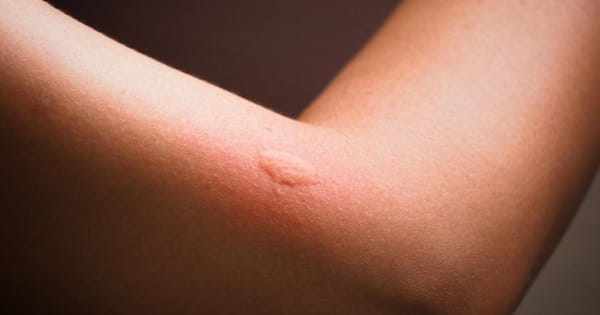
In recent years, scientific research has revealed an intriguing finding: beer consumption can significantly increase the probability of being bitten by these blood-sucking insects.
Drinking beer is a very common social activity, especially when enjoyed with friends. However, after having a couple of beers, it is common to notice that bathroom visits increase significantly.
Beer is one of the most popular alcoholic beverages among Peruvians, always present at social activities. Discover the most common slang expressions Peruvians use when heading out for beers with friends.
Dreaming about drinking beer doesn’t always mean the same thing. Discover what changes if you’re alone, with friends, with a stranger or drinking from a bottle. A guide to 7 scenarios and their meanings.
Excessive alcohol consumption is unfortunately a deeply rooted practice in many cultures around the world, making its impact on human health a topic of constant research and concern.
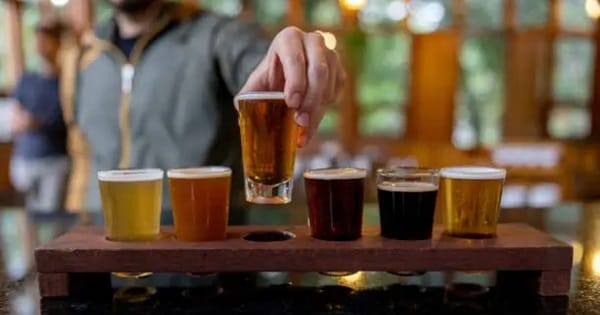
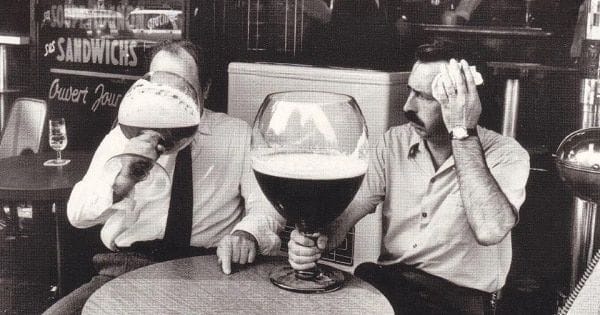
Researchers at the University of Bristol in the United Kingdom conducted an experiment that sought to demonstrate how the shape of the glass has a huge effect on the speed at which we consume a beer.