This post is also available in:
 Español
  Português
Excessive alcohol consumption is unfortunately a deeply rooted practice in many cultures around the world, making its impact on human health a topic of constant research and concern.
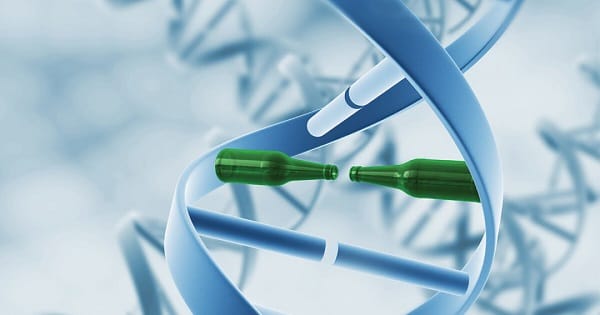
In this article, we will explore how alcohol consumption can modify DNA, examining its origins, underlying causes, and associated risks.
Understanding these aspects is essential to making informed decisions about alcohol consumption and its health consequences.
What is DNA?
Deoxyribonucleic acid (DNA) is an essential molecule found in all living cells.
This biological molecule is the master blueprint of life, as it contains all the genetic information necessary for the development, functioning, and reproduction of organisms.
DNA is composed of smaller units called nucleotides, which consist of a nitrogenous base (adenine, guanine, cytosine, or thymine), a phosphate group, and a sugar (deoxyribose).
What is the function of DNA?
DNA encodes the instructions necessary for protein synthesis, which are fundamental to the functioning and structure of cells and, ultimately, to the expression of hereditary traits.
Each organism has its own unique set of DNA, which gives it its individual characteristics and determines its genetic predisposition to various health conditions.
How can alcohol modify DNA?
It is important to note that DNA is highly susceptible to damage and modification. Internal and external factors, such as radiation, chemicals, and alcohol consumption, can alter DNA structure and sequence.
This leads to genetic mutations and triggers various health consequences, making DNA modification due to alcohol consumption a major concern that we will address in detail below.
1. Alcohol and metabolism
Alcohol metabolism has a direct impact on DNA modification. The human body breaks down alcohol in the liver through a series of enzymes, such as alcohol dehydrogenase.
During this process, toxic chemicals such as acetaldehyde are generated, which can damage DNA and cause mutations.
2. Oxidative stress
Alcohol also increases the production of reactive oxygen species in the body. These molecules can damage DNA and cause changes in its structure.
The resulting oxidative stress is a key factor in alcohol-related DNA modification.
Why does alcohol modify DNA?
1. Genetics
Susceptibility to DNA modification by alcohol may be influenced by genetic factors.
Some people have more efficient enzymes for breaking down alcohol, which reduces potential DNA damage, while others may be more vulnerable.

2. Duration and amount of consumption
The risk of modifying DNA is directly related to the amount and duration of alcohol consumption.
Excessive and prolonged consumption increases the likelihood of genetic damage.
3. Environmental factors
Environmental factors, such as exposure to carcinogens or diet quality, can interact with alcohol and increase the risk of DNA modification.
Underlying causes of DNA modification
1. Carcinogenesis
DNA modification by alcohol can trigger carcinogenesis processes. Cumulative damage can lead to tumor development and cancer.
2. Hereditary diseases
In individuals with a genetic predisposition to certain diseases, such as cancer, alcohol consumption can accelerate the onset of such diseases due to DNA modification.
Associated risks and diseases
1. Cancer
The most serious risk associated with DNA modification by alcohol is the development of cancer, especially in the liver, mouth, throat, esophagus, and breast.
2. Cardiovascular diseases
Excessive alcohol consumption is also associated with an increased risk of cardiovascular diseases, such as high blood pressure and heart disease.
Conclusions
In summary, alcohol consumption can have a significant impact on DNA modification, increasing the risk of serious diseases, including cancer.
Genetic factors, the amount and duration of consumption, and other environmental factors contribute to this DNA modification.
It is essential to make informed decisions about alcohol consumption and seek help if necessary to prevent negative long-term health consequences.
Education about the risks associated with alcohol is fundamental to a healthier society.
Frequently Asked Questions (FAQ)
1. Is the damage that alcohol causes to DNA reversible?
Although the body has natural cell repair mechanisms, chronic or massive damage can exceed this capacity. Stopping alcohol consumption halts the generation of new DNA adducts (chemical damage), allowing healthy cells to regenerate, but permanent mutations already established in stem cells could persist and increase the risk of long-term diseases.
2. Does moderate alcohol consumption also affect genetic material?
Recent studies suggest there is no absolute “safety threshold.” Even moderate consumption can interfere with DNA methylation, an epigenetic process that regulates which genes are turned on or off. This means that, even without immediate physical chain breakage, alcohol can alter cellular “programming.”
3. How does alcohol influence telomere length?
Excessive alcohol consumption is closely linked to premature shortening of telomeres (the protective caps at the ends of chromosomes). Shorter telomeres are a biological marker of accelerated cellular aging and increased susceptibility to chronic diseases and premature death.
4. Can alcohol-induced genetic damage be inherited by children?
Yes, through epigenetic inheritance. Alcohol consumption can alter chemical marks on the DNA of sperm and eggs. These modifications do not change the genetic code sequence, but they do affect how genes are expressed, which could predispose offspring to metabolic or behavioral disorders.
5. What nutrients help protect DNA against alcohol-induced oxidative stress?
Nutrients such as folic acid (vitamin B9), vitamin B12, and antioxidants are crucial for DNA synthesis and repair. Alcohol directly interferes with the absorption of these vitamins, so their deficiency, combined with alcohol consumption, creates a “double blow” that facilitates the appearance of genetic errors.