This post is also available in:
 Español
  Português
Beer consumption, one of the most popular alcoholic beverages worldwide, has been the subject of numerous scientific studies aimed at understanding its effects on cardiovascular health, specifically on cholesterol levels.
It is a fermented beverage composed of a complex mixture of water, alcohol, carbohydrates, minerals, and bioactive compounds, deeply rooted in the cultures of many countries.

This article explores the complex relationship between beer consumption and the different types of cholesterol in the body, highlighting both its benefits and potential risks.
Beer Composition
Beer contains unique bioactive compounds, including polyphenols and flavonoids, that have the capacity to influence lipid metabolism.
Polyphenols, found in ingredients such as hops and malted barley, have antioxidant properties that can help combat oxidative stress in cells.
These effects have positive implications for lipid metabolism, helping to maintain a healthy balance between LDL and HDL cholesterol.
In addition, the yeast used in the fermentation process contributes B vitamins and folic acid, helping to support cardiovascular health.
However, the alcohol and caloric content of beer must also be considered, as excessive consumption can significantly counteract these beneficial effects.
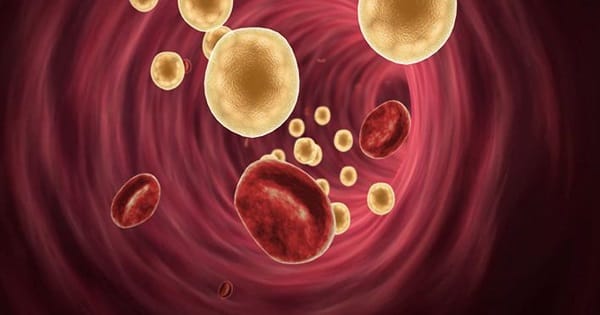
Cholesterol is a steroid lipid found in all cells of the body and is essential for the formation of cell membranes, hormone production, and fat digestion.
Effects on HDL (Good Cholesterol)
One of the most documented effects of moderate beer consumption is its ability to increase HDL or “good” cholesterol levels.
HDL (high-density lipoprotein) is considered “good cholesterol” because it helps remove cholesterol from the arteries and transports it to the liver for elimination, thereby reducing the risk of cardiovascular disease.
This type of cholesterol plays a crucial role in removing excess LDL cholesterol from the arteries, thus reducing the risk of cardiovascular disease.
Research has shown that moderate beer consumption can increase HDL levels by 4% to 11%.
This effect is attributed both to alcohol, which improves liver function in lipid metabolism, and to polyphenols, which promote an antioxidant environment in the body.
However, this benefit is only evident when consumption is moderate and accompanied by a healthy lifestyle.
Impact on LDL (Bad Cholesterol)
The effect of beer on LDL or “bad” cholesterol is more complex and depends largely on the amount consumed.
LDL (low-density lipoprotein), on the other hand, is known as “bad cholesterol” because it can accumulate in artery walls, forming plaques that can obstruct blood flow and increase the risk of heart attacks and strokes.
While moderate consumption appears to have a neutral or even slightly beneficial impact by reducing LDL oxidation, excessive consumption can reverse these effects.

The high caloric content of some beers can lead to weight gain, which is associated with higher LDL levels in the blood.
Furthermore, alcohol in excessive amounts can overload liver metabolism, disrupting the production and elimination of lipoproteins.
Therefore, moderation is essential to prevent adverse effects on the lipid profile.
The Importance of Moderation
The key to obtaining potential benefits from beer consumption lies primarily in moderation.
Epidemiological studies have shown that moderate consumption, defined as no more than one pint per day for women and up to two pints per day for men, may be associated with better cardiovascular health.
This level of consumption allows the antioxidant and anti-inflammatory benefits of polyphenols to be enjoyed without the risks associated with excessive alcohol consumption.
Conversely, exceeding these limits can result in increased LDL cholesterol, higher triglycerides, and greater risks of liver and metabolic diseases.
Additional Considerations
It is important to note that the impact of beer on cholesterol cannot be evaluated in isolation.
Factors such as overall diet, physical activity level, genetics, and other lifestyle habits significantly influence cholesterol levels.
For example, a diet rich in saturated fats and refined carbohydrates can counteract any beneficial effect of beer.
Likewise, individuals with medical conditions such as hypercholesterolemia or who are taking lipid-lowering medications should be especially cautious.
In these cases, consulting with a healthcare professional is essential to assess whether beer consumption is appropriate.
Beer vs. Cholesterol
| Aspect Analyzed | Documented Effect | Notes |
| Polyphenols | Increase in HDL and antioxidant properties | Derived from hops and malted barley |
| B Vitamins | Support for cardiovascular health | Contributed by yeast |
| Moderate Consumption | HDL increase of 4% to 11% | Associated with alcohol and bioactive compounds |
| Excessive Consumption | Increase in LDL and obesity risk | High caloric content |
| Overall LDL Impact | Neutral or slightly beneficial | Depends on consumption level |
| Additional Factors | Diet, exercise, genetics, and habits | Important for evaluating total impact |
References
1. De Gaetano, G., et al. (2016). Effects of moderate beer consumption on health and disease: A consensus document. Nutrition, Metabolism and Cardiovascular Diseases, 26(6), 443-467. pubmed.ncbi.nlm.nih.gov
2. Chiva-Blanch, G., et al. (2013). Effects of alcohol and polyphenols from beer on atherosclerotic biomarkers in high cardiovascular risk men: A randomized feeding trial. Nutrition, Metabolism and Cardiovascular Diseases, 23(5), 487-493. www.researchgate.net
3. Brien, S. E., et al. (2011). Effect of alcohol consumption on biological markers associated with risk of coronary heart disease: systematic review and meta-analysis of interventional studies. BMJ, 342, d636. www.ncbi.nlm.nih.gov

Recommended
- The History of Duvel and the Origins of the True «Devil» of Belgian Beers
- Vacations 2025: The Best Areas to Stay in Rio de Janeiro