This post is also available in:
 Español
  Português
  Français
A person with diabetes who already drinks can drink beer in moderation, according to the American Diabetes Association (ADA). Its 2026 Standards of Care set, for those who drink, a maximum of one drink a day for women and two for men, and advise people who do not drink not to start. For people who use insulin or sulfonylureas, the risk the ADA highlights most is the drop in blood glucose that alcohol can trigger hours after drinking.
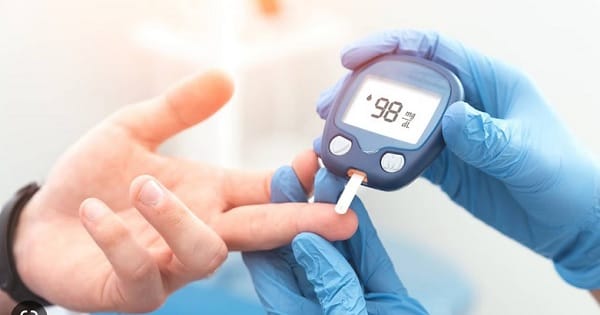

The relationship between beer and blood glucose has two phases that pull in opposite directions. The carbohydrates in beer can raise blood sugar shortly after drinking it, and alcohol then slows the release of glucose from the liver and can make it fall.
What the American Diabetes Association Recommends in 2026
The ADA’s 2026 Standards of Care in Diabetes, published in January in Diabetes Care, include two recommendations on alcohol. Recommendation 5.18 states that adults with diabetes who drink should not exceed one drink a day for women and two for men. One drink equals 12 ounces of beer, about 355 milliliters. The same recommendation adds that people who do not drink should not start, even in moderation.
Recommendation 5.19 calls for educating patients about delayed hypoglycemia and teaching them to monitor blood glucose after drinking, especially if they use insulin or drugs that stimulate its secretion. Beer is not forbidden for everyone with diabetes, and drinking it requires knowing one’s own treatment and keeping an eye on blood glucose.
Does Beer Raise or Lower Blood Sugar?
Beer can do both at different times. In the first phase its carbohydrates are absorbed and raise blood glucose. A 355 milliliter can of regular beer provides about 12.6 grams of carbohydrates and practically no sugar according to the USDA, as we explain in our article on whether beer has sugar.
In the second phase alcohol takes over. While the liver metabolizes it, the liver’s ability to release glucose into the blood is reduced, which is why blood glucose can fall hours after the last drink. The medical encyclopedia MedlinePlus from the US National Institutes of Health warns that the risk of low blood sugar remains for hours after drinking, and that its symptoms are similar to those of intoxication.
Insulin and Sulfonylureas, the Treatments With the Highest Risk
The risk of hypoglycemia is not the same for everyone with diabetes. People who inject insulin or take sulfonylureas, a group of drugs that stimulates insulin secretion, are more likely to suffer severe drops in blood glucose when they drink, because their treatment already pushes glucose down. The ADA focuses precisely on these patients in recommendation 5.19.
The practical guidance collected by MedlinePlus points in the same direction. Avoid drinking on an empty stomach, have beer with food rich in carbohydrates, check blood glucose before drinking, while drinking, a few hours afterwards and over the following 24 hours, and wear a visible medical ID stating that you have diabetes. Each person should adjust this guidance with their doctor, who knows their treatment and glucose control.
Regular, Light or Non-Alcoholic Beer for People With Diabetes
USDA data allow the three types to be compared. Regular beer provides 3.55 grams of carbohydrates per 100 grams, light beer 1.64 grams and the malt beverage category, which groups non-alcoholic beer with sweetened drinks, 8.05 grams, all of them sugars, a figure that is only a rough guide for non-alcoholic beer. Light beer adds the fewest carbohydrates, and it also contains somewhat less alcohol than regular beer.

Non-alcoholic beer, which usually contains up to 0.5% alcohol, greatly reduces the effect of ethanol on the liver and with it the risk of delayed hypoglycemia. In exchange, many brands contain considerably more sugar than conventional beer, and that sugar does raise blood glucose. Anyone who manages diabetes by counting carbohydrates should add those grams as part of the meal. People with both diabetes and fatty liver will find more context in our article on fatty liver and beer.
The Position of the WHO Regional Office for Europe
The World Health Organization’s Regional Office for Europe takes a stricter position than the ADA. In its January 2023 statement, it said that no level of alcohol consumption is safe for health and that the risk starts from the first drop. The ADA’s advice not to start drinking fits that view.
The ADA offers limits for those who already drink and decide to keep doing so, and the WHO Regional Office for Europe points out that there is no level of consumption without risk. The safest option for each person is set by their medical team, which also knows about any complications they may have.
Frequently Asked Questions (FAQ)
1. Can a person with type 2 diabetes drink beer?
A person with type 2 diabetes can drink beer in moderation if their doctor approves. In 2026 the ADA sets a maximum of one drink a day for women and two for men. Anyone using insulin or sulfonylureas should pay special attention to delayed hypoglycemia, which can appear hours after drinking.
2. Which beer is best for a person with diabetes?
Light beer provides the fewest carbohydrates, 1.64 grams per 100 grams according to the USDA versus 3.55 for regular beer. Non-alcoholic beer avoids the effect of alcohol, but many brands have more sugar.
3. Is non-alcoholic beer good for people with diabetes?
Non-alcoholic beer contains at most 0.5% alcohol, so the risk of delayed hypoglycemia is much lower, and it can raise blood glucose because of its sugar content. The USDA assigns 8.05 grams of sugars per 100 grams to the malt beverage category, which includes it along with sweetened drinks. It should be counted as part of the meal’s carbohydrates.
4. How many beers can a person with diabetes drink?
According to the ADA, at most one drink a day for women and two for men, with one drink being about 355 milliliters of beer. People with diabetes who do not drink should not start. A doctor may set a lower limit depending on treatment and glucose control.
5. Does beer raise blood sugar?
The carbohydrates in beer can raise blood glucose shortly after drinking it. Afterwards, alcohol reduces the release of glucose from the liver and can cause a drop that lasts for hours. That is why the ADA recommends checking blood glucose after drinking, especially with insulin or sulfonylureas.
This article is for informational purposes only and does not replace advice from a healthcare professional.

Recommended
- Does Beer Have Sugar? Why Traditional Brews Have Almost None and Non-Alcoholic Ones Do
- Fatty Liver and Beer, What Medical Guidelines Say and How Many Beers Are Too Many