This post is also available in:
 Español
  Português
A recent study published in Nature Medicine has revealed alarming data on the impact of sugar-sweetened beverages (SSBs) on global health.

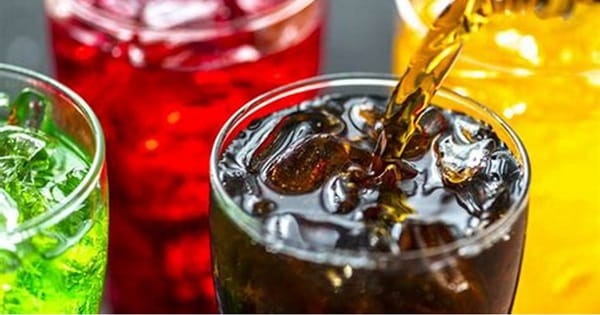
According to the research, in 2020, consumption of these beverages was associated with 2.2 million new cases of type 2 diabetes (T2D) and 1.2 million new cases of cardiovascular disease (CVD) worldwide.
These figures represent 9.8% and 3.1% of all new cases of these diseases, respectively. But what does this mean for beverage lovers, including beer enthusiasts?
Global consumption of sugar-sweetened beverages
The study, led by Laura Lara-Castor and her team, analyzed data from 184 countries, stratified by age, sex, educational level, and area of residence (urban or rural).
The researchers used data from the Global Dietary Database (GDD), which includes data from 450 dietary surveys covering more than 2.9 million individuals from 118 countries.
This approach allowed a detailed assessment of how SSB consumption affects different subpopulations around the world.
Sugar-sweetened beverages were defined as any beverage with added sugars and more than 50 kcal per 250 ml (8 oz) serving.
This includes sodas, energy drinks, fruit juices, punches, lemonades, and flavored waters, but excludes 100% natural juices, artificially sweetened zero-calorie beverages, and sweetened milks.
| Demographic | Consumption (servings/week) | Cases attributable to SSBs |
| Men | 2.8 servings/week | T2D: 10.1% / CVD: 3.2% |
| Women | 2.4 servings/week | T2D: 9.5% / CVD: 2.9% |
| Young Adults (20–29 years) | 3.5 servings/week | T2D: 15.6% / CVD: 12.0% |
| Older Adults (60+ years) | 1.8 servings/week | T2D: 7.0% / CVD: 1.2% |
| Urban Areas | 3.0 servings/week | T2D: 11.3% / CVD: 3.5% |
| Rural Areas | 1.5 servings/week | T2D: 7.0% / CVD: 1.8% |
Who is most affected?
Results showed that, globally, men, younger adults, those with higher educational levels, and urban residents bear the greatest disease burden attributable to SSB consumption.
Regionally, Latin America and the Caribbean, along with sub-Saharan Africa, showed the highest percentages of T2D and CVD cases attributable to these beverages.
For example, in Colombia, 48.1% of new T2D cases and 23% of new CVD cases in 2020 were attributed to SSB consumption.
In Mexico, these percentages were 30% and 13.5%, respectively. These data underscore the importance of addressing SSB consumption in these regions, where current policies appear insufficient to reduce these health impacts.
Implications for the beer industry
Although the study focuses on sugar-sweetened beverages, its findings have important implications for the beverage industry as a whole, including beer.
1. Reducing added sugars
For the beer industry, this could translate into greater demand for beers with lower sugar content or no added sugars.

Craft beers, which often focus on natural ingredients and traditional processes, could benefit from this trend.
2. Consumer education
The study reveals that adults with higher educational levels consume more SSBs. This suggests that education alone is not enough to change consumption habits.
The beer industry could play an important role in consumer education, promoting healthier options and transparent labeling.
3. Public policy and regulations
The study suggests that more effective policies are needed to reduce SSB consumption. These could include specific taxes, marketing regulations, and front-of-pack labeling.
The beer industry should monitor these regulatory trends closely, as they could extend to other beverage categories.
4. Product innovation
Growing awareness of the health risks associated with SSBs could drive innovation in the beer industry.
For example, we could see increased popularity of low-calorie beers, alcohol-free options, or beers with functional ingredients that promote health.
| Aspect | Trend | Application example |
| Sugar Reduction | Lower sugar content in beverages. | Low-calorie beers or beers with no added sugars. |
| Clear Labeling | Transparent information on ingredients and calories. | Labels that highlight low sugar content. |
| Product Innovation | Development of healthier beverages. | Functional beers with beneficial ingredients (e.g., ginger, turmeric). |
| Consumer Education | Campaigns promoting responsible consumption. | Promotion of craft beers made with natural ingredients. |
A call to action and self-care
This study not only underscores the health risks associated with SSB consumption, but also offers an opportunity for the beverage industry in general, and beer in particular, to reflect on its role in promoting healthier options.
Reducing added sugars, educating consumers, and innovating products are key areas that could make a difference.
For beer lovers, this could mean a wider variety of options that not only satisfy the palate but also contribute to a healthier lifestyle.
At the end of the day, the key is balance: enjoying a great beer, but with awareness and knowledge of what we are consuming.
References
Lara-Castor, L., O’Hearn, M., Cudhea, F., Miller, V., Shi, P., Zhang, J., Sharib, J. R., Cash, S. B., Barquera, S., Micha, R., Mozaffarian, D., & Global Dietary Database. (2025). Burdens of type 2 diabetes and cardiovascular disease attributable to sugar-sweetened beverages in 184 countries. Nature Medicine. https://doi.org/10.1038/s41591-024-03345-4
Frequently asked questions
What exactly are sugar-sweetened beverages (SSBs)?
SSBs are any beverages containing added sugars and more than 50 kcal per 250 ml serving. This includes sodas, energy drinks, fruit juices, punches, and flavored waters. It excludes 100% natural juices, zero-calorie artificially sweetened drinks, and sweetened milks.
Which regions carry the heaviest disease burden from SSBs?
Latin America and the Caribbean and sub-Saharan Africa show the highest percentages of new diabetes and cardiovascular disease cases attributable to SSBs. In Colombia, 48.1% of new type 2 diabetes cases in 2020 were linked to SSB consumption; in Mexico, the figure was 30%.
What can the beer industry learn from this research?
The study signals growing consumer pressure for lower-sugar, more transparent beverages. Breweries can respond by developing low-calorie and alcohol-free options, improving front-of-pack nutritional labeling, and investing in functional beers with health-promoting ingredients such as ginger or turmeric.

Recommended
- Erdinger Weissbier – Tasting notes and recommended pairings
- How to make beer mac and cheese? Recipe and step by step