This post is also available in:
 Español
  Português
Beer has emerged as an interesting topic of study due to its potential ability to modulate the gut microbiota.
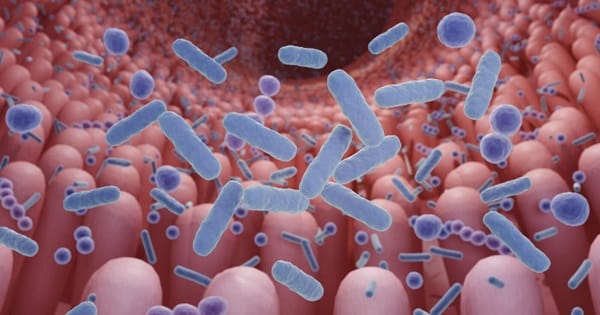
This ecosystem, formed by billions of microorganisms that reside in the digestive tract, is key for numerous physiological functions, such as digestion, nutrient synthesis, the immune response, and communication with the central nervous system.

What is the Gut Microbiota?
The gut microbiota is a complex and dynamic community that groups together bacteria, fungi, viruses, and other microorganisms that inhabit the gastrointestinal tract.
The composition of the gut microbiota can vary according to factors such as diet, age, lifestyle, and the use of medications.
Its activity is vital for the organism, as it participates in the degradation of non-digestible polysaccharides, generating short-chain fatty acids (SCFAs) that nourish and protect the intestinal mucosa.
Furthermore, it synthesizes essential vitamins—such as vitamin K and various B vitamins—and regulates the immunological response, acting as a first line of defense against pathogens.
The communication between the microbiota and the brain, through the gut-brain axis, also influences mood and mental health.
Maintaining a balance (eubiosis) in this microbial community is fundamental, as an imbalance (dysbiosis) has been associated with metabolic, inflammatory, and neurological diseases.
Impact of Beer on the Microbiota
Beer is a fermented beverage that contains diverse bioactive compounds capable of interacting with the gut microbiota. Among them, polyphenols, extracted from barley and hops, stand out for their antioxidant and prebiotic properties.
These compounds act as a substrate for beneficial bacteria, stimulating the proliferation of genera such as Lactobacillus and Bifidobacterium, favoring the production of SCFAs, which reinforce the intestinal barrier and modulate the inflammatory response.
Likewise, the presence of soluble fiber, in particular β-glucans derived from cereals, provides fermentable food for the microbiota, increasing microbial diversity and promoting the generation of beneficial metabolites.
In non-pasteurized beers, the persistence of active yeasts like Saccharomyces cerevisiae offers a probiotic contribution, enriching the intestinal ecosystem and potentiating the local immune response.
Ethanol, the main component of alcohol, exerts a biphasic effect on the microbiota. In moderate doses, it can incentivize greater bacterial diversity; however, excessive consumption alters the microbial balance, favoring the growth of pathogenic bacteria and leading to dysbiosis.
| Compound | Origin | Effect | Benefits |
| Polyphenols | Barley and hops | Stimulate the growth of Lactobacillus and Bifidobacterium | Improved digestion, antioxidant and anti-inflammatory effect |
| β-glucans (soluble fiber) | Cereals (mainly barley) | Fermented by beneficial bacteria that produce SCFAs | Reinforcement of the intestinal barrier and reduction of inflammation |
| Active yeasts (Saccharomyces) | Non-pasteurized or craft beers | Provide a direct probiotic effect and modulate local immunity | Increase in microbial diversity and immune strengthening |
| Ethanol (in moderate doses) | Alcoholic fermentation | Promotes bacterial diversity, although its excess generates dysbiosis | Stimulation of the microbiota in low quantities; risk of alteration if abused |
| Organic acids and SCFAs | Bacterial metabolism of fiber | Produced during intestinal fermentation | Nourish intestinal cells and protect against toxins |
Benefits for Intestinal Health
Scientific studies have evidenced that moderate consumption of beer can favor intestinal health.
The joint action of polyphenols and soluble fiber not only stimulates the diversity of beneficial bacteria, but also improves digestion and strengthens the immunological response.
Furthermore, polyphenols have anti-inflammatory properties that can reduce chronic inflammation in the intestine, contributing to maintaining the integrity of the mucosal barrier and avoiding excessive permeability, popularly known as “leaky gut.”
This stability in the intestinal barrier is crucial to prevent the translocation of toxins into the bloodstream, which can trigger systemic inflammatory responses.
The modulation of the gut-brain axis derived from a balanced microbiota could also positively influence mood, reducing the incidence of disorders such as anxiety and depression, which reinforces the interconnection between intestinal health and mental well-being.

The Importance of the Gut-Brain Axis
One of the most fascinating aspects of the study of the gut microbiota is its interaction with the nervous system, known as the gut-brain axis.
This complex system of bidirectional communication allows intestinal microorganisms to influence the production of neurotransmitters and the modulation of inflammatory responses, which can have a direct impact on mood and mental health.
Beer, through its bioactive compounds, can indirectly contribute to this communication by favoring a more balanced and diverse microbiota.
A healthy intestine, with a well-maintained barrier and optimal metabolic activity, is associated with a lower incidence of disorders such as anxiety and depression, underlining the importance of diet and the moderate consumption of fermented foods.
Moderate and Responsible Consumption
Although evidence supports certain benefits of beer for the microbiota, it is crucial to underline that consumption must be moderate to avoid counterproductive effects.
Excess alcohol can disturb the microbial balance, favoring dysbiosis and increasing the risk of intestinal diseases.
It is recommended to limit consumption to one daily beer for women and up to two for men, always within the context of a balanced diet and a healthy lifestyle.
For those who wish to benefit from the bioactive compounds without the effects of alcohol, non-alcoholic beer offers an interesting alternative, as it retains a large part of the polyphenols and soluble fiber.
The quality of the product is another determining factor: craft beers, made with natural ingredients and often without pasteurization, tend to possess higher concentrations of beneficial compounds compared to industrial beers, which may include artificial additives.
It is also important to consider individual variability, as the response to beer can vary significantly depending on the unique composition of each person’s microbiota.
General Conclusions
Current evidence suggests that beer, when consumed in a moderate manner and in the context of a balanced diet, can be an ally for intestinal health.
Its bioactive components, such as polyphenols, soluble fiber, and, in certain cases, probiotic yeasts, act together to promote greater microbial diversity, strengthen the intestinal barrier, and mitigate inflammation.
However, it is fundamental to remember that beer is not a panacea; its benefits depend on responsible consumption and an integrally healthy lifestyle, which includes a diet rich in nutrients and fiber.
In short, enjoying a good beer in a moderate way can, in addition to offering pleasure, contribute to the general well-being of the intestine and to a better quality of life.
Frequently Asked Questions (FAQ)
Does non-alcoholic beer offer the same prebiotic and microbiota benefits?
Yes, to a large extent. Non-alcoholic beer retains the majority of the bioactive compounds (polyphenols and soluble fiber) that act as prebiotics, stimulating the growth of beneficial gut bacteria (Lactobacillus, Bifidobacterium). By eliminating or drastically reducing the ethanol, the negative effects of excess alcohol on the intestinal barrier and dysbiosis are avoided, making it an excellent alternative for daily consumption that supports the health of the microbiota.
Are there significant differences in the beneficial compounds between craft and industrial beer?
Generally yes. Craft beers (especially unfiltered and non-pasteurized ones) usually contain higher concentrations of bioactive compounds (polyphenols, fiber, and active yeasts) compared to industrial beers. Industrial filtration and pasteurization processes can significantly reduce these elements, suggesting that choosing a quality craft beer could maximize the potential prebiotic effect.
How long does moderate beer consumption take to show a positive effect on the diversity of the gut microbiota?
Although research is specific and variable, some studies evaluating the effects of polyphenol consumption (present in beer) on the microbiota have observed significant changes in bacterial composition in as little as 4 weeks of daily and moderate intake. The beneficial metabolites generated by the bacteria (SCFAs) may begin to be noticeable in a similar timeframe, although the subjective perception of digestive improvement can vary individually.
How does beer consumption, even moderate, specifically influence conditions of intestinal permeability?
While excessive alcohol consumption is directly related to increased intestinal permeability (damaging the barrier), moderate beer consumption can have a protective effect. Its polyphenols and SCFAs (short-chain fatty acids), produced by the fermentation of fiber, contribute to reinforcing the integrity of the intestinal barrier and possess anti-inflammatory properties, which is crucial for combating leaky gut.
Is beer consumption recommended for people suffering from Irritable Bowel Syndrome (IBS)?
The recommendation varies and should be individualized. Although the prebiotic components of beer can be beneficial, alcohol and carbonation are known triggers of symptoms in some people with IBS, especially abdominal distension and spasms. For those seeking the benefits without the irritants, non-alcoholic beer may be a more tolerable option, but one should always consult a nutrition or gastroenterology specialist for a diet adapted to IBS.
References
- Queipo‐Ortuño, M. I., Bravo, L., Pérez‐Caballero, C., Rincón‐Cervera, M., Simón, E., Madrid, J. A., … & Andújar, I. (2013). Influence of red wine polyphenols and ethanol on the gut microbiota. Journal of Agricultural and Food Chemistry, 61(33), 8082–8093.
- Bohn, T. (2014). Dietary polyphenols and the gut microbiota. Food & Function, 5(8), 1733–1740.
- Cardona, F., Andrés-Lacueva, C., Tulipani, S., Tinahones, F. J., & Queipo-Ortuño, M. I. (2013). Benefits of polyphenols on gut microbiota and implications in obesity and metabolic syndrome. Frontiers in Immunology, 4, 1–7.
- Martínez-González, M. A., et al. (2020). Effects of moderate beer consumption on gut microbiota diversity in healthy adults: A pilot study. Frontiers in Nutrition, 7, 45.

We Recommend
- Acetaldehyde in beer: Origin, formation and control strategies
- How to prepare beer crème brûlée: recipe and step by step