This post is also available in:
 Español
  Português
Crème brûlée is a classic French pastry specialty, literally translated as «burnt cream,» consisting of a rich custard topped with a thin layer of caramelized sugar that adds a satisfying crunch.

The earliest records of crème brûlée date back to the French cookbook Nouveau cuisinier royal et bourgeois (1691) by François Massialot, who described it as follows:

It is necessary to put quite a lot of sugar on top, in addition to what is mixed in: take a fire shovel, red-hot, and use it to burn the cream so that it takes on a beautiful golden color.
Nutritional Information
Each serving of beer crème brûlée contains approximately 320 kcal, 20 g of carbohydrates, 24 g of fat, 6 g of protein, 0 g of fiber, 18 g of sugars, 310 mg of cholesterol, and 35 mg of sodium.


Beer Crème Brûlée Recipe
Preparation: 15 minutes
Cooking: 45 minutes
Servings: 6 people
Ingredients
- 500 ml whole milk
- 500 ml heavy cream
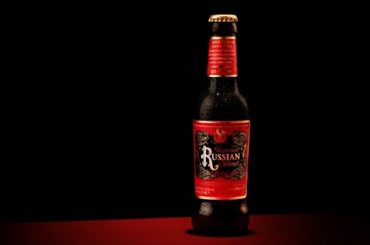
- 330 ml Belgian Blonde Ale
- 150 g white sugar
- 8 egg yolks
Preparation
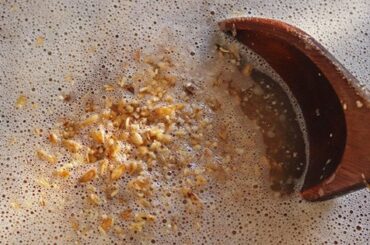
- In a saucepan, pour the beer and cook over medium heat until reduced by 90% (to about 35 ml). In the same saucepan, add the milk and cream. Heat over medium heat until just about to boil. Remove from heat and set aside.
- In a bowl, whisk the egg yolks with the sugar until the mixture is smooth and frothy. Gradually incorporate the hot milk and cream mixture, stirring constantly to prevent the yolks from scrambling. Add the reduced beer and mix well.
- Strain the mixture to remove any lumps and distribute it into individual oven-safe ramekins. Place the ramekins in a baking pan and fill the pan with hot water halfway up the sides (bain-marie). Bake at 110°C for 40 minutes or until the custard is set.
- Remove the ramekins from the oven and let cool to room temperature. Cover with plastic wrap and refrigerate for 4 hours, preferably overnight. Before serving, sprinkle an even layer of sugar and use a kitchen torch to caramelize until golden and crispy.
Additional Tips
When reducing the beer, use a wide-bottomed saucepan to allow for more even and faster evaporation. Do not leave it unattended, as the reduction can go from perfect to burnt in a matter of seconds, so keep a close eye on it.
The Origins of Crème Brûlée
Crème brûlée gained popularity among French nobility in the 18th century, thanks to its elegance and sophistication. Although its origin is attributed to France, some theories suggest that similar versions already existed in England, such as Trinity Cream, and in Spain, as crema catalana, which has sparked debate about its true origins.
Did You Know?
Crème brûlée was one of the favorite desserts of Thomas Jefferson, the third President of the United States. During his time in France as Ambassador, he became so fascinated with this dessert that he brought the recipe back home with the help of his personal chef, who was also of French origin.