To celebrate the centenary, the brewery launched a 33-cl bottle with a commemorative label and a matching crown cap. It also presented a special edition of glasses with an anniversary design and a delicate silver rim.
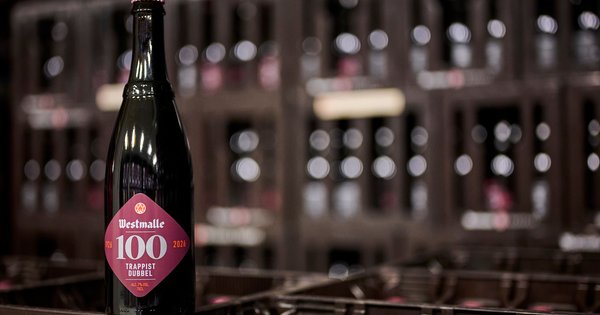

To celebrate the centenary, the brewery launched a 33-cl bottle with a commemorative label and a matching crown cap. It also presented a special edition of glasses with an anniversary design and a delicate silver rim.
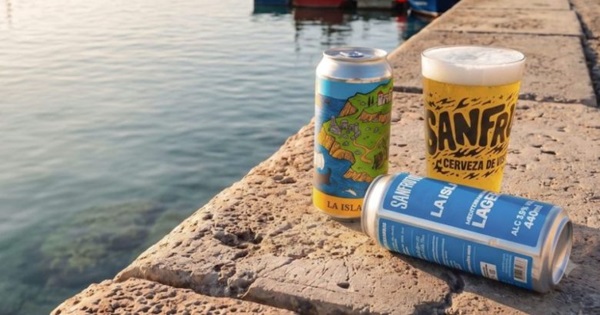
The Spanish Association of Sommellerie and Beer Culture (ASYCCE) has established the Mediterranean Lager as the country’s first officially native style, with a technical description including clear sensory parameters.
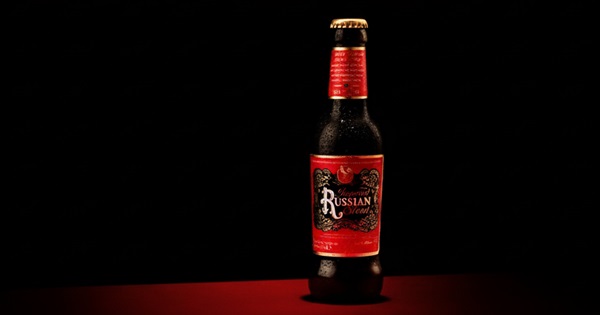
This version, especially the one produced in the 1970s–1990s, became the last direct commercial survivor of the original lineage of 18th-century London Imperial Stouts.

Pliny the Elder is not just a beer; it is a living legend of the American craft beer movement and an absolute benchmark for the Double IPA style, coveted and studied by brewers and enthusiasts worldwide.
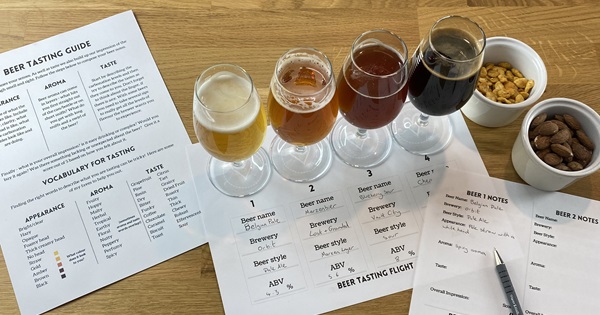
Analyzing a beer requires different perspectives depending on the context and objective. What for a trained judge establishes quantifiable parameters, for a hobbyist consumer can be a memorable sensory experience.

Although the origin of these names cannot be stated with absolute certainty, one of the most common explanations relates to how alcoholic beverages were historically identified.
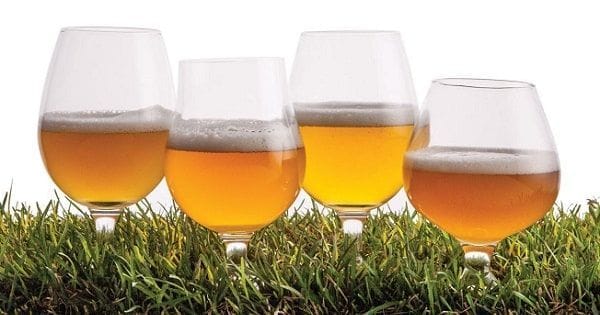
Saison beers were an early form of “fuel” in pre-industrialized Belgian farms, a crucial component for the success of the harvest season in the old farmhouses of the country.

The story of Negra Modelo goes beyond the beer itself; it is a narrative that combines tradition, innovation, and deep cultural roots in Mexico.

Discover how Mathilde Schneider defied the laws of her time and, influenced by European feminism, decided to lead a brewery and create the iconic Aventinus, a beer that revolutionized the industry at the beginning of the 20th century.

Sahti is an ancient beer originating from Finland, recognized for its unique flavor, traditional brewing process, and rustic character, with juniper playing a prominent role.

The distinctive character of Rauchbier dates back to a time when smoky flavor was not a stylistic choice, but an inevitable consequence of the production method in brewing beer.

The brewing of the Gose style was established during the 16th century in the then-prosperous mining city of Goslar, in the north-central region of Germany (present-day Lower Saxony), which had built its wealth through silver extraction.
