This post is also available in:
 Español
  Português
  Français
Duchesse de Bourgogne spends years maturing in oak barrels before reaching the glass—a process that has made it one of the most recognized Flanders Red Ales in Belgium.
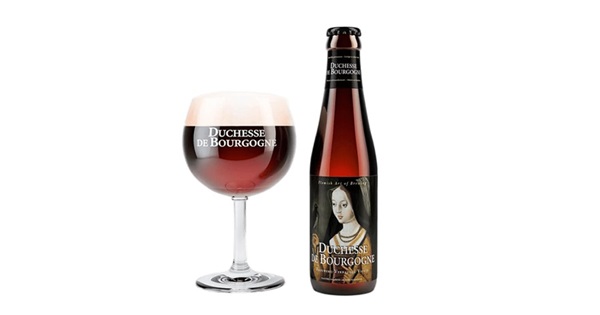
Its bittersweet profile, with moderate acidity and intense fruity notes, represents the classic example of the style within the brewing tradition of Flanders.
General information
Name: Duchesse de Bourgogne
Brewery: Duchesse
Origin: Flanders, Belgium
Style: Flanders Red Ale
ABV: 6.2%
IBU: Not available
Calories: 195 kcal (330 ml)
Glassware: Goblet
Tasting notes and impressions
Each glass of Duchesse de Bourgogne displays a sensory profile built during its long maturation in wood. Below is its behavior at each stage of the tasting.
1. Appearance
The beer shows a dark brown color with reddish highlights, topped by an abundant, creamy head. Retention is good and leaves a fine lace on the glass walls—a visual sign of the balanced carbonation that supports the style.
2. Aroma
The nose is complex and inviting. The first notes recall toasted malt and ripe fruit, then giving way to a profile of cherry, raspberry, and plum intertwined with moderate acidity and a subtle touch of wood and vanilla, a direct inheritance from the barrel.
3. Flavor
On the palate, the bittersweet character of the style is confirmed. Cherry and raspberry flavors stand out, followed by plum and grape, while a light touch of caramel and honey softens the acidity without overpowering it. The result is a balanced yet complex beer with a marked fruity personality.
4. Mouthfeel
The body is medium, supported by lively carbonation that enhances the acidity and lightens each sip. The finish is dry, with a slight touch of bitterness that cuts through the initial sweetness and leaves the palate ready for the next sip—a quality that explains why it is perceived as so refreshing and easy to drink despite its complexity.
5. Overall impression
Duchesse de Bourgogne condenses in a glass the result of a slow maturation process in oak barrels—a technique that few breweries sustain with this consistency. That time in wood gives it a depth of flavor that distinguishes it from the rest of the Flanders Red Ales available in the mass market. It is a beer for those seeking something beyond direct bitterness or sweetness—an exercise in controlled acidity and ripe fruit that earns its place among the style’s references.

Suggested pairings
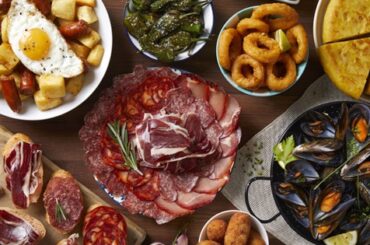
The acidity and fruity profile of Duchesse de Bourgogne make it a versatile beer when it comes to pairing with food, with clear affinities in four categories.
1. Main courses
Roast duck or lamb find an ideal counterbalance in this beer, as the acidity cuts through the dish’s fat and refreshes the palate between bites. The combination works especially well in preparations with dark sauces or sweet reductions, where the beer’s fruity profile dialogues with the dish rather than competing with it.
2. Cheeses
Blue cheese and brie are the most natural options. The creaminess of both absorbs the beer’s acidity, while the fruity notes of cherry and plum enhance the salty character of the blue and the unctuousness of the brie.
3. Vegetarian dishes
A mushroom risotto or grilled mushrooms take advantage of the umami of the mushrooms, which Duchesse de Bourgogne’s acidity balances without dulling. The creamy texture of the risotto also works as a contrast with the beer’s lively carbonation.
4. Desserts
Desserts with red fruit, such as a cherry tart or raspberry cake, extend the beer’s fruity profile toward the sweet dish. The touch of caramel and honey present in the flavor sustains the connection with desserts based on ripe fruit.
Frequently Asked Questions (FAQ)
1. What is a Flanders Red Ale?
It is a traditional Belgian beer style from the Flanders region, characterized by its reddish color, moderate acidity, and prolonged maturation in oak barrels. The mixed fermentation process, with yeasts and bacteria that develop for months or years in wood, produces the bittersweet profile that distinguishes the style.
2. Why does Duchesse de Bourgogne have a bittersweet taste?
The bittersweet flavor comes from fermentation in oak barrels, where lactic and acetic bacteria coexist with yeast over an extended period. That process generates organic acids that combine with the residual sugars from the malt, resulting in the balance between fruit, acidity, and a final touch of sweetness.
3. At what temperature is Duchesse de Bourgogne served?
It is recommended to serve it between 8 and 12°C—a range that allows appreciation of both the fruity aromas and the acidity without excessive cold masking the complexity of the profile. Serving it in a goblet helps concentrate the aromas toward the nose.
4. What foods does Duchesse de Bourgogne pair best with?
It pairs well with intensely flavored meats like duck or lamb, creamy cheeses like brie or blue, vegetarian dishes with mushrooms, and red fruit desserts. The beer’s acidity acts as a counterbalance in each of these combinations.
5. Who is Duchesse de Bourgogne recommended for?
It is a beer meant for those who want to explore beyond conventional styles, with a particular interest in bittersweet profiles and fruity complexity. It is also a good entry point into the world of Flanders Red Ales for those just approaching Belgian mixed-fermentation beers.
We Recommend
- What is a Flanders Red Ale? 3 examples you should try
- Chimay Dorée (Blonde): Tasting notes and recommended pairings