To celebrate the centenary, the brewery launched a 33-cl bottle with a commemorative label and a matching crown cap. It also presented a special edition of glasses with an anniversary design and a delicate silver rim.
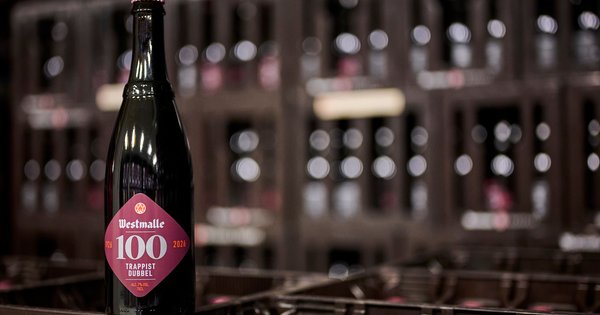

To celebrate the centenary, the brewery launched a 33-cl bottle with a commemorative label and a matching crown cap. It also presented a special edition of glasses with an anniversary design and a delicate silver rim.
Although the origin of these names cannot be stated with absolute certainty, one of the most common explanations relates to how alcoholic beverages were historically identified.
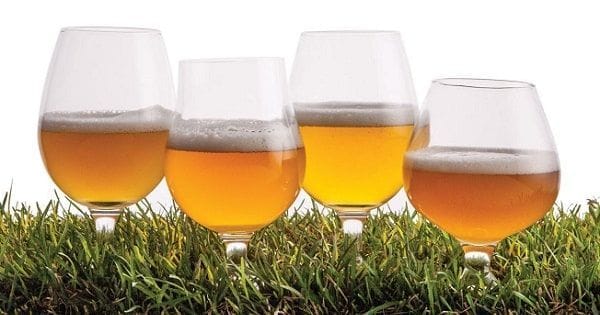
Saison beers were an early form of “fuel” in pre-industrialized Belgian farms, a crucial component for the success of the harvest season in the old farmhouses of the country.

The history of the St. Bernardus Brewery is strongly linked to two Trappist abbeys since the monks of Catsberg Abbey (Mont des Cats) decided to move to Belgium and settle in the small town of Watou.
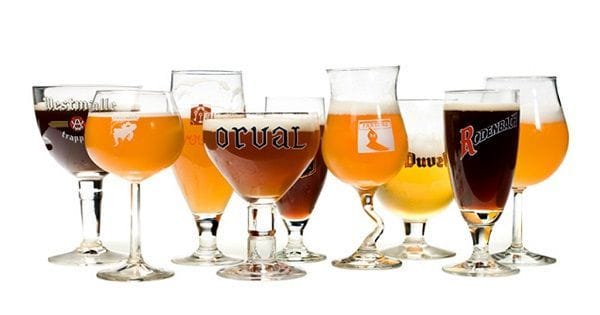
Choosing the best Belgian beers in what is a true paradise for beer lovers is no easy task. Declared an Intangible Cultural Heritage of Humanity, the beers produced by this small country are of unquestionably recognized quality.

Westmalle Tripel is a Belgian Trappist beer brewed by Brouwerij der Trappisten van Westmalle and first introduced to the market in 1934, being a pioneer of its style and marking a milestone in the country’s brewing tradition.
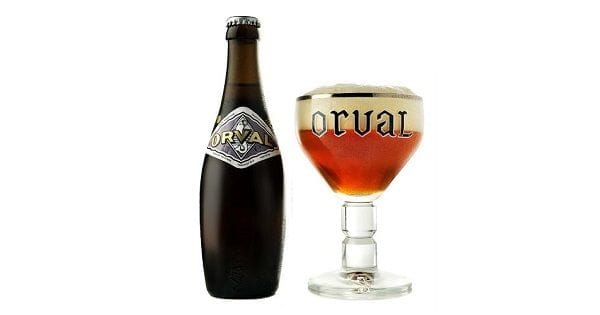
Unlike all other Trappist breweries, Orval produces only one variety of beer for the general public, with just 15% of its total production available for export.
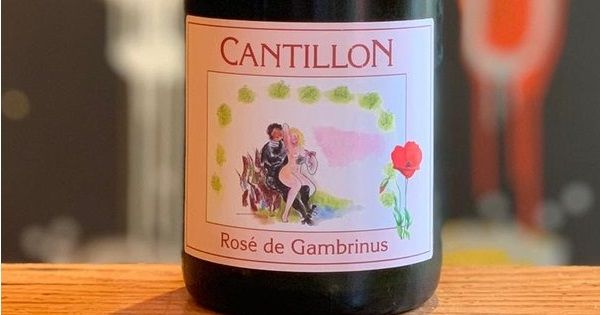
Cantillon Rosé de Gambrinus is a traditional raspberry lambic (framboise) brewed annually in Brussels since 1909, although the current name was only first used in 1986.
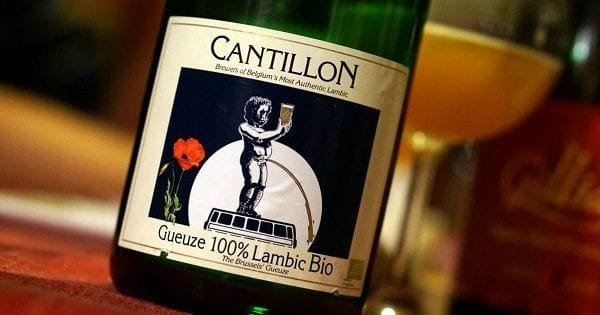
Lambic, Gueuze, and their various variants are a living relic of a time when all beer was fermented at the mercy of nature.

Pierre Celis was the man who put the small Belgian village of Hoegaarden on the world beer map when in the 1960s he revived a beer style made with wheat, spices, and fruit known as Witbier (white beer).
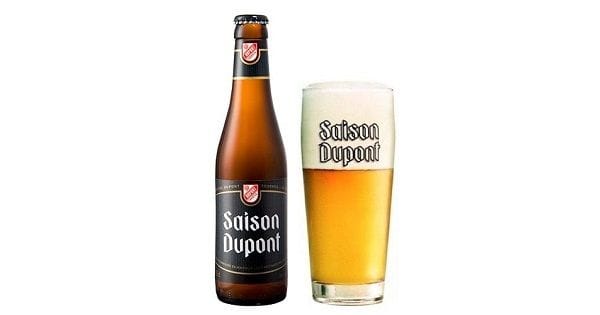
Saison Dupont is a Belgian top-fermented beer, bottle-conditioned, brewed since 1844 during the winter to quench the thirst of the “saisoniers” who would work in the fields during the summer.

Things have changed a great deal in a world predominantly dominated by men, as Trappist Abbey breweries have been for the last few decades.
