Beer is a perfect example of what in anthropology is known as cultural convergence, a phenomenon in which civilizations separated by oceans and millennia arrived at the same technological solution without having influenced each other.
The cold chain essentially means that the product being distributed is kept refrigerated at a constant temperature at all times, including during transportation.
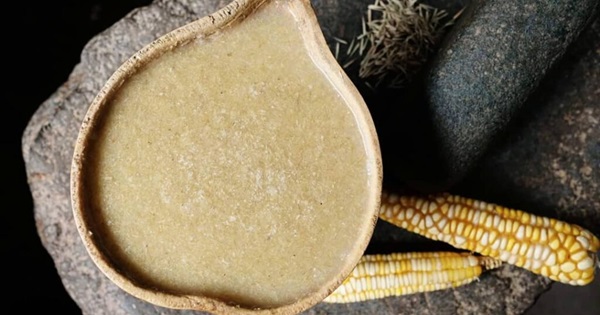
Tesgüino is a corn beer produced by the Rarámuri in the Sierra Tarahumara, Chihuahua, which still remains integrated into their labor exchange systems, ritual organization, and identity reproduction.
Unlike the initial perception of flavor, the aftertaste manifests in a late phase, when sapid molecules interact with specific areas of the tongue and the retronasal olfactory epithelium.
Next Glass acquired BeerAdvocate in February 2020 in a deal that brought under one roof the oldest beer review community on the internet and the world’s most popular consumption tracking app.
Despite their popularity among brewers, these events are not always perceived by the market as a showcase of innovation and quality, but rather as a mirror that mainly reflects the industry’s limitations.
Artículos destacados
The combination of beer with Coca-Cola and fruit liquor is a curious German cocktail called Goassmass or Goass, very popular in the 80s and which has resurged with new generations.
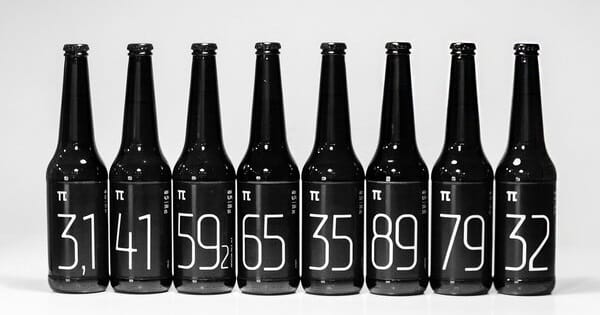
However, as we delve into the engineering and science behind beer production, we discover a fascinating relationship between π and beer, especially relevant today, March 14, when we celebrate Pi Day.
Chimay Bleue is an iconic beer from the Belgian abbey of the same name that, with its wealth of flavors and complexity, has earned a special place in the hearts of beer lovers around the world.
A clay tablet from the Ur III period decoded in Copenhagen records more than 120 liters of beer distributed over two consecutive days in ancient Mesopotamia, distinguishing between good beer and ordinary beer. The oldest administrative document known to formally classify beer quality.
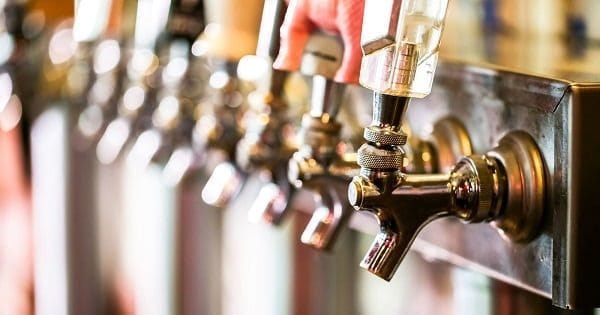
Craft and independent brewers dedicate a great deal of time, effort, and resources to making the best beer possible, but all of this hard work can be ruined in the time it takes the beer to travel from the keg to the pint.
Beer foam (collar or head) is one of those things that has a specific name that most people are unaware of: ‘Giste’, a word that comes from the German ‘Gischt’, which precisely means foam.
Despite their popularity among brewers, these events are not always perceived by the market as a showcase of innovation and quality, but rather as a mirror that mainly reflects the industry’s limitations.
Yeasts are more diverse than we think; there are thousands of species and they inhabit almost all natural environments on the planet, being used in food production and/or to produce antioxidant compounds and sunscreens.
Serving beer in a frozen glass might seem like a good idea, but it actually destroys its aromas, dilutes it with water, and produces flat, lifeless foam. Here is why you should avoid it.
Moderate consumption of beer can have beneficial effects on women’s health at different stages of their lives, such as pregnancy, breastfeeding, menopause, and the prevention of osteoporosis or Alzheimer’s.
The term “hop burps” is commonly used to describe a peculiar phenomenon of rapid and frequent burps experienced after consuming beers with a high hop content.
Rinsing the glass is the last of multiple equally important stages for beer service, but it is completely irrelevant if the glass being rinsed has not been properly washed beforehand.
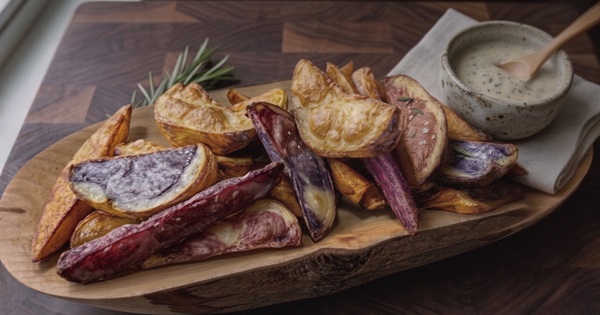
The Belgians point to fishermen from the Meuse River, who fried potato strips when the waters froze in the 17th century. The French point to street vendors at Paris’s Pont Neuf, who popularized them in the late 18th century.
Like any product of agricultural origin, cider has very specific production rhythms tied to the seasons. Of course, the key in this case lies in the apple.
The combination of beer with Coca-Cola and fruit liquor is a curious German cocktail called Goassmass or Goass, very popular in the 80s and which has resurged with new generations.
The sober curious movement is defined as the introspective practice of questioning one’s personal relationship with alcohol, prioritizing physical and mental well-being without the need to adopt a label of absolute abstinence or addiction recovery.
Chile’s Agricultural and Livestock Service (SAG) has taken an initiative to promote the development of Family Farming (AFC) and recognize the traditional “Pipeño” as a unique alcoholic beverage distinct from wine.
The richness of Mexican gastronomy lies not only in the diversity of its ingredients but also in the cultural depth…
The AFNOR glass — also known as the ISO glass — was originally developed in France to standardize a vessel for sensory analysis of wines and fermented beverages. Today it is also used for professional beer tasting.
Duvel Moortgat is a family brewery founded in 1871 by Jan-Leonard Moortgat in the town of Breendonk, being one of the more than 3,000 breweries operating in Belgium at that time.
Historical records place the origin of kombucha in northeastern China, around 220 BC, where it was prepared as a medicinal drink known as hóngchájūn (red tea fungus, equivalent to black tea in the West).
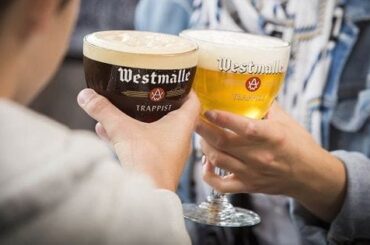
The Trappist monastery of Malle, founded in 1794, achieved abbey status on April 22, 1836. The monks were authorized to drink the most famous beverage of Flanders — beer — during meals.
Science had just emerged as a profession, yet it was a self-taught textile merchant who became one of the greatest scientific celebrities in all of Europe.
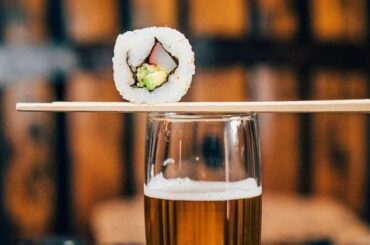
Nothing beats a good beer to accompany good sushi, but even today, unfortunately, most sushi bars do not have a very varied selection of beers on offer.
This holiday, which began as a religious celebration, has evolved into a global event honoring Irish culture with parades, music, food, and of course, beer.
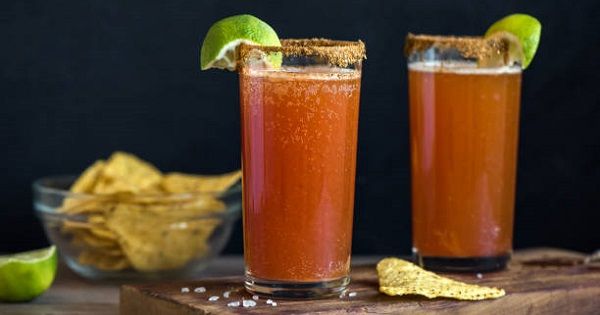
The michelada is a cocktail made with pale lager beer that has its origins in Mexico; however, its popularity was such that over time different countries adapted the recipe into their own representative version.
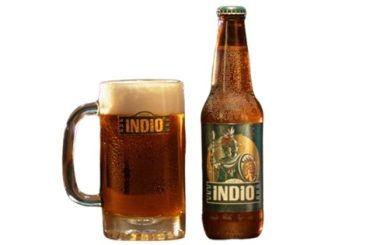
Indio is one of Mexico’s most iconic beers, with a rich history dating back to 1893. It emphasizes the use of local ingredients and traditional brewing techniques.
Unlike all other Trappist breweries, Orval produces only one variety of beer for the general public, with just 15% of its total production available for export.
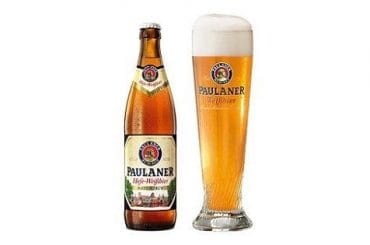
Paulaner Hefe-Weissbier, a German wheat beer with notes of banana, clove, and citrus, is perfect for pairing with Bavarian dishes, fresh cheeses, roasted vegetables, and citrus desserts. Its unique flavor and versatility make it ideal for any occasion.
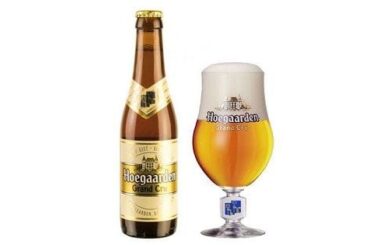
Hoegaarden Grand Cru is a Belgian Strong Ale brewed by Hoegaarden Brewery in Belgium, with 8.5% ABV, 29 IBU and 255 calories, best served in a Tulip or Snifter glass.
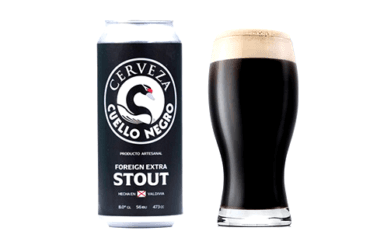
Cuello Negro Stout is a craft beer made with pure water from the Valdivian rainforest in southern Chile, whose flavor comes from a careful brewing process that gives it an unmistakable distinctive character.
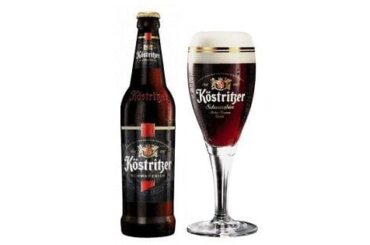
Köstritzer Schwarzbier is a bottom-fermented black lager. It has been produced since 1543 by the Köstritzer Schwarzbierbrauerei brewery, in the German state of Thuringia.
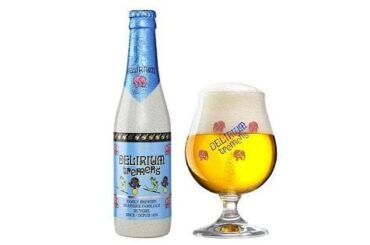
Delirium Tremens is a Golden Belgian Strong Ale style beer originating from Melle, Belgium, brewed by Brouwerij Huyghe, with 8.5% ABV, 200 calories, and 26 IBU.
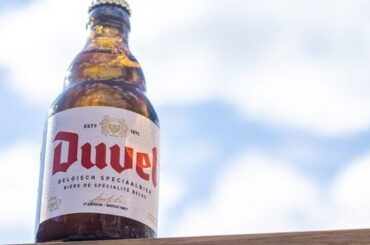
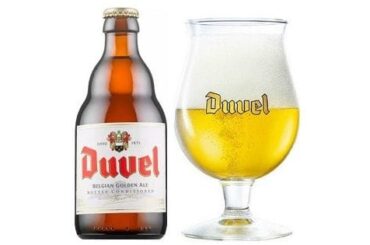
Duvel is an emblematic Belgian beer that, since its creation in the 1920s, has achieved iconic status in the beer world for its complexity and balance.
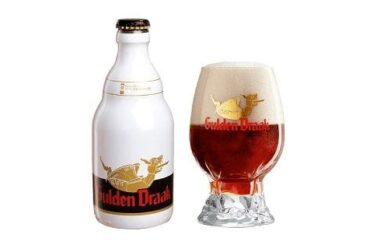
Gulden Draak is a Belgian strong ale-style beer originating from Ertvelde, Belgium, and brewed by Brouwerij Van Steenberge, with 10.5% ABV, 18 IBU, and 255 total calories.
The yeast Saccharomyces cerevisiae is found in beer, wine, and bread, but also in research laboratories, as it is the organism that initiated modern biochemistry and molecular biology and remains a fundamental testing ground for science.
A Kantar Millward Brown annual study reveals that 5 of the 6 most valuable brands in Latin America are beer brands. Discover which beer leads sales in each country of the region.
We invited Rob Tod, founder of Allagash Brewing Co., to share 20 practical lessons for brewery success learned over 25 years of activity. This was his response.
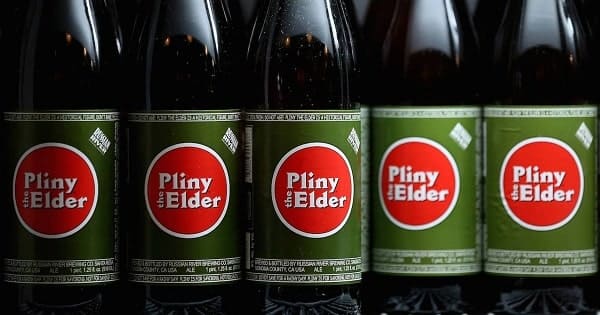
The beer Pliny the Elder takes its name in honor of the Roman traveler, naturalist, historian, and writer Gaius Minor Plinius Caecilius Secundus, who is credited with having given the first botanical name for hops.
Next Glass acquired BeerAdvocate in February 2020 in a deal that brought under one roof the oldest beer review community on the internet and the world’s most popular consumption tracking app.
To start this top 10 of the best-selling beers in the world, we can comment that for 2020, most of them are on the way to generating an impressive sum of 688.4 billion dollars in sales.
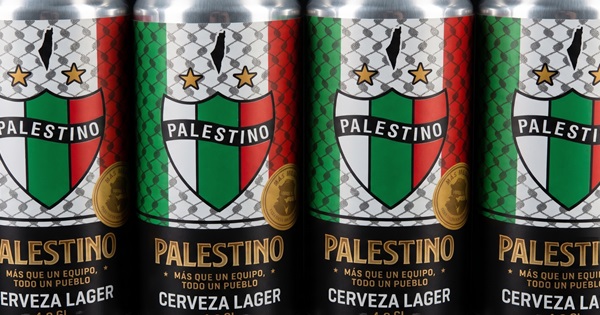
Over 500,000 people of Palestinian descent live in Chile today, where second, third, and fourth-generation families keep alive the language, traditions, and memory of a territory many have never been able to return to.
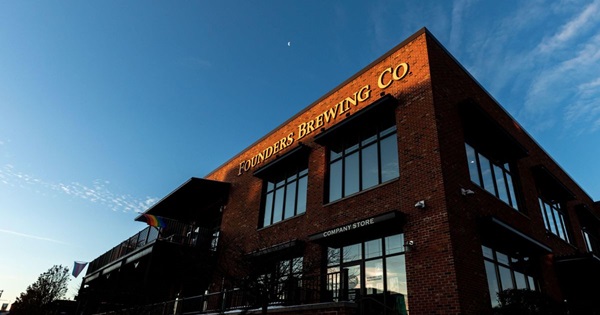
Mahou San Miguel has announced the acquisition of 100% of Founders Brewing, one of the most prestigious craft breweries in the United States, based in Grand Rapids, Michigan.
France is famous for its exquisite gastronomy. Although primarily known for wine production, beer has also been a popular beverage in France for centuries.
Traditional SEO is shifting ground. It’s no longer enough to optimize to appear on Google’s first page; the battle is now fought in the responses of large language models (LLMs).
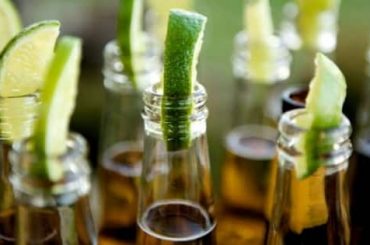
Why is a slice of lemon placed on the neck of clear glass beer bottles and not on others? It is a mystery that has never really been clear until now.
A team at Chalmers University of Technology has developed a biodegradable construction material made from baker’s yeast, algae alginate, wood cellulose, and vegetable glycerol—3D printable at room temperature with no heating, no support structures, and no waste.
Bottle openers have become part of our personal toolkit, whether attached to our key ring, in our backpack, or as a basic kitchen utensil when going camping.
You do not simply request an "IPA recipe"; instead, you instruct Claude Code to first analyze the ingredient inventory, evaluate the cooling capacity of the equipment, and propose a mashing process that favors the desired final body.
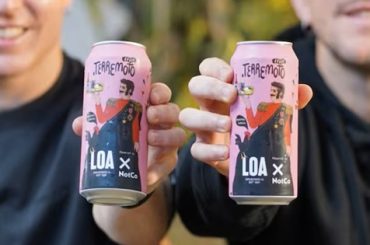
The beverage, named “Ocho punto ocho” (8.8), combines the characteristic flavor of the terremoto with a different nutritional profile, standing out for its lower sugar content and half the calories compared to the homemade version.
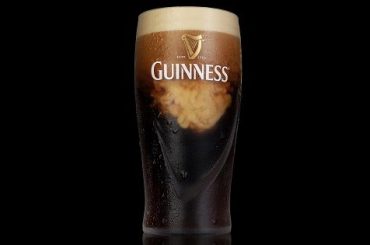
Nitro beer has been dismissed as a passing trend more than once — yet it keeps finding new fans and new formats. From the Guinness widget to nitro Cream Ales and Lagers, here is the science and history behind the nitrogen revolution in beer.
Pressurization with liquid nitrogen enables lighter, thinner PET bottles without compromising structural integrity — reducing plastic use and distribution costs.
The STC-1000 temperature controller lets you manually program a precise temperature range for your fermenter inside a refrigerator, freezer, or appropriately sized cooler.
A refractometer is an optical instrument that measures the sucrose concentration of a solution based on the refractive index produced by light in that solution.
The cold chain essentially means that the product being distributed is kept refrigerated at a constant temperature at all times, including during transportation.
Craft and independent brewers dedicate a great deal of time, effort, and resources to making the best beer possible, but all of this hard work can be ruined in the time it takes the beer to travel from the keg to the pint.
The PERP framework offers a structural model for understanding how global warming alters the biological cycles of barley and hops, with concrete responses to maintain quality and economic viability.
Google’s algorithm doesn’t always prioritize specialized beer media, but now it allows you to add The Beer Times as a preferred content source in Google Discover in less than a minute.
Tradition holds that Pythagoras, the celebrated mathematician and philosopher who founded his school in Croton, in southern Italy, grew tired of watching some of his disciples abuse wine during symposia.
In Tusheti, a remote region of the Georgian Caucasus, the sacred drink is not wine but aludi: a beer brewed with sun-malted barley and wild hops whose recipe has been passed down from grandmother to granddaughter for centuries.
A clay tablet from the Ur III period decoded in Copenhagen records more than 120 liters of beer distributed over two consecutive days in ancient Mesopotamia, distinguishing between good beer and ordinary beer. The oldest administrative document known to formally classify beer quality.