This post is also available in:
 Español
 Português
 Français
Cerveceros de España, the Spanish brewers’ association, has officially coined the term zitoturismo (zythotourism in English) to bring together the guided tastings, brewery visits and walks through barley and hop fields that millions of people already enjoy in Spain without a shared name to identify them.
The word comes from the Greek cytho or zythos, an ancient term for fermented cereal drinks. With it, the association set out to replace informal labels such as cerveturismo or birraturismo and turn beer tourism into a strategic product with a name of its own, much like what wine tourism represents for wine.

A New Name for Activities That Already Exist
Zitoturismo does not describe an invented activity. It gathers under a single concept experiences that were already part of Spain’s tourism offer, such as guided tastings, brewery tours and routes through barley and hop fields.
We wanted to take this term to bring together all the activities people already do and love, explains Eduardo Olmedo, deputy to the management of Cerveceros de España.
The logic is similar to the one that once turned beer tourism in the Belgian region of Flanders into a recognizable destination, although Spain starts from a different place because the country already has its own industrial and agricultural base on which to build the story.
The Economic Weight Behind the Term
Beer generates more than 5.2 billion euros in tourist spending in Spain, a country that welcomes almost 100 million international visitors every year.
More than 90% of the raw materials used by Spanish breweries come from local farmland. Spain also ranks as the second largest beer producer in Europe with more than 250 active brewing facilities.
That productive base is precisely what sets zitoturismo apart from a simple marketing label, because it connects directly with the farming work behind every glass, something that also comes up in the conversation about Mediterranean Lager, the first beer style of its own that Spain has presented as part of building a national beer identity.
From Barley Fields to Hop Routes
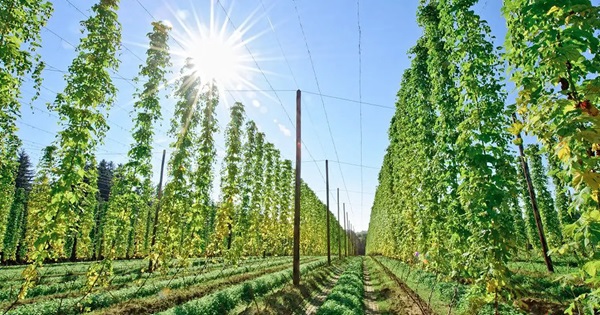
Barley plantations are concentrated mainly in Castile and Navarre, while hop fields are spread across León, Asturias, Galicia, Catalonia and Navarre.

That geographic spread is part of the core argument for zitoturismo, since it makes it possible to design routes through regions far from the traditional tourist circuits.
The result points to tourism that is more evenly distributed across the country, in line with what specific experiences such as pet friendly beer tourism already pursue, designed for visitors who combine the beer route with other interests during their trip.
A Mirror of Wine Tourism to Revitalize Rural Spain
Cerveceros de España presents zitoturismo as a driver of rural revitalization comparable to wine tourism, able to hold together areas that depend on beer farming and to offer a sustainable, decentralized form of tourism as an alternative to the country’s most crowded destinations.
The strategy also seeks to build on other conversations already running through the sector in Spain, such as the impact of the new alcohol law on bars and hospitality, a regulatory front that coexists with the commercial push beer tourism is now receiving.
Frequently Asked Questions (FAQ)
1. What is zitoturismo?
It is the term that groups together tourism experiences centered on beer, such as guided tastings, brewery tours and routes through barley and hop fields, officially promoted by Cerveceros de España.
2. Where does the word zitoturismo come from?
It comes from the Greek cytho or zythos, an ancient term used to refer to fermented drinks made from cereals.
3. Who promoted the term zitoturismo?
The industry association Cerveceros de España, which sought to replace informal labels such as cerveturismo or birraturismo with a single concept structured as a tourism product.
4. How much does beer tourism contribute to the Spanish economy?
Beer generates more than 5.2 billion euros in tourist spending in Spain, a country that receives almost 100 million international visitors a year and is the second largest beer producer in Europe with more than 250 brewing facilities.
5. Where are the zitoturismo routes concentrated in Spain?
Barley plantations are mainly in Castile and Navarre, while hop fields are spread across León, Asturias, Galicia, Catalonia and Navarre.

Recommended
- The revival of beer tourism in the Belgian region of Flanders
- Spain presents its first lager beer style of its own