This post is also available in:
 Español
  Português
  Français
A report from the consulting firm Roland Berger projects that global alcohol volume could be cut in half by 2050, in line with a sustained decline in consumption among young people that is already reflected in the 2025 balance sheets of the major Spanish breweries.
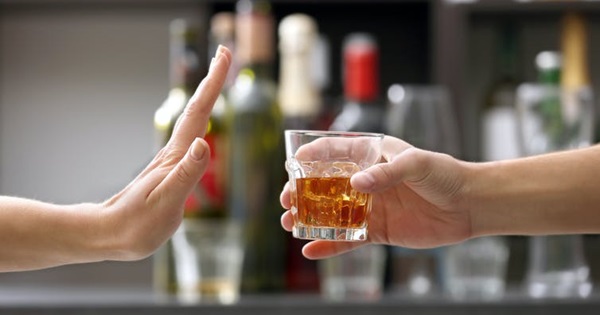

Public health research, both nationally and globally, confirms a profound change in consumption patterns. This shift in leisure habits forces the entire alcoholic beverage industry to rethink its business model years in advance.
Consumption Falls Most Sharply Among Young People
The decline is especially marked among young people aged 15 to 24, who have reduced their usual consumption by around 60% over the last two decades. Spain is the fifth country in the European Union with the most abstainers.
According to data from the Ministry of Health, 48% of the Spanish population drank alcohol at least once a week in 2006. By 2023, that percentage had fallen to 31%, a retreat of 17 points in less than two decades that places the phenomenon far from a passing fad.
A Global 50% Drop Is Projected for 2050
The scope of this restructuring is evident in the Roland Berger study, which projects that global alcohol volume could be cut in half by 2050.
The consultancy frames the phenomenon as a structural transition of the industry, not as a passing economic cycle that will correct itself over time.
Fernando López de los Mozos, Senior Partner at Roland Berger, summarizes the diagnosis in a LinkedIn post collected by the report.
The companies that lead the 2035 market will not be those that have best managed the volume decline. They will be those that have used this window to redefine the business from within, in technology, in portfolio diversification, and in regulatory architecture.
2025 Results Already Reflect the Slowdown
The four main Spanish breweries closed 2025 with a combined profit of 457 million euros, a decrease of 23% compared to the previous year. Per capita consumption, according to López de los Mozos, retreated 4.4% in the same period.
Overall, the beer sector fell 1% in sales. Hijos de Rivera was the exception, with growth of 4.4% to 569 million liters and a profit of 110 million euros for its Estrella Galicia brand, 15.8% more than in 2025.
Tourists helped cushion the fall in domestic consumption, boosting demand in the hospitality sector and thus sustaining the sector’s overall figures.
The Erosion of the Mid-Range and the Rise of the Extremes
The report forecasts the progressive erosion of the mid-range in the alcoholic beverage sector, along with increasingly demanding regulation on labeling, advertising, and sales. Future profitability, according to Roland Berger, will shift toward three very distinct extremes.
- The first is the luxury segment, where margin sustains the business even with lower volume.
- The second is high-tech non-alcoholic alternatives, capable of replicating body and flavor without the ethyl component.
- The third is the bioeconomy derived from fermentation, which opens up adjacent businesses for breweries outside of the beverage itself.
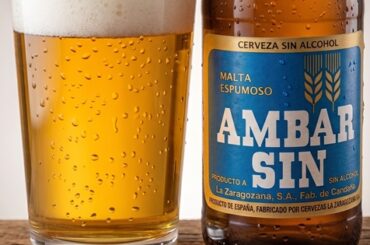
Spain already has a pioneering precedent on the second front with the first Spanish alcohol-free beer, which turned 50 in 2026.
Health and Fiscal Pressure Add Up
The industry’s shift does not occur in the regulatory vacuum suggested by the Roland Berger note. The World Health Organization classifies alcohol as a Group 1 carcinogen, the highest risk category alongside tobacco, asbestos, and radiation, and maintains that there is no safe level of consumption.

According to the organization itself, half of the cancers attributable to alcohol in the WHO European region are caused by light or moderate consumption, not only by abuse.
This stance is already translating into concrete regulation. Ireland will become the first European country in 2026 to require health warning labels on alcoholic beverages, following the path opened by South Korea, a move reminiscent of the alcohol labeling law already in force in Chile.
It is the type of measure that Roland Berger anticipates as part of the regulatory architecture that breweries will have to manage from now until 2035.
In Spain, fiscal pressure still does not accompany health pressure. The Tax Agency acknowledged in a recent analysis that the special tax on beer has gone almost 20 years without being updated, to the point that its real value, after discounting accumulated inflation, falls below what it represented in 1995.
The absence of updating the rates, in the case of beer, has been the case for almost 20 years.
The organization itself admits that Spain is close to the minimum required by European regulations, well below the usual rates in the rest of the continent. The contrast is notable: while public health hardens its discourse on alcohol, Spanish taxation on beer remains frozen.
Sources: WHO (Group 1 carcinogen, no safe level), Ireland 2026 (first European country with health labeling, after South Korea), AEAT/Hacienda (real data, already used in an article published in BeerMagazine, id 29386, which cites that analysis verbatim).
How Each Major Brewing Group Responds
López de los Mozos details that each major group faces the problem differently. Mahou San Miguel is moving toward the Middle East by pushing alcohol-free beers and new business models close to the hospitality sector, a strategy that had already been taking shape since Mahou San Miguel acquired 100% of the Founders Brewing operation.
Heineken España is launching new 0.0 references, and Damm is adding Nestea to its portfolio to gain ground outside of traditional beer. Hijos de Rivera, the only one of the four majors that grew in 2025, has already announced that it will reduce beer’s weight in its mix from the current 80% to 60% in 2030.
The underlying movement connects with investor interest in the stock market of the major global breweries, where portfolio diversification is beginning to weigh as much as volume sold.
Frequently Asked Questions (FAQ)
1. How much will global alcohol consumption fall according to Roland Berger?
The report projects that global alcohol volume could be cut in half by 2050, in line with the sustained decline in consumption among young people over the last two decades.
2. How did the Spanish beer sector evolve in 2025?
The sector fell 1% in sales overall. The four main breweries closed the year with a combined profit of 457 million euros, 23% less than the previous year, although Hijos de Rivera grew 4.4%.
3. Why is alcohol consumption falling among young people?
Young people aged 15 to 24 have reduced their usual consumption by around 60% over the last two decades, in a change in leisure habits that public health authorities document both nationally and globally.
4. How are the major breweries responding to this trend?
Each group faces it differently. Mahou San Miguel is betting on alcohol-free options and new business models, Heineken España is launching 0.0 references, Damm is adding Nestea to its portfolio, and Hijos de Rivera plans to reduce beer’s weight in its mix from 80% to 60% by 2030.

We Recommend
- Is Alcohol-Free Beer Technically Beer? An Analysis from Multiple Perspectives
- Heineken Opens Mega Brewery for 462 Million Dollars in Brazil