This post is also available in:
 Español
  Português
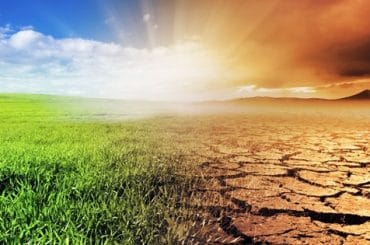
Climate change is not only transforming ecosystems and altering weather patterns but is also putting at risk one of humanity’s most iconic cultural products: beer.


This ancient beverage, which has accompanied entire civilizations, relies on key ingredients like hops and barley—crops that are highly sensitive to climatic variations.
As global temperatures rise and extreme weather events become more frequent, beer production faces unprecedented challenges.
Raw Materials at Risk
Beer is the result of a careful combination of ingredients: water, malt (usually from barley), hops, and yeast.
However, two of these key components—hops and barley—are under increasing pressure due to climate change.
These crops, which have been the foundation of beer for centuries, are seeing reduced yields and altered essential characteristics.
1. Hops (Humulus lupulus)
Hops are a fundamental ingredient in beer, responsible for its bitterness and characteristic aromas.
However, they are extremely sensitive to climatic conditions.
Traditional hop-growing regions, such as Hallertau in Germany, Yakima in the United States, and Žatec in the Czech Republic, have experienced declining yields due to prolonged droughts and heatwaves.
In Europe, hop production has decreased by 13% over the past 20 years due to climate change.
If global temperatures rise by 2°C above pre-industrial levels, hop production could decline by up to 18% by 2050.
Rising temperatures are altering alpha-acid levels, key compounds for hop bitterness.
In some regions, alpha-acid levels have dropped by up to 20%, affecting the flavor of popular styles like IPAs.
In Yakima, USA, which produces 75% of the country’s hops, farmers have reported yield losses of up to 15% due to recurring droughts.
Barley (Hordeum vulgare)
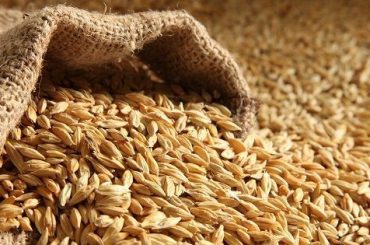
Barley is another pillar of beer production that is also under threat. This cereal is essential for fermentation, as it provides the sugars needed for yeast to produce alcohol.
However, barley is particularly vulnerable to high temperatures and water scarcity, conditions that are becoming more common due to climate change.
In Canada, one of the largest barley exporters, yields have fallen by 10% over the past decade due to droughts and heatwaves.

Lower-quality barley, with reduced starch levels, can hinder fermentation efficiency.
In Australia, the protein content of barley has increased by 5%, affecting its suitability for beer production.
In Northern Europe, where 60% of the world’s beer barley is grown, farmers have reported yield losses of up to 7% due to extreme weather conditions.
Economic Consequences
The impact of climate change on raw materials is already reflected in production costs.
Craft breweries, which rely on high-quality ingredients and operate on a smaller scale, are the most affected.
The price of hops has increased by 20% over the past five years, while barley costs have risen by 15% in the same period.
Small breweries have had to raise their product prices by 10% to 15% to offset higher raw material costs.
If current trends continue, beer production costs could increase by up to 30% by 2030, affecting both producers and consumers.
Innovations and Adaptations
Scientists are developing new varieties of hops and barley that require less water and are more heat-resistant.
In Slovenia, the Hop Research and Brewing Institute has created the “Aurora” hop variety, which is 15% more drought-resistant.
In Canada, the University of Saskatchewan has developed the “CDC Copeland” barley, which tolerates heat better and requires less water.
Some breweries are exploring innovative techniques to ensure a stable supply of raw materials.
In Oregon, USA, Hopworks Urban Brewery has reduced its water consumption by 25% through drip irrigation systems.
In Spain, Cervezas La Virgen has implemented a water recycling system that reduces consumption by 30%, lowering both environmental impact and operational costs.
The Future of Beer
The future of beer largely depends on the actions taken today.
If greenhouse gas emissions continue to rise, beer production could become more expensive and less accessible.
However, if the industry and governments collaborate to implement sustainable practices and reduce the impact of climate change, these effects can be mitigated.
Final Thoughts
Climate change represents an unprecedented challenge for the beer industry, but it is also an opportunity to innovate and adopt more sustainable practices.
Collaboration among scientists, farmers, breweries, and consumers will be key to ensuring that future generations can continue to enjoy high-quality beer.
References
- Mozny, M., Trnka, M., Vlach, V., Zalud, Z., & Potopova, V. (2020). The impact of climate change on the yield and quality of hops (Humulus lupulus L.) in the Czech Republic. Agricultural and Forest Meteorology, 291, 108081. https://doi.org/10.1016/j.agrformet.2020.108081
- Xie, W., Xiong, W., Pan, J., Ali, T., Cui, Q., Guan, D., Meng, J., Mueller, N. D., Lin, E., & Davis, S. J. (2018). Decreases in global beer supply due to extreme drought and heat. Nature Plants, 4(11), 964–969. https://doi.org/10.1038/s41477-018-0263-1
- European Environment Agency (EEA). (2019). Climate change adaptation in the agriculture sector in Europe (Informe técnico No 04/2019). https://www.eea.europa.eu
- Hop Growers of America. (2021). 2021 statistical report. https://www.usahops.org
- Food and Agriculture Organization of the United Nations (FAO). (2020). The state of agricultural commodity markets 2020: Agricultural markets and sustainable development. https://www.fao.org

We recommend
- Fuller’s London Pride: Tasting Notes and Recommended Pairings
- Music and Sound Frequencies as Variables in Beer Production