This post is also available in:
 Español
 Português
 Français
Beer mixed with Coca-Cola and fruit liqueur makes a curious German cocktail called Goaßmass or Goaß, hugely popular in the 1980s and now enjoying a comeback with younger generations.

To understand the culture surrounding this cocktail, context matters, because Germany is a large country whose regions differ markedly in lifestyle, customs and food.
What Is Beer Mixed with Coca-Cola Called?
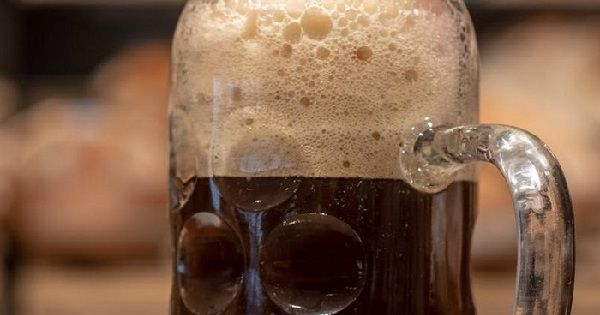
In Bavaria, dark beer mixed in equal parts with Coca-Cola and a splash of cherry liqueur is called Goaßmaß, or simply Goaß. Elsewhere in Germany, beer and cola without liqueur is known as Colabier or Diesel, and in the Rhine region it goes by Krefelder when made with Altbier.
In English it has no settled name and people simply ask for beer and Coke. It should not be confused with kalimotxo, which is red wine with cola, or with the Radler, which mixes beer with lemonade.
| Name | Where | What goes in it |
|---|---|---|
| Goaßmaß or Goaß | Bavaria | Dark beer, cola and cherry liqueur (Kirsch) |
| Colabier or Diesel | Germany in general | Pale beer and cola |
| Krefelder | Lower Rhine (Krefeld, Düsseldorf) | Altbier and cola |
| Calimocho or kalimotxo | Spain | Red wine and cola, no beer |
| Radler and Shandy | Germany and the United Kingdom | Beer and lemonade or soda |
Origin of the Goaßmass
The 1970s and 80s were the golden age of this beer and cola cocktail, almost always spiked with a generous splash of cherry liqueur (Kirsch). It was a favorite among young people of the time who wanted to break away from the habits of the pretentious upper class, and it was a staple at discos and student parties.
People ordered it in bars even though it never appeared on the menu, and it was drunk widely at festivals, local events, street parties and “Stammtisch”, informal regular gatherings of people who share a common interest, very typical of Munich and its surroundings.
Its exact origin is unclear. The name comes from Goaß, the Bavarian dialect word for a female goat, and according to the Dictionary Commission of the Bavarian Academy of Sciences (Süddeutsche Zeitung, 2018) as early as the 18th and 19th centuries a beer lighter and sweeter than Bock was called Gaiß, and the one brewed by the Munich Jesuits had a good reputation.
The female goat is a counterpoint to the billy goat popularly linked to Bock, although the name Bock actually comes from the town of Einbeck. Bavarian lexicographers believe the Goaßmaß does not descend directly from that old beer, but its name was coined with the same logic.
Like so many popular products, it goes by different names in different areas; besides the variants Goaßnmaß and Goaßmaß, the Swabians call it Goißmaß, in Upper Franconia it is often found as Gaaßmoß, Bumber or Bumbar is more common in Middle Franconia, and some people simply call it Schwarze (“black”).
What Is the Goaßmass Recipe?
The recipe holds few secrets, although like any cocktail of its kind, it allows for different proportions and personal touches to suit each drinker.
Ingredients
- 500 ml of black beer or dark lager
- 500 ml of cola, usually Coca-Cola
- 4 cl (one Stamperl shot glass, about 40 ml) of Kirsch (cherry liqueur) or brandy
Preparation
You need a 1 liter Maß beer mug. Fill it halfway with beer first, then add the cola and finish with the liqueur.

In Upper Bavaria it is common to add one Stamperl of cherry liqueur and another of brandy. In Lower Bavaria there is even a version with two raw eggs called Gaggerle, as recorded by the same Bavarian Academy.
Which Beer Should You Use?
The classic version calls for a Bavarian dark beer, a Dunkel, because its toasted malt sweetness pairs with the cola without turning bitter. A lighter pale lager gives a more refreshing mix, closer to the Colabier found in the rest of Germany.
The popularity of this peculiar beer cocktail slowly faded from the 1990s onwards, but in recent years it has made a remarkable comeback.
Nostalgia and Activism
It is middle-aged Bavarians who have revived the nostalgic glow of their youth, but the drink has also taken on an activist edge, as it is championed as a defense of local tradition and people power.
Bringing back something as popular and local as the Goaßmass is somewhat symbolic, a way of standing up for one’s own culture and roots and reconnecting with times gone by.
Ordering a mug of Goaßmass instead of a Spritz or any other trendy foreign aperitif is a statement of intent against the ecological footprint, choosing something purely local over the obsession with travel and flying.
Goaßmass is reclaiming its place in bars, beer gardens and festivals, but it still has ground to win back beyond its regular drinkers. Anyone planning to order one in a beer garden may want to brush up first on some German beer phrases and sayings.
Frequently Asked Questions (FAQ)
1. What Is Beer Mixed with Coca-Cola Called?
In Bavaria it is called Goaßmaß or Goaß when it contains dark beer, cola and a splash of cherry liqueur. In the rest of Germany a simple mix of beer and cola is known as Colabier or Diesel, and with Altbier it is called Krefelder. In English it has no established name of its own.
2. What Is the Difference Between Goaßmass and Kalimotxo?
Kalimotxo, or calimocho, is made with red wine and cola, while Goaßmass is made with dark beer, cola and cherry liqueur. Both share the idea of mixing a popular alcoholic drink with cola, which is why Goaßmass is sometimes called the German kalimotxo.
3. How Much Liqueur Goes into a Goaßmass?
The traditional recipe uses one Stamperl shot glass of about 4 cl of Kirsch, the cherry liqueur, for 500 ml of beer and 500 ml of cola served in a one liter Maß mug. In Upper Bavaria a second Stamperl of brandy is often added.
4. What Does Goaß Mean?
Goaß means female goat in the southern Bavarian dialect. According to the Bavarian Academy of Sciences, in the 18th and 19th centuries the name was given to a beer lighter and sweeter than Bock, as opposed to the billy goat that popular tradition links to Bock.
5. What Other Beer and Soft Drink Mixes Are There?
The best known are the German Radler and the British Shandy, which mix beer with lemonade or soda. There are also Colabier and Krefelder, made with cola, and the michelada, which combines beer with lime, salt and sauces.
Recommended
- What Is a Radler Beer? The German Origin of Mixing Beer and Lemon Juice
- What Is a Shandy Beer? The Victorian Origin of Beer Cocktails