This post is also available in:
 Español
  Português
  Français
If you love beer, you have probably already heard some of the long, complicated names of the yeasts and bacteria used in sour beers and in how they are brewed.

They are hard to spell, even harder to pronounce, and telling them apart can get confusing.
Plenty of people talk about the yeasts and bacteria used in sour beers without really knowing what they are, so it is worth taking some time to set the record straight.
To make sense of these terms, we asked Michael Tonsmeire (known for his blog The Mad Fermentationist) to walk us through each of them.
Understanding wild fermentation
To begin with, it is key to understand the difference between wild fermentation and single-culture fermentation.
Sour beers go through wild fermentation or mixed fermentation, which means several yeasts and bacteria work together to create a beer with “funky” character. Funky is a term used constantly with these beers, and it describes a set of aromas and flavors that would be considered off-flavors in “traditional” beers and that build a unique profile well outside the range produced by traditional brewer’s yeast.
Within the wild ale category, beers can be controlled, meaning brewers have chosen exactly which yeast and bacteria they will pitch, or spontaneously fermented, which is when fermenters are left fully or partly open so that wild yeast and bacteria from the surroundings can get in.
Yeasts and bacteria used in sour beers
The yeast behind the fermentation of every “traditional” beer is called Saccharomyces, while Brettanomyces, Lactobacillus and Pediococcus are something like the “Three Stooges” of sour beer brewing.
Together they make funky beers that are hard to predict. On top of them comes a range of bacteria that give sour beers something extra.
1. Saccharomyces
Saccharomyces, commonly known as brewer’s yeast, is the only yeast genus responsible for fermenting every type of non-sour beer, and it is also used to brew sour beers.
Brewer’s yeast handles most of the gravity drop and alcohol production in almost every sour beer.
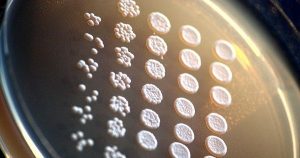
No Saccharomyces strain will ruin a sour beer, but some strains work better than others for certain kinds of sour beers.
Saccharomyces is a fast-working yeast with a high tolerance for bitterness (IBU), and it acts as the base yeast in sour beer brewing.
In general, brewer’s yeast protects the wort and sets the stage for a traditional, slow-developing wild fermentation.
2. Brettanomyces
Brettanomyces, often just called “Brett”, is a genus of yeast, not bacteria, as far too many brewers tend to believe.

It is the main wild yeast used in sour beer production. The specific flavors, aromas, esters and phenols it produces in the beer depend on the Brett strain and species, ranging from pineapple and hay to horse blanket and acrid smoke.
The character of the beer is also shaped by the acids and alcohols available to be combined into esters during fermentation.
Tonsmeire sums it up with this line.
Brett doesn’t make the beers you brew sour, it makes a sour beer delicious.
Brett doesn’t add much to the acidity of sour beers either, since acid production is the bacteria’s job.
The one exception is when a lot of oxygen is available, which leads Brett to produce acetic acid and a vinegar-like sourness.
Brettanomyces does the same job as Saccharomyces, it ferments beer. The difference is that Brett works more slowly, so a beer that might have finished fermenting in just a few weeks with brewer’s yeast could take months or years to show its full character once Brett is introduced.
The great beer writer Michael Jackson once compared Saccharomyces to a dog and Brettanomyces to a cat.
Saccharomyces can be trained, is usually predictable and will come back to you when you call it, while Brettanomyces will run off whenever it feels like it and will probably scratch you when you bring it back.
In other words, Brett can be hard to predict and manage, but if you respect the yeast for what it is and what it can do, you will be rewarded in the end.
Brett works well in tandem with the other microbes listed here, or on its own terms when enough of it is pitched into the wort, as in 100% Brett beers.
3. Lactobacillus
Lactobacillus, also known simply as “lacto”, is a bacterium, not a yeast. It behaves much like a yeast in that it eats sugars in the wort. Instead of turning them into alcohol, though, it turns them into lactic acid.

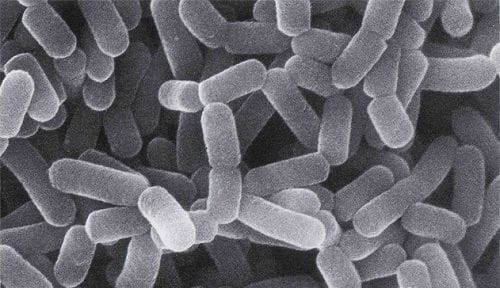
Lactic acid lowers the pH of the liquid very quickly, sometimes in as little as 24 to 48 hours, and gives the beer a clean sour flavor.
Lacto is also used in plenty of other food fermentations, such as kimchi or yogurt, and it creates a fairly clean flavor because it produces little besides lactic acid.
Most of the time it is the main souring microbe in the German styles Berliner Weisse and Gose.
4. Pediococcus
Pediococcus, aka “pedio”, is also a bacterium, not a yeast. Pediococcus is the other common lactic acid bacterium used in sour beers, and it plays other culinary roles too, such as souring sauerkraut and traditional dry-cured sausages.

Unlike lacto, pedio needs a long aging period before it starts to drop the beer’s pH dramatically. This works in your favor, because it gives the primary yeast strain time to finish fermenting before the pH falls substantially.
The tricky part of souring with pedio is that most strains produce diacetyl levels above the flavor threshold.
Unlike brewer’s yeast, pedio doesn’t clean up diacetyl by converting it into less flavorful byproducts. Instead, it leaves behind a buttery or popcorn flavor.
A good fix is to add Brett to beers soured with pedio so it can clear out the diacetyl. This takes time, so be patient if your beer tastes like movie theater popcorn while it is still young.
Another important difference between lacto and pedio is the kind of acidity they produce.
While lacto produces a clean sourness, pedio can add other funky aromas and flavors that result in a harsher acidity. At the same time, pedio gives Brett more fuel to work with, which is why the two are often used together.
This bacterium is behind sour beers such as Lambic and Flanders Red.
5. Lactic acid
Lactic acid is the primary acid in sour beers alongside the carbonic acid from dissolved carbon dioxide, and it is produced by lactic acid bacteria (Pediococcus and Lactobacillus).
It is soft and sharp at low levels and can make your lips pucker hard at higher concentrations.
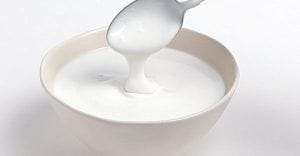
It is also the same acid found in yogurt, buttermilk and other soured dairy products.
Brett can also turn lactic acid into fruity esters. Its sourness is felt “mostly on the tongue, rather than at the back of the throat like acetic acid”.
6. Acetobacter
Acetobacter is a less common bacterium that is usually kept to a minimum in most sour beer fermentations, since it consumes ethanol to produce harsh-tasting acetic acid.
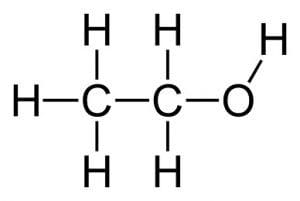
These bacteria need a steady supply of oxygen to carry out the oxidative fermentation that turns ethanol into acetic acid.
It is also airborne, so even if you don’t pitch it, it can easily settle on your equipment if it sits empty for several days or weeks.
Adding acetic acid or allowing it to form before the boil is not recommended because of its high volatility and pungent smell.
Acetobacter won’t do much early in fermentation, because the carbon dioxide being produced keeps oxygen from reaching the beer.
Once primary fermentation ends, the lack of pressure lets oxygen start to seep in.
If you want a low level of acetic acid, which is an important part of the flavor of Flanders Red and Lambic, add a small amount of unpasteurized vinegar (it contains live Acetobacter) when you pitch the other microbes.
Frequently Asked Questions (FAQ)
1. What is the difference between a kettle sour and barrel fermentation?
A kettle sour is soured in a controlled way in the boil kettle using Lactobacillus for a clean acidity, and the wort is then boiled to kill the bacteria and stop the souring. A barrel-aged sour (such as Lambic or Flanders Red) ferments and matures for months or years in barrels, sometimes after open-air inoculation, with a mix of Saccharomyces, Brettanomyces and bacteria (Lactobacillus and Pediococcus), which gives a more complex acidity and a “funky” profile.
2. Why does Pediococcus take longer than Lactobacillus to lower the pH?
Lactobacillus is a fast souring agent that works within the first 24 to 48 hours. Pediococcus, on the other hand, needs a longer aging period before it starts a dramatic pH drop, and it often requires Brettanomyces to metabolize the diacetyl it produces and avoid unwanted butter or popcorn flavors.
3. Which styles are specifically characterized by acetic acid?
Acetic acid (a vinegar flavor) is an important component, at low levels, of classic sour beer styles such as Flanders Red Ale and Lambic (or Gueuze). These beers are often aged with some exposure to oxygen, which lets Acetobacter bacteria (and sometimes Brettanomyces in the presence of oxygen) convert ethanol into acetic acid.
4. Is Brettanomyces a yeast or a bacterium?
It is a yeast. Many brewers mistake it for a bacterium because it shows up alongside Lactobacillus and Pediococcus in sour beers. Its job is to ferment sugars into alcohol, just like Saccharomyces, only more slowly, and it adds little acidity. The lactic sourness in a sour beer comes from the bacteria, while Brett contributes aromas such as hay, leather or tropical fruit.

Recommended
- Aromas, Flavors, and Off-Flavors in Sour or Mixed Fermentation Beers
- How Environment, Barrels, and Fruit Define the Soul of Wild Ales