This post is also available in:
 Español
  Português
  Français
Sierra Nevada Pale Ale was born in 1980 at the hands of Ken Grossman in Chico, California, and became the beer that redefined the use of hops in American craft brewing.
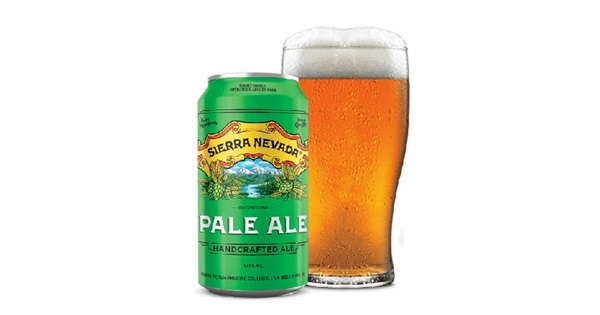
Its combination of Cascade with a balanced body remains to this day the essential reference for the American Pale Ale style.

General Information
Name: Pale Ale
Brewery: Sierra Nevada Brewing Co.
Origin: Chico, California, United States
Style: American Pale Ale
ABV: 5.6%
IBU: 38
Calories: 175 kcal
Glassware: American pint or IPA glass
Tasting Notes and Impressions
Cascade hops dominate every stage of the tasting, backed by a malt base that gives the beer structure without stealing the spotlight from the aroma.
1. Appearance
Golden amber with coppery tones and orange highlights against the light, clear and bright, with an off-white head, medium-high, dense and creamy, with excellent retention and cling, leaving abundant lace on the glass as it recedes.
2. Aroma
It opens with grapefruit peel and pine resin, joined by the floral and herbal background typical of Cascade and a touch of lemon mid-nose; it then moves toward a malty finish of toasted bread, caramel and honey that holds the whole together without overshadowing the hops.
3. Flavor
It develops at first on white bread and biscuit malt with a light sweetness of honey and caramel, followed by a clean bitterness that builds through the mid-palate alongside the flesh and peel of red grapefruit; toward the finish the pine resin takes center stage, with a bitterness that is moderate by the standards of the genre today, lingering without harshness and leaving caramel as the lasting memory.
4. Mouthfeel
Medium body, with a slightly oily and lively texture, carried by a medium-high, fine and prickly carbonation; no astringency, no alcohol warmth despite its 5.6%, and an easy-drinking passage that invites the next sip.
5. Overall Impression
This is the American Pale Ale that set the pattern for the style in 1980. Drunk today, it feels more restrained than modern hop-loaded pale ales, with a bitterness that accompanies and never imposes itself. That restraint is its strength. As a product, it is a benchmark beer you can drink without fatigue, one that explains better than any manual where the citrus and resinous character of American IPAs comes from. If you want to understand Cascade, start here.

Suggested Pairings
The moderate bitterness and citrus profile of this beer make it especially versatile with grilled food and spiced dishes.
1. Main Courses
Grilled meats, burgers, smoked ribs and spiced chicken wings. The hop bitterness cuts through the fat as the citrus refreshes the palate between bites.
2. Cheeses
Semi-cured cheeses such as Manchego or cheddar. The beer’s malty structure holds up to the intensity of the cheese without either one dominating the other.
3. Vegetarian Dishes
Oven-roasted vegetables, guacamole or bean tacos. The resinous touch of Cascade pairs well with the smokiness of the vegetables and the creaminess of the guacamole.
4. Desserts
Citrus desserts such as a lemon tart. Repeating the hop’s citrus note in the dessert extends the pairing without overwhelming the palate.
Frequently Asked Questions (FAQ)
1. What makes Cascade hops special in this recipe?
Cascade brings the characteristic grapefruit, orange and pine profile that defined the American Pale Ale style. Sierra Nevada was one of the first breweries to put it at the center of a commercial recipe, when until then it had played a supporting role.
2. Why is Sierra Nevada Pale Ale considered a founding beer of the craft movement?
Because, from 1980 onward, it marked the starting point of the citrus and resinous profile that hundreds of American IPAs would later adopt. Its formula has barely changed since then.
3. How does an American Pale Ale differ from an IPA?
The Pale Ale has less bitterness and fewer IBUs than a typical IPA and a lighter body, designed as a session beer with a pronounced hop character but without the intensity of an IPA.
4. Which glass is recommended for drinking this beer?
An American pint or an IPA glass concentrates the citrus aromas toward the nose without losing the refreshing sensation this style calls for.
5. What kind of drinker is Sierra Nevada Pale Ale meant for?
It is a good gateway into the world of American hops for those just beginning to explore styles with more character, and at the same time it remains appreciated by experienced drinkers as the historical reference for the style.

Recommended
- The 9 Most Influential Hop Varieties of All Time
- English IPA vs. American IPA: Style References, Similarities, and Differences