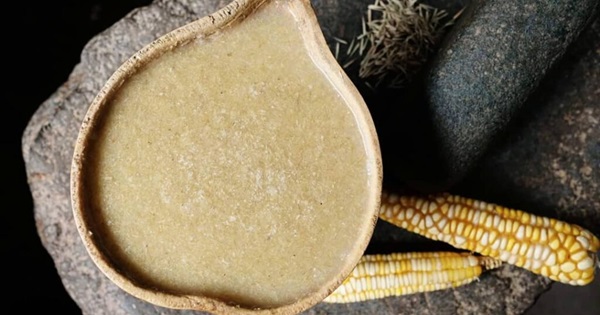
Tesgüino is a corn beer produced by the Rarámuri in the Sierra Tarahumara, Chihuahua, which still remains integrated into their labor exchange systems, ritual organization, and identity reproduction.
Vienna Lager was born combining British malting techniques with Bavarian cold fermentation; it was displaced by Czech Pilsner, but survived thanks to Austrian immigrants who arrived in Mexico in the 19th century.
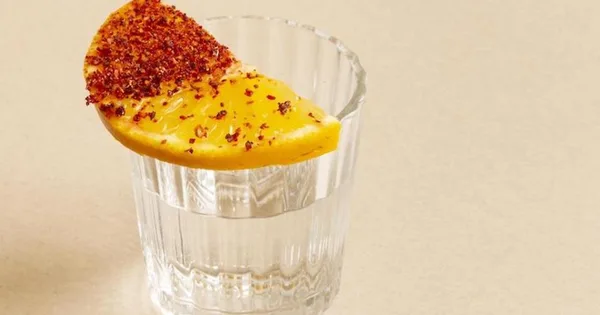
Jesús Sánchez from Conejo en la Luna restaurant in Teotihuacán shares four keys to dive into traditional mezcal without making beginner mistakes.
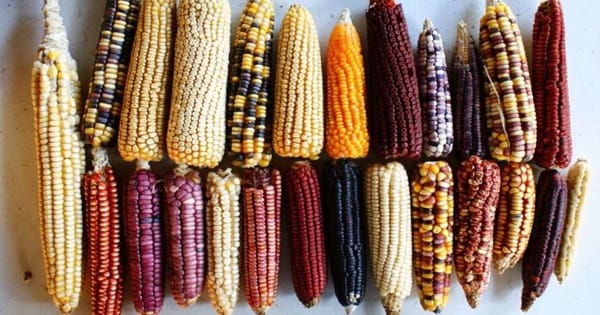
Corn was being fermented in America thousands of years before European barley arrived; later condemned by the American craft movement under an imported purity dogma, today it reclaims its place as a terroir ingredient.
The richness of Mexican gastronomy lies not only in the diversity of its ingredients but also in the cultural depth that each dish contains. From ceremonial recipes to street food, each preparation offers a universe of flavors that, when paired…
Indio is one of Mexico’s most iconic beers, with a rich history dating back to 1893. It emphasizes the use of local ingredients and traditional brewing techniques.
Sendechó is a Mexican fermented beverage of pre-Hispanic origin that seeks to be revitalized as an innovative and artisanal alternative within the modern world of low-alcohol beverages with functional properties.
The Mexican caguama, before becoming the emblematic measure for evaluating how much alcohol you should consume, had a much more modest and family-oriented origin.
The history of Corona Extra dates back to March 8, 1922, when a group of Spanish immigrants began the construction of Cervecería Modelo S.A.
Among the list of Mexican spirits that have become fashionable, there is one that experts consider the forgotten beverage: pulque, traditional among the ancient Mexicans.