
This post is also available in:
 Español
  Português
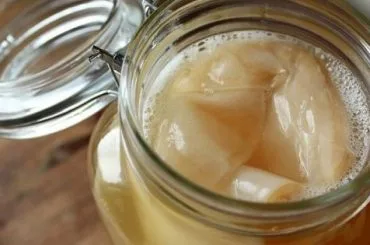
Sendechó is a fermented beverage of pre-Hispanic origin that seeks to be revitalized as an innovative and artisanal alternative within the modern world of low-alcohol beverages with functional properties.

With deep roots in Mesoamerican traditions, it is a unique preparation that has awakened renewed interest, not only for its historical value but also for its functional properties and health benefits.
Sendechó offers a direct connection to Mexico’s ancestral past and, at the same time, a unique opportunity for technological innovation.
Origin of sendechó
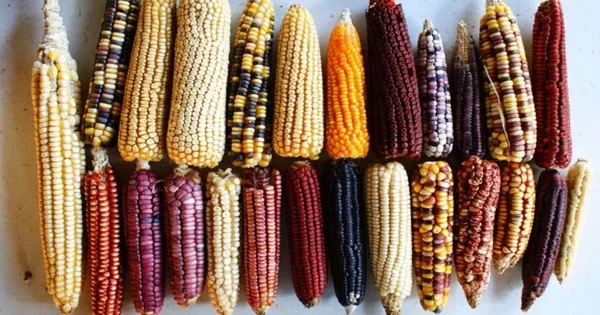
Sendechó originates from the ancient Mesoamerican cultures that inhabited what is now Mexico, civilizations that considered corn not only their main food source but also a sacred element intrinsically linked to their worldview.
From corn, these cultures created a variety of foods that remain the cornerstone of nutrition in many regions of the country, and its use in fermented beverages like sendechó is an example of how pre-Columbian societies took advantage of all aspects of this grain.
Malted corn, the main ingredient of sendechó, offers a special variant, as an enzymatic process is activated that converts starches into sugars, allowing fermentation.
How is sendechó made?
The production process of sendechó differs significantly from other traditional Mexican beverages such as pozol or tesgüino since, instead of using nixtamalized corn, malted corn is used.
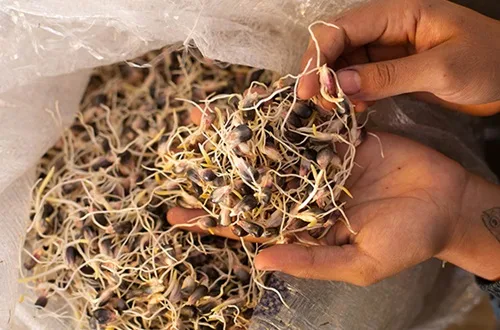
1. Corn germination
Corn is left to germinate for several days to activate the enzymes responsible for starch conversion, a process similar to barley malting in beer brewing, one of the characteristics that differentiates Sendechó from other beverages.
2. Drying and grinding
After germination, the corn is dried and ground to form a fine flour that will be the base of the beverage.
3. Atole
The malted corn flour is mixed with guajillo chili and water, creating a thick paste that is then boiled to form a kind of atole, giving Sendechó its characteristic spicy and slightly acidic flavor.
4. Fermentation
Once the atole cools, pulque is added as a starter for the fermentation process. Pulque is a fermented beverage made from maguey sap, rich in natural bacteria and yeasts, which initiates corn fermentation and transforms sugars into alcohol.
5. Maturation
After a fermentation period lasting several days, the beverage is ready to be consumed, which, depending on the fermentation time and specific conditions, can have an alcohol content between 2% and 4%.
Organoleptic characteristics of sendechó
Sendechó is a beverage with very particular characteristics that differentiate it from other beers or fermented corn beverages and contains a variety of volatile compounds and nutrients that are responsible for its flavor, aroma, and color.
1. Appearance
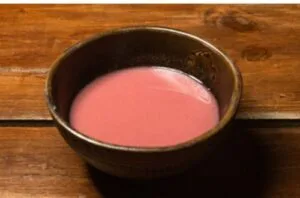
The color of sendechó ranges from dark brown to a reddish tone due to the anthocyanins present in the corn, indicating the richness of antioxidant compounds.
2. Aroma
The distinctive aroma of sendechó consists of notes of fresh corn, lactic acid, and a slight spicy touch from guajillo chili, generating acetic acid and esters such as ethyl butanoate during fermentation.
3. Flavor
The flavor of sendechó is complex and multifaceted, with a predominant acidity coming from lactic and acetic acids, while the spicy touch of guajillo chili complements the natural sweetness of the grain.
4. Mouthfeel
Sendechó is a smooth and light beverage, with subtle effervescence and balanced acidity that provides an authentic and refreshing experience.

| Compound | Function | Effect on flavor and aroma |
|---|---|---|
| Anthocyanins | Antioxidant | Provides color (blue or red) |
| Lactic Acid | Fermentation byproduct | Responsible for sour taste |
| Ethyl Butanoate | Ester present in fermentation | Provides fruity aroma |
| Acetic Acid | Secondary fermentation product | Contributes to aroma and acidity |
| Guajillo Oil | Chili component | Provides spicy notes |
Innovation and cultural rescue
The revitalization process of Sendechó has not only involved the rescue of a cultural tradition but has also been an exercise in technological innovation.
Over the last decade, sendechó has been the subject of study in various academic and scientific research projects aimed at perfecting its production process and adapting it to the demands of modern industry.
One of the main innovations has been the creation of a craft beer based on malted corn, following the ancestral process but with technological improvements that allow for more controlled production and larger volumes.
Sendechó as a functional beverage
One of the reasons sendechó has captured the attention of food and beverage experts is its functional properties.
Anthocyanins present in blue and red corn have been shown to have beneficial health effects, particularly due to their antioxidant capacity.
Furthermore, its moderate alcohol content makes it a healthy option for those seeking to enjoy a fermented beverage without consuming large amounts of alcohol.
In this sense, sendechó falls into the category of functional beverages, that is, those that, besides being consumed for their taste, also provide additional health benefits.
This distinguishes it in the craft beer market, where most available options lack functional properties.
| Anthocyanin | Colors | Health benefits |
|---|---|---|
| Cyanidin | Red | It may help reduce risk of heart disease and improve eye health |
| Delphinidin | Blue/Purple | Contributes to heart health and reduction of oxidative stress |
| Pelargonidin | Orange/Red | Improves circulation and may have anti-inflammatory effects |
| Malvidin | Purple | Anti-inflammatory benefits and may help protect the cardiovascular system |
| Peonidin | Pink/Red | Contributes to cardiovascular health and has anti-inflammatory effects |
| Petunidin | Purple/Red | Promotes brain health and may help prevent cellular aging |
The future of sendechó
In a world where consumers increasingly seek products that not only satisfy their palate but also offer health benefits and respect the environment, this pre-Hispanic beverage has the potential to become a benchmark within craft beers.
Furthermore, its low environmental impact, by using native and local ingredients such as corn, contributes to sustainability.
Sendechó represents the perfect balance between tradition and innovation. Through its production process, it connects us with the past, while its benefits and commercial possibilities project it into the future as a beverage that can redefine the landscape of fermented beverages in Mexico and the world.
In conclusion, sendechó is a rescued cultural legacy, an innovation in food biotechnology, and an opportunity to rediscover the benefits of corn in contemporary gastronomy.
Frequently Asked Questions (FAQ)
1. What technical difference exists between the corn malting process for sendechó and traditional nixtamalization?
Nixtamalization in Mexican cuisine consists of cooking corn kernels in water with lime to soften the husk, release nutrients, and facilitate grinding into common masa. In contrast, the sendechó production process omits this chemical step and resorts to malting, a biological method identical to that applied to barley in European brewing. Raw corn undergoes controlled soaking in water to force the kernel to germinate naturally over several days. This awakens an army of internal enzymes that break down complex starch chains and convert them into fermentable simple sugars, radically transforming the cereal’s composition before grinding.
2. Why is pulque used as a fermentation starter instead of commercial powdered yeast?
In the microbiology of ancestral sendechó, pulque is not added to provide maguey flavor but because it functions as an extremely complex and active consortium of living microorganisms. Artisanal pulque is a fermented beverage containing a rich wild population of lactic acid bacteria and native yeasts that have not passed through industrial filters. When mixed with malted corn atole, this living sap unleashes a mixed fermentation where bacteria consume sugars and generate lactic and acetic acid, while yeasts produce ethanol and the ester ethyl butanoate, giving sendechó its bittersweet profile and protecting the beverage from harmful pathogenic bacteria.
3. What is the function of guajillo chili in the mixture, and how does it alter the chemistry of the final beverage?
Guajillo chili plays a role that goes far beyond injecting a spicy touch into the base atole of the preparation. The essential oils of the chili contain capsaicin and antioxidant compounds that interact with the hot corn must during boiling. From a chemical standpoint, chili functions analogously to hops in conventional beer, acting as a natural preservative thanks to its antimicrobial properties that help stabilize the liquid. Sensorially, the subtle heat of guajillo creates a perfect counterpoint that balances the high lactic acidity of fermentation and rescues the residual sweetness of the sugars that the yeast did not consume.
4. What biological property makes Sendechó a functional beverage superior to a common craft beer?
The functional character of sendechó is mainly due to the use of native dark-pigmented corn varieties, such as blue, red, or black corn, instead of industrial white corn. These landrace varieties are extremely rich in anthocyanins, a group of water-soluble pigments belonging to the flavonoid family. Compounds such as cyanidin, delphinidin, and malvidin remain active after light fermentation, endowing sendechó with potent cellular antioxidant capacity. This helps the human body neutralize free radicals, reduce oxidative stress, and combat cardiovascular inflammation, beneficial attributes that conventional wheat or barley beer does not possess.
5. Why is Sendechó positioned as an ideal alternative within the global trend of low-alcohol beverages?
The modern international consumer market experiences high demand for beverages with low alcohol content and sustainable production profiles. Sendechó natively responds to this need because its natural fermentation with pulque stops spontaneously when reaching between 2% and 4% alcohol by volume, requiring no technological interventions to remove ethanol. By being made from local landrace corns, it promotes conservation agriculture and has a significantly lower carbon footprint than beers that depend on imported foreign hops and European malts, combining cultural identity with ecology.

Recommended
- After 10 years of research, they manage to sequence the barley genome
- The oldest evidence of beer brewing in Europe is found