Études sur la Bière marked the point of no return; beer ceased to be a product of seasonality and luck to become one of the first great victories of biotechnology.


Études sur la Bière marked the point of no return; beer ceased to be a product of seasonality and luck to become one of the first great victories of biotechnology.

While the origins of kombucha are still unknown, the consensus indicates that it would have originated in Manchuria, China, where writings have been found mentioning the tea mushroom during the Tsin dynasty, around 206 BC.
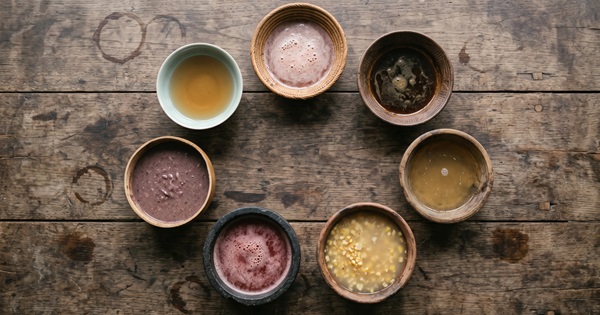
Beer is a perfect example of what in anthropology is known as cultural convergence, a phenomenon in which civilizations separated by oceans and millennia arrived at the same technological solution without having influenced each other.
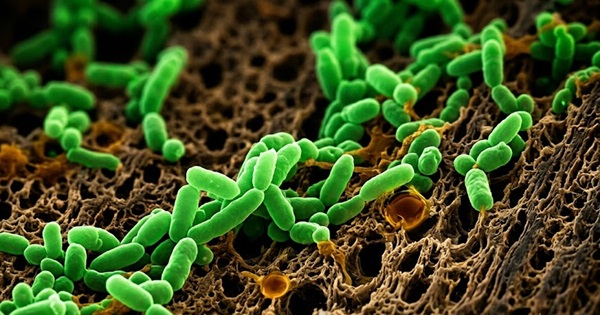
Non-conventional yeasts that inhabit fruit skins, wooden barrels, and the air of cellars are ceasing to be a curiosity to become the most powerful tool for beer innovation in the 21st century.

In 2013, a 61-year-old man arrived at the emergency room of a Texas hospital with a blood alcohol level of 0.37 g/dL. He claimed he had not been drinking. The medical staff did not believe him, since 0.37 g/dL is equivalent to consuming, in one go, nearly ten standard pints.
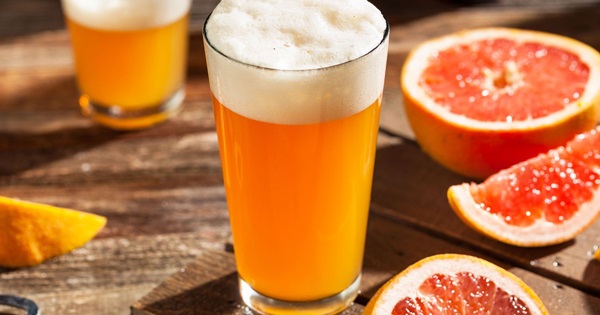
Compiled results demonstrate that incorporating fruit not only broadens sensory diversity but also contributes to the development of functional beverages with potentially positive impacts on human health.
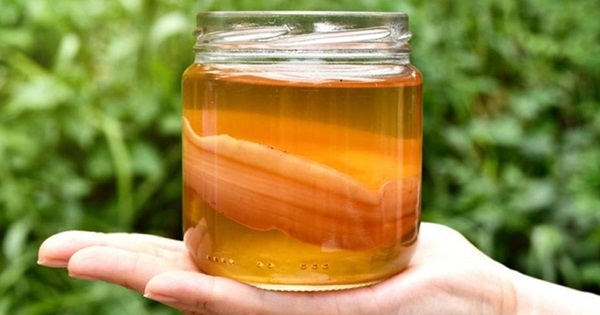
Historical records place the origin of kombucha in northeastern China, around 220 BC, where it was prepared as a medicinal drink known as hóngchájūn (red tea fungus, equivalent to black tea in the West).
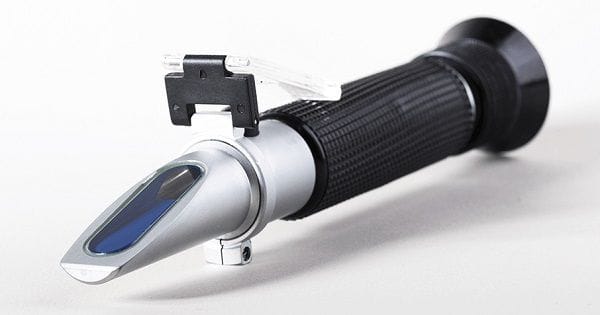
A refractometer is an optical instrument that measures the sucrose concentration of a solution based on the refractive index produced by light in that solution.

Discover how Mathilde Schneider defied the laws of her time and, influenced by European feminism, decided to lead a brewery and create the iconic Aventinus, a beer that revolutionized the industry at the beginning of the 20th century.
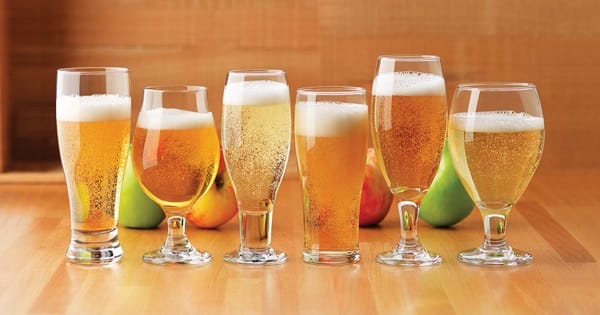
Cider (from Late Latin sicĕra, ‘intoxicating liquid’) is an alcoholic beverage obtained through the fermentation of apple juice, though in some regions pears are also used (known as perry or ‘poiré’ in French).
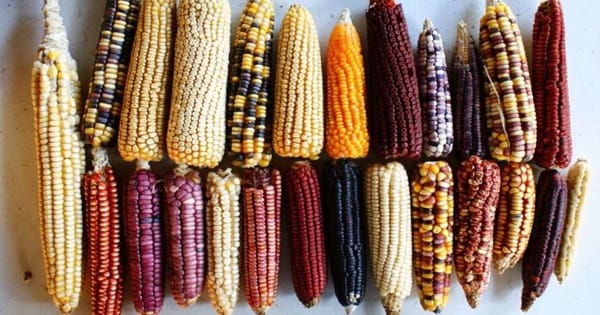
Sendechó is a Mexican fermented beverage of pre-Hispanic origin that seeks to be revitalized as an innovative and artisanal alternative within the modern world of low-alcohol beverages with functional properties.

In simple words, beer is an alcoholic beverage made from starches obtained from cereals and other grains, flavored and aromatized with hops, which are then fermented in water with yeasts of the genus Saccharomyces.


