
This post is also available in:
 Español
 Português
 Français
On Monday, November 2, 2026, Sazerac, the Louisville distiller that owns Buffalo Trace, Fireball and BuzzBallz, closed its purchase of Full Sail Brewing and padlocked the pub in Hood River, Oregon, that very same day. Three days later it confirmed that it has no plans to make or distribute Full Sail beer in the long term.
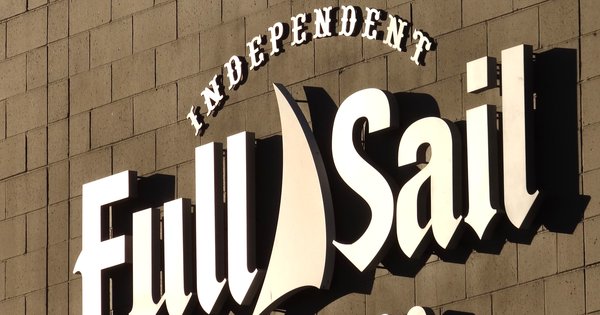
One of the pioneers of craft beer in the Pacific Northwest, founded in 1987, ceased to exist as a brand the day it was bought. What Sazerac acquired was a plant licensed for five beverage categories with an advertised capacity of more than 30 million cases a year.

What it discarded was the name, the Amber Ale that made it famous and the Session Lager that had turned 21 in March.
A brewer at the plant summed it up on Facebook the night of the closure.
On November 2nd, 2026 we were acquired by Sazerac and the Full Sail and Session brands officially died. We are now a 100% contract production facility.
What Exactly Did Sazerac Buy?
As the company itself told Food Dive, the deal covers substantially all of Full Sail’s assets, from the production lines to the intellectual property and brand assets, for a price that has not been disclosed. The Hood River plant holds licenses to make beer, wine, cider, seltzer and spirit-based ready-to-drink cocktails, which is precisely the category Sazerac is pouring money into.
Full Sail produced 12,800 barrels in 2025, which made it the 11th-largest craft brewer in Oregon according to the Portland Business Journal, with sales in seven states. That figure describes a small brand inside a large factory, because the capacity it advertised on its website to contract customers exceeded 30 million cases a year.
The official explanation arrived on Tuesday the 3rd in a single sentence to The Oregonian.
This acquisition enables us to add additional capacity and capabilities to our network.
Two days later Victoria Zabel-Wirdak, Sazerac’s global communications director, told the KPTV television station that the company does not plan to make or distribute Full Sail beer in the long term, that it will work with the team to move the remaining inventory and that it will wind down contracts with local partners.
Regrettably, Sazerac has taken the difficult decision to close the Brew Pub at Full Sail Brewing.
This is what changes hands in Hood River.
| Asset | Status after the purchase |
|---|---|
| Hood River plant (production lines, licenses for five categories) | Keeps running as a contract production facility |
| Full Sail and Session brands | No long-term plans for production or distribution |
| Columbia Street brewpub | Closed on November 2, 2026 |
| Beer inventory | Being sold off with the Full Sail team |
| Contract brewing for third parties | Existing contracts honored, with no guarantee of renewal according to a brewer at the plant |
An Abandoned Cannery in 1987
Irene Firmat had worked as a buyer in New York’s fashion trade when, together with her partners Jerome Chicvara, Meg Roland, Joe Hill and Roger Barry, she picked a Diamond Fruit cannery that had sat empty for 15 years in Hood River to open the Hood River Brewing Company in late 1987. Oregon had legalized brewpubs two years earlier with Senate Bill 813, signed by Governor Vic Atiyeh on July 13, 1985, so the brewery was born at the first moment it became legal to serve beer where it was brewed.
The first year, 287 barrels came out of the hands of four employees. Jamie Emmerson, the brewmaster who would go on to become Firmat’s husband, joined in 1988, the year the Imperial Porter, the winter Wassail and the Amber Ale that ended up giving the company its name all appeared.
That Amber was also what made it, according to New School Beer, the first Oregon brewery to successfully package its beer in 12-ounce bottles for wide distribution. For three decades the billowing sail on the label was shorthand for Northwest beer across half the country.
How Did It Go From Its Employees to a Fund?
In July 1999, when some of the original partners wanted to sell, Firmat and Emmerson put together a bid that left the brewery in the hands of its 47 workers through an employee stock ownership plan, the first of its kind at a U.S. brewery according to the Oregon Encyclopedia. That collectively owned Full Sail was the one that grew.
In 2005 it launched Session Premium Lager in its stubby 11-ounce bottle, a tribute to pre-Prohibition lagers that the World Beer Awards named the world’s best premium lager in 2007 and America’s best in 2010. That same year, 2007, the Brewers Association ranked it the ninth-largest craft brewery in the country by volume, with more than 120,000 barrels.
The turn came in March 2015, when the employees voted to sell to Oregon Craft Brewers Co., a vehicle of the San Francisco private equity firm Encore Consumer Capital. Firmat and Emmerson retired shortly afterward.
The small Portland brewhouse closed in 2016 along with the Pilsner Room on the waterfront, open since 1992, while the lineup shrank to the Amber, the Session and whatever could be brewed for others. From 120,000 barrels in 2007 to 12,800 in 2025 is a drop of almost 90 percent in 18 years, and all that was left standing was the stainless steel.
Why Does a Distiller Want a Brewery?
Because capacity is the only thing that keeps a clear price when the brand sinks. Citi warned on November 10 that U.S. beer shipments fell 3.9 percent in the first nine months of 2026, are headed for a fifth straight year of decline and could end up below the 1980 level. Craft, for its part, closed 2025 at 22.03 million barrels, down 4 percent according to the Brewers Association.
On the other side of the counter, spirit-based ready-to-drink cocktails added more than 10 million cases in 2025 to approach 80 million, according to Impact Databank. BuzzBallz, the brand of plastic spheres that Sazerac bought in 2024 for around 500 million dollars according to Forbes, grew nearly 50 percent to 2.6 million cases that year.

In the 52 weeks ending in April 2026 that same brand rang up 569.3 million dollars at the retailers tracked by Circana. Food Dive put it bluntly, Sazerac is buying capacity from competitors in struggling segments, a plan to which it had already added Svedka in 2025 and then Dirty Shirley and Britain’s Au Vodka in 2026.
Did it make sense to keep Session alive? In March 2026 the brand had celebrated its 21st anniversary with its retro red-stripe packaging, a new Japanese-style rice lager and a new west coast lager, a sign that eight months before dying it was still getting investment.
For a distiller with some 300 brands, a beer selling 12,800 barrels a year does not move the needle, whereas a plant with five licenses and packaging lines an hour from Portland does. That arithmetic is what killed Full Sail, not the quality of its Amber.
What Already Happened to Oskar Blues, Hop Valley and Anchor
The purchase of craft breweries by companies from other categories already has a decade of cases behind it, with very different fates for the brands. Monster Beverage paid 330 million dollars for CANarchy in February 2022 to take over Oskar Blues, Cigar City, Wasatch, Perrin, Deep Ellum and Squatters, factories included.
Tilray, which comes from cannabis, bought four brands Molson Coors no longer wanted in August 2024, Hop Valley, Terrapin, Revolver and Atwater, to take its beer business to 15 million cases. In March 2026 it took over BrewDog to have breweries outside the United States.
The closest case to Full Sail’s is that of Anchor Brewing, liquidated in 2023 after 127 years by its owner Sapporo. There the brand survived because Hamdi Ulukaya bought it in 2024 to reopen it, something nobody has offered in Hood River so far.
When that buyer does not show up, the ending is the one Spencer Brewery, the only Trappist brewery in the Americas, met when it closed in 2022 with no one wanting either the brand or the tanks. This is how the deals compare.
| Date | Buyer | What it bought | What happened to the brands |
|---|---|---|---|
| February 2022 | Monster Beverage | CANarchy (Oskar Blues, Cigar City and four others), 330 million dollars | Still on the market |
| July 2023 | Sapporo (owner since 2017) | Liquidates Anchor Brewing | Hamdi Ulukaya buys brand and plant in 2024 |
| August 2024 | Tilray | Hop Valley, Terrapin, Revolver and Atwater, from Molson Coors | Still in production |
| March 2026 | Tilray | BrewDog | Being integrated |
| November 2026 | Sazerac | Full Sail Brewing, price not disclosed | No future; the plant goes to contract brewing |
What Is Left in Hood River?
Matt Swihart, owner of Double Mountain Brewery a few blocks from the pub and a Full Sail employee for 13 years who rose to brewmaster, estimates that 25 people lost their jobs on Monday the 2nd, a figure neither Full Sail nor Sazerac has confirmed. According to the brewer who announced the death of the brands, the restaurant staff left with one week of severance.
November is the off-season in the Columbia River Gorge, so finding another hospitality job before spring is going to be hard, as Swihart himself warned KPTV. The pub, he said, was still filling up at lunchtime.
The beer, meanwhile, will only be brewed for existing contracts.
Beer will only be brewed for our existing contracts but who knows if the contracts will be renewed.
If you ever drank a Session from its stubby red-striped bottle, what you have left of it is the memory, because the Hood River plant already works for others.
What Is a Craft Brand Worth in 2026?
Full Sail had everything American craft beer claims to value, a founder with a name, 47 employee shareholders, medals, a pub overlooking the Columbia and 39 years of history. None of that figured in the price Sazerac paid, which bought tanks, packaging lines and five licenses.
The uncomfortable lesson for the rest of the industry is that, once volume drops below a certain threshold, a brewery’s name stops being an asset and becomes a marketing expense the buyer gets to skip. That is the heart of the debate over whether the difference between industrial and craft beer still matters, because in Hood River it was settled by a distiller’s press release.
In the old Diamond Fruit cannery the tanks are still full, only nobody puts a name on them anymore.
Frequently Asked Questions (FAQ)
1. Who bought Full Sail Brewing?
Sazerac Company, the Louisville, Kentucky distiller owned by the Goldring family, which owns Buffalo Trace, Fireball, Svedka and BuzzBallz. It confirmed the purchase on November 3, 2026, without disclosing the price.
2. Will Full Sail Amber and Session Lager still be made?
Sazerac said on November 5 that it does not plan to make or distribute Full Sail beer in the long term and that it will sell off the remaining inventory with the brewery’s team. A brewer at the plant declared both brands dead on November 2.
3. What is BuzzBallz and why does it need a brewery?
BuzzBallz is an American brand of ready-to-drink cocktails in spherical plastic containers that Sazerac bought in 2024. It sold 2.6 million cases in 2025 according to Impact Databank and 569.3 million dollars at retail in the 52 weeks ending in April 2026 according to Circana, so the Hood River plant, licensed for spirit-based cocktails, gives it packaging capacity.
4. Why did the Full Sail pub in Hood River close?
Sazerac closed it on the day of the purchase, November 2, 2026, in what it called a difficult decision. The pub was not part of the distiller’s capacity plan. Matt Swihart of Double Mountain estimates that 25 people lost their jobs, a figure the company has not confirmed.
5. Was Full Sail an independent brewery?
It was from 1987 to 2015, first in the hands of its founders and from 1999 of its 47 employees through a stock ownership plan. In March 2015 it passed to the private equity firm Encore Consumer Capital, and in 2025 it produced 12,800 barrels, 11th among Oregon’s craft breweries.
Recommended
- Industrial vs. Craft Beer? A Distinction That Matters Less and Less to Drinkers
- Craft Beers Made by Multinationals