Explore the physical and biochemical effects of sound frequencies on beer production, their impact on yeast activity, the formation of aromatic compounds, and the stability of the final product.


Explore the physical and biochemical effects of sound frequencies on beer production, their impact on yeast activity, the formation of aromatic compounds, and the stability of the final product.
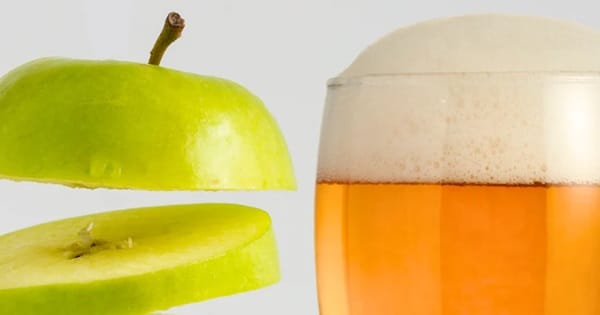
Acetaldehyde is one of the most relevant chemical compounds in beer production, both for its impact on the sensory profile and for its role as an indicator of fermentation quality.

Duvel Moortgat is a family brewery founded in 1871 by Jan-Leonard Moortgat in the town of Breendonk, being one of the more than 3,000 breweries operating in Belgium at that time.
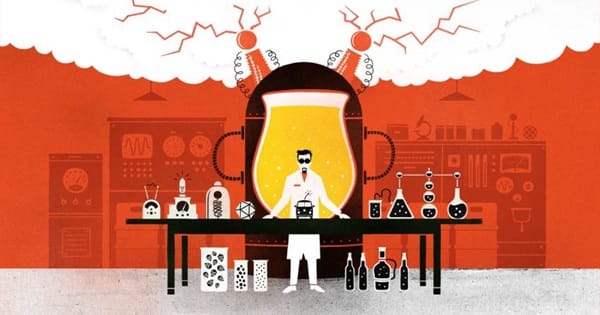
From ingredient selection to final fermentation, chemistry is essential to understanding how flavors and aromas develop, allowing brewers to adjust the process for specific results.

Michael Jackson was far more than perhaps the greatest beer writer who ever lived. He was an educator and ambassador who revived interest in beer at its lowest point in quality, variety, and appreciation.

Chill haze is a widely studied phenomenon in brewing science and presents itself as one of the main challenges in the production of clear beers.

Enzymes are defined as complex biological catalysts of a protein nature, which trigger reactions without being modified by them or appearing in the final product.

Beer foam (collar or head) is one of those things that has a specific name that most people are unaware of: ‘Giste’, a word that comes from the German ‘Gischt’, which precisely means foam.

The brewing of the Gose style was established during the 16th century in the then-prosperous mining city of Goslar, in the north-central region of Germany (present-day Lower Saxony), which had built its wealth through silver extraction.

Two men have mainly been proposed as the primary inspirations for the appearance of Gambrinus: Jan Primus (John I), Duke of Brabant, and Jean Sans Peur (John the Fearless), Duke of Burgundy.

With so many great beers out there, it’s dangerously easy to slide into full beer snob territory — and end up drinking alone. Here’s how to keep it fun.

Stange (German for “rod” or “stick”) is a tall, narrow, cylindrical glass traditionally used to serve Kölsch-style beers from Cologne, Germany — full of history and tradition.


