Nitro beer has been dismissed as a passing trend more than once — yet it keeps finding new fans and new formats. From the Guinness widget to nitro Cream Ales and Lagers, here is the science and history behind the nitrogen revolution in beer.
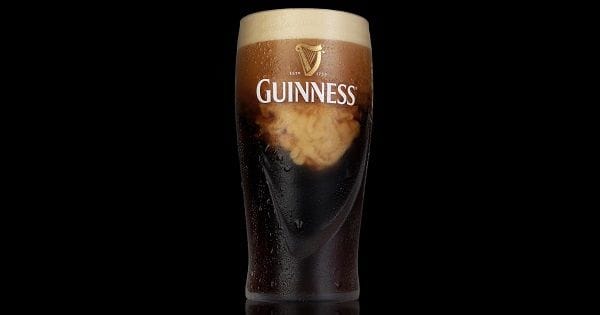

Nitro beer has been dismissed as a passing trend more than once — yet it keeps finding new fans and new formats. From the Guinness widget to nitro Cream Ales and Lagers, here is the science and history behind the nitrogen revolution in beer.

To identify S. chiloensis as a new species, scientists used an integrative taxonomy approach, combining analysis of genomic sequences, reproductive isolation studies, and phenotypic analyses.

The history of the St. Bernardus Brewery is strongly linked to two Trappist abbeys since the monks of Catsberg Abbey (Mont des Cats) decided to move to Belgium and settle in the small town of Watou.

Sendechó is a Mexican fermented beverage of pre-Hispanic origin that seeks to be revitalized as an innovative and artisanal alternative within the modern world of low-alcohol beverages with functional properties.

In medieval Europe, beverages mixing beer, butter, eggs, and spices were already common. Thus, the modern Harry Potter butter beer draws inspiration from these ancient traditions, adapting them to modern varieties with or without alcohol.

The Mexican caguama, before becoming the emblematic measure for evaluating how much alcohol you should consume, had a much more modest and family-oriented origin.

Identifying the various aromas and flavors present in beer not only enhances the drinking experience but also provides a deeper understanding of the brewing processes and the unique characteristics of each beer style.

Writer, scientist, composer, and physician, among other things, Hildegard of Bingen (1098-1179) was a brilliant German woman who first documented the qualities of hops as a beer ingredient in her book “Physica sive Subtilitatu”.
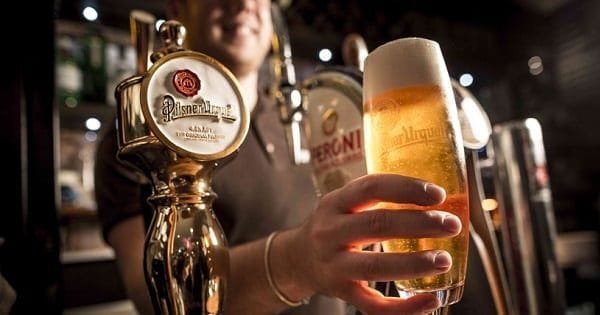
Although today any golden, transparent beer is called a ‘blonde,’ there was a time when there was only one: Pilsner Urquell (Plzeňský Prazdroj), the first beer of its kind in history.
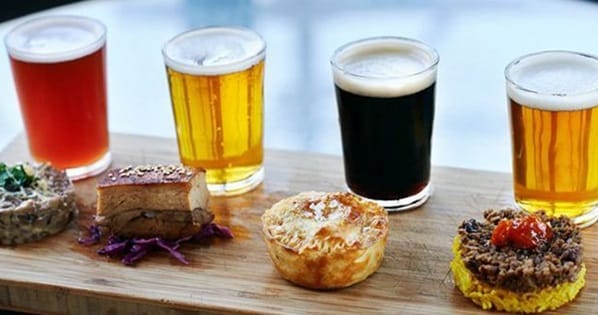
Discover the versatility of beer and food pairing, where the wide range of beer styles fuses with a great variety of dishes, offering a unique and unforgettable gastronomic experience.

They are leaders, innovators, and visionaries who have left an indelible mark on the Chilean and Latin American beer industry, influencing not only those who brew it but also how it is perceived and enjoyed worldwide.

The controversial theory claiming that Christ lived in a beer-centric culture—and that his deeds and miracles involved this beverage rather than wine, as traditionally believed.


