The rise of non-alcoholic or low-alcohol beers has led the brewing industry to explore new yeast strains and fermentation techniques.

The rise of non-alcoholic or low-alcohol beers has led the brewing industry to explore new yeast strains and fermentation techniques.
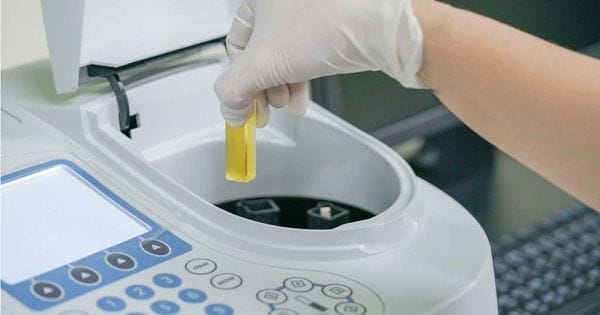
The first thing to understand is that IBU, from a chemical perspective, does not refer to the perceived flavor in beer, but rather to the levels of certain bitter compounds dissolved in the liquid.

Science had just emerged as a profession, yet it was a self-taught textile merchant who became one of the greatest scientific celebrities in all of Europe.

The cold chain essentially means that the product being distributed is kept refrigerated at a constant temperature at all times, including during transportation.
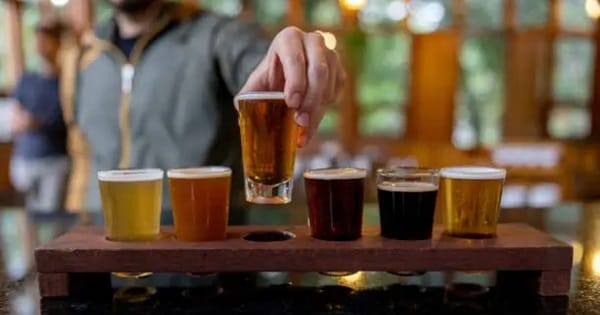
The human sensory system, though sophisticated, has clear limits. Prolonged exposure to certain aromatic and gustatory stimuli can lead to sensory fatigue or adaptation.

The interaction between alcohol and dopamine is a neurological phenomenon that explains the immediate effects of alcohol consumption, as well as the underlying mechanisms of addiction and mood disorders.
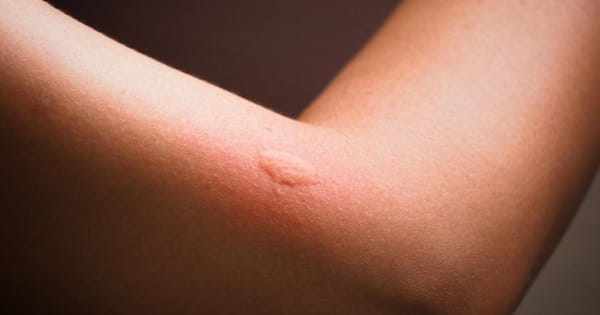
In recent years, scientific research has revealed an intriguing finding: beer consumption can significantly increase the probability of being bitten by these blood-sucking insects.
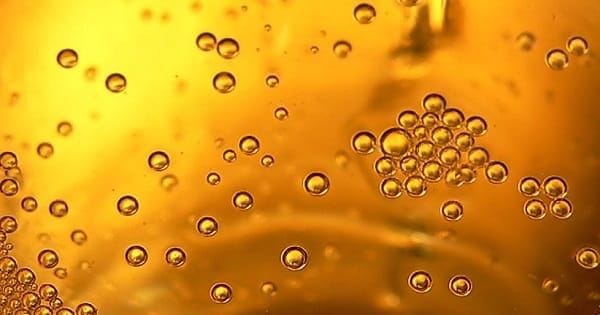
Bubbles are small packets of carbon dioxide (CO2) seeking to escape the liquid, pushed upward by the buoyancy force described by Archimedes.
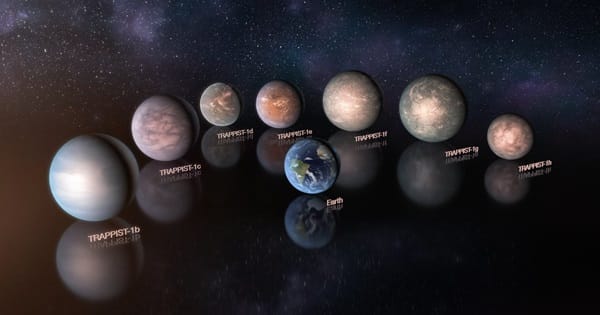
On February 22, 2017, NASA announced one of the most exciting discoveries in the search for extraterrestrial life, confirming the existence of 7 exoplanets orbiting a star 39 light-years away.
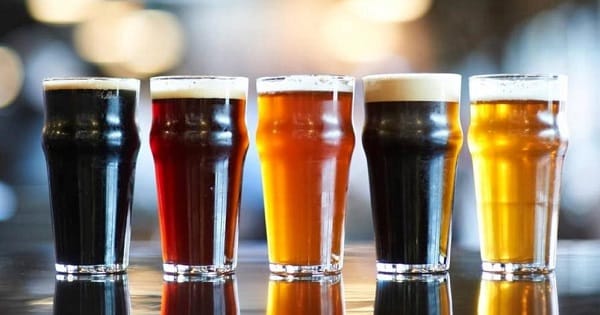
The coloring and browning of food is a topic highly valued within the community of chemists who study this scientific field, since the pigmentations and the reactions that form them tend to be very complex.

Morten Meilgaard is an unsung hero in the world of beer. Born in Denmark in 1928, he was a brilliant chemical engineer and beer lover who basically invented the language we use today to describe it.

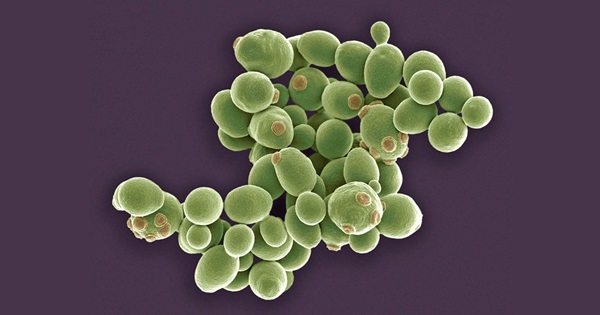
The yeast Saccharomyces cerevisiae is found in beer, wine, and bread, but also in research laboratories, as it is the organism that initiated modern biochemistry and molecular biology and remains a fundamental testing ground for science.


