Études sur la Bière marked the point of no return; beer ceased to be a product of seasonality and luck to become one of the first great victories of biotechnology.
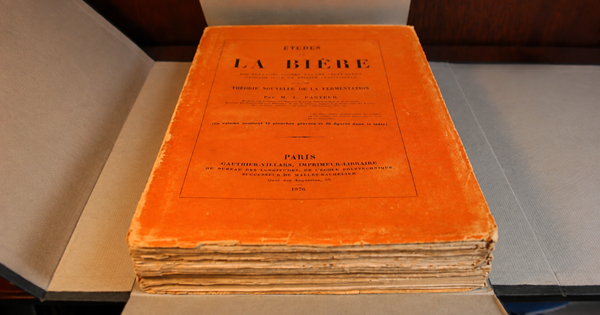

Études sur la Bière marked the point of no return; beer ceased to be a product of seasonality and luck to become one of the first great victories of biotechnology.
For millennia, human saliva was the most effective enzyme for creating fermentable sugars as an intimate biochemical reaction that defined the history of fermentation long before agriculture.
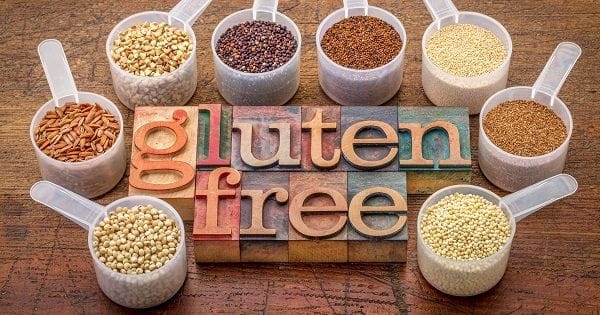
A June 2026 study detects immunoreactive barley peptides in gluten-free labeled beers that pass the 20 ppm threshold but can activate celiac disease, questioning the adequacy of current testing methods.
Corn was fermenting across the Americas millennia before the first European barley arrived. It was adopted by industry, condemned by craft brewers, and is now reclaimed as a terroir ingredient.
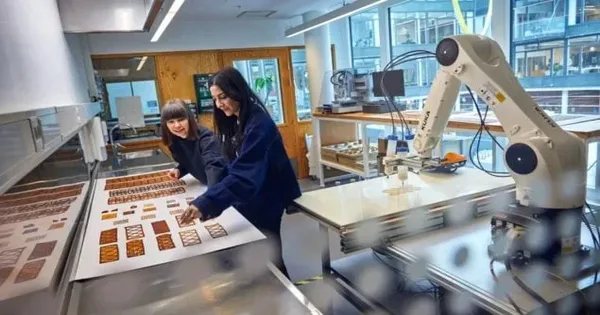
A team at Chalmers University of Technology has developed a biodegradable construction material made from baker’s yeast, algae alginate, wood cellulose, and vegetable glycerol—3D printable at room temperature with no heating, no support structures, and no waste.
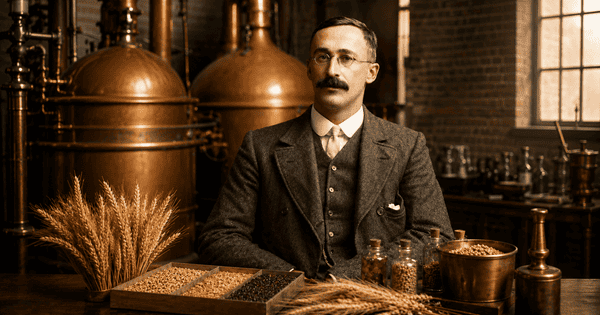
The history of science is filled with characters who worked in the shadows, far from the academic spotlight, but whose contributions ended up transforming entire disciplines. William Sealy Gosset is one such case.
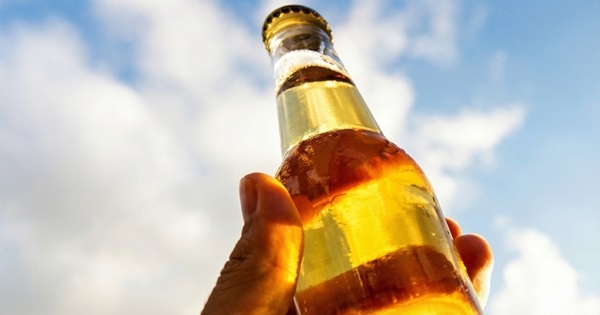
This phenomenon, known as ‘lightstruck flavor’ or skunky taste, occurs when beer is exposed to visible or ultraviolet light, significantly compromising product quality.
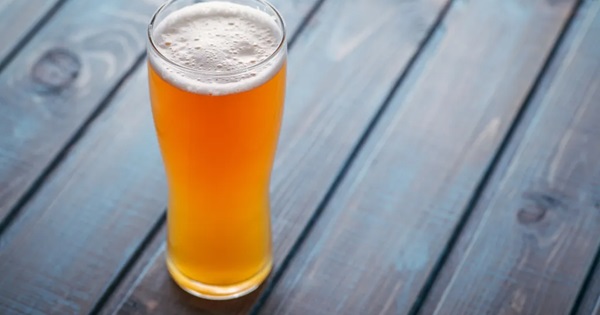
A new Danish study introduces an unexpected factor for inducing controlled turbidity in beer: yeast RNA extracts capable of triggering extreme haze in crystal-clear lagers.
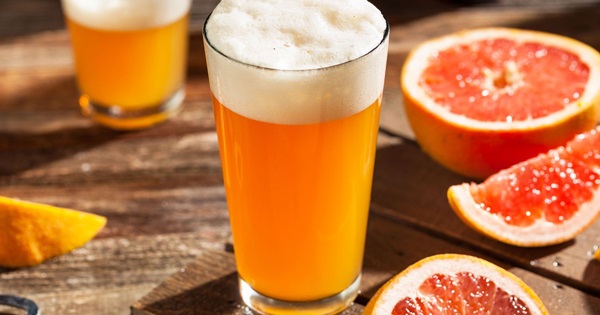
Compiled results demonstrate that incorporating fruit not only broadens sensory diversity but also contributes to the development of functional beverages with potentially positive impacts on human health.
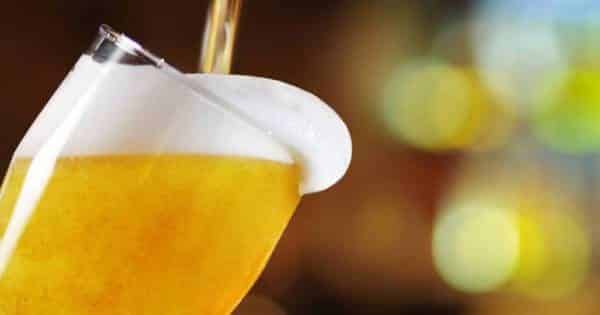
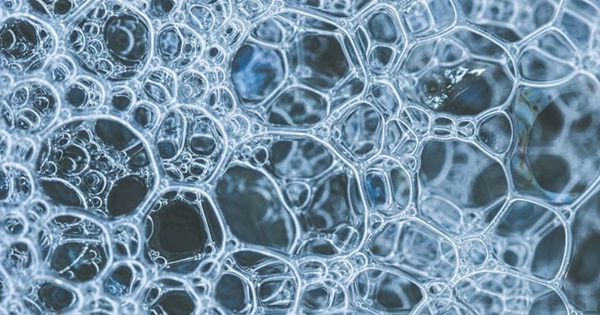
Beer foam is much more than a simple sensory ornament. Behind its light and ephemeral appearance lies a complex system that depends on a delicate interaction between chemical components, interfacial properties, and hydrodynamic dynamics.
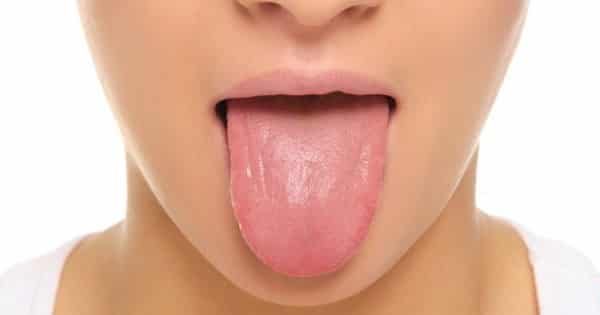
Unlike the initial perception of flavor, the aftertaste manifests in a late phase, when sapid molecules interact with specific areas of the tongue and the retronasal olfactory epithelium.

Does regular beer consumption affect the development of prostate diseases such as benign prostatic hyperplasia (BPH) or prostate cancer? Could there be any positive effect on prostate tissue from moderate beer consumption?


