This post is also available in:
 Español
  Português
The sober curious movement is defined as the introspective practice of questioning one’s personal relationship with alcohol, prioritizing physical and mental well-being without the need to adopt a label of absolute abstinence or addiction recovery.
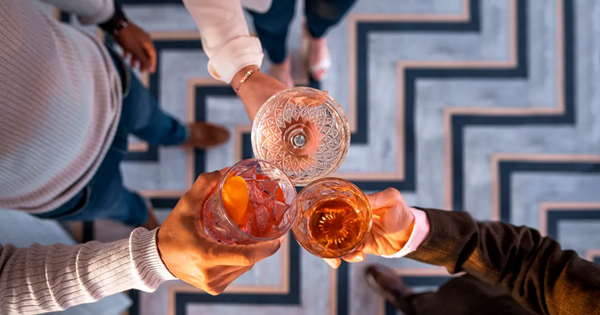
Unlike clinical alcoholism, this trend focuses on the curiosity to observe how consumption, even moderate, impacts sleep, cognitive clarity, and social dynamics.
In recent years, this phenomenon has ceased to be a passing fad and has consolidated itself as a structural shift in global consumption, driven by a search for biological autonomy and more authentic human connections.
Contenido
Key Points of Conscious Consumption
- Reconfiguration of Leisure: Substitution of spirits with functional elixirs and signature mocktails.
- Biological Optimization: Measurable improvement in heart rate variability and deep sleep architecture.
- Destigmatization: The choice not to drink is now perceived as a sign of status and self-control.
- Generational Impact: Generation Z leads the transition with a 25% reduction in consumption compared to previous cohorts.
From Social Norm to Active Questioning
The genesis of this paradigm shift is not fortuitous. Although the term was initially popularized by writer Ruby Warrington, the maturation of the concept responds to a collective fatigue with the culture of “liquid gratification.”
The sober curious movement emerged as a direct response to the overexposure of “wine mom culture” and “alibi drinking.”
During the 2010s, aggressive marketing positioned alcohol as the only valid reward after a workday or the stress of parenting.
However, the convergence of biohacking and the radical wellness movement created a point of friction: it was impossible to optimize cognitive performance while maintaining a neurotoxin in the system.
The media tipping point occurred with the release of Ruby Warrington’s work, which in 2018 stripped sobriety of its clinical stigmatization.
Warrington proposed that it wasn’t necessary to “hit rock bottom” to stop drinking; it was enough to feel that alcohol no longer added value.
This approach eliminated the binary dichotomy of “alcoholic or social,” opening up a gray space where the majority of the population feels identified: people who do not have a chemical dependency but do have a cultural dependency that erodes their potential.
On a sociological level, the digitalization of public life also played a critical role. In 2026, the “attention economy” penalizes lack of control.
Generation Z, native to this ecosystem, associates drunkenness with a loss of sovereignty over their digital image and privacy, displacing alcohol from the center of the social board to the periphery.
For decades, alcohol operated as the default social lubricant. However, the integration of real-time health metrics, devices that monitor stress and rest, has revealed an uncomfortable truth: recreational consumption has a physiological cost that many are no longer willing to pay.
It is not about moral prohibition. The focus lies on personal sovereignty. By removing alcohol from the equation, even for short periods, the individual regains the ability to evaluate their motivations.
Do we drink for sensory pleasure or as an avoidance mechanism for social anxiety? This question is the cornerstone of the sober curious movement.
What Happens in the Body When Consumption Ceases?
Science is conclusive regarding the benefits of intermittent abstinence. According to Dr. Eduardo Karahanian, PhD in Biotechnology and academic researcher at Universidad San Sebastián, an expert in the metabolic study of ethanol:
Alcohol consumption generates a persistent inflammatory response that imbalances neurotransmitter systems. Cessation of intake allows the body to reverse neuroinflammation and recover homeostasis, a critical process for the individual to regain their decision-making capacity and biological well-being without the chemical interference of acetaldehyde.
To visualize the real impact on human performance, the following table breaks down changes in critical biomarkers currently monitored:
| Biological Indicator | Impact of Consumption (Ethanol) | Effect in Sobriety (21+ days) | Perceived Benefit |
|---|---|---|---|
| Sleep Architecture | REM phase fragmentation; suppression of delta waves. | Restoration of REM cycles and deep sleep. | Greater morning mental acuity. |
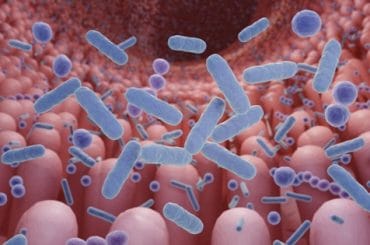
| Gut Microbiota | Dysbiosis and increased permeability. | Repopulation of beneficial strains. | Reduction of abdominal inflammation. |
| HRV (Heart Rate Variability) | Significant decrease (ANS stress). | Increase in HRV (better recovery). | Resilience to daily stress. |
| Neurotransmitters | Dependence on external dopamine. | Recalibration of GABA receptors. | Emotional stability and reduced anxiety. |
The Rise of Adaptogens and Nootropics
In 2026, the industry has evolved beyond simple “fruit juice.” The new functional cocktail scene uses botanical compounds that offer states of relaxation or mild euphoria without the toxicity of acetaldehyde.
This strategic substitution is vital for maintaining an alcohol-free lifestyle without losing the ritualistic component of drinking.
| Category | Examples | Effects | Uses |
|---|---|---|---|
| Adaptogens | Ashwagandha, Reishi | Cortisol modulation (relaxation). | Evening events (after-work). |
| Nootropics | L-Theanine, Lion’s Mane | Cognitive focus and clarity. | Networking and creative events. |
| Euphoric Botanicals | Kava (low concentrations), Guayusa | Mild social disinhibition. | Celebrations and night parties. |
Generation Z and the New Socialization
Market data confirms that the non-alcoholic beverage sector has grown by 7.4% annually. This phenomenon is led by young people who associate excessive consumption with loss of control and digital vulnerability.
For this cohort, mental health and conscious consumption are non-negotiable assets.
“Sober-friendly” bars and 0.0% spirit distilleries have transformed urban nightlife. It’s no longer about ordering a glass of water; the sophistication of today’s botanical mixes rivals the organoleptic complexity of any classic cocktail bar.
This ecosystem allows maintaining an alcohol alternative at social events without sacrificing social identity.
The Voice of Experts
As clinical psychologist Toby Sanchez notes:
Sober curiosity allows people to realize what they gain — energy, time, presence — instead of focusing on what they supposedly lose.
This transition towards sober curiosity drastically reduces the risk of long-term chronic pathologies.
For deeper scientific foundations, sources like the World Health Organization and medical research portals like Mayo Clinic offer updated data on ethanol toxicity.
Frequently Asked Questions (FAQ)
1. Is the sober curious movement the same as being teetotal?
No. Teetotalism is usually permanent. Being sober curious is an exploratory process where one chooses not to drink in specific contexts to assess the impact on well-being.
2. Can I drink occasionally and still be part of the movement?
Yes. The core is awareness. If you decide to have a glass of wine, you do it for its sensory value, not out of social inertia.
3. What are the quickest benefits to notice?
Improvement in sleep quality is almost immediate (48-72 hours). Within a week, skin hydration and mental clarity are the most commonly reported changes.
Conclusions and Reflections
The sober curious movement is not a crusade against alcohol but an invitation to reclaim presence. In a world saturated with stimuli, choosing lucidity becomes an act of resistance and health.
The trend points towards absolute normalization where fun does not depend on chemical alteration but on the quality of the human experience.