Traditional SEO is shifting ground. It’s no longer enough to optimize to appear on Google’s first page; the battle is now fought in the responses of large language models (LLMs).


Traditional SEO is shifting ground. It’s no longer enough to optimize to appear on Google’s first page; the battle is now fought in the responses of large language models (LLMs).
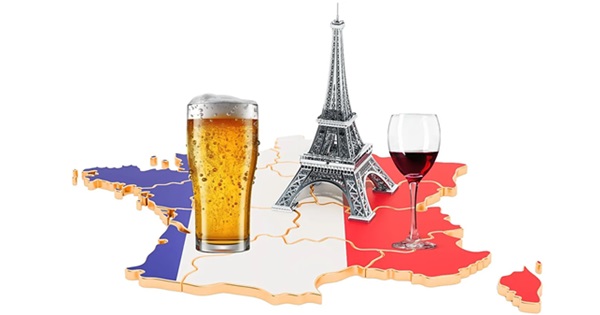
In 2025, French people consumed 22.1 million hectoliters of beer versus 22 million of wine, according to the OIV. It is the first time on record that beer has overtaken wine in France.
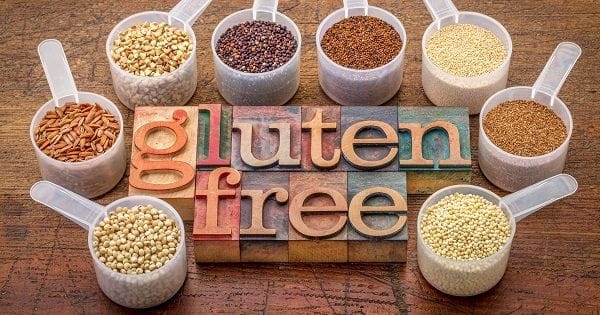
A June 2026 study detects immunoreactive barley peptides in gluten-free labeled beers that pass the 20 ppm threshold but can activate celiac disease, questioning the adequacy of current testing methods.
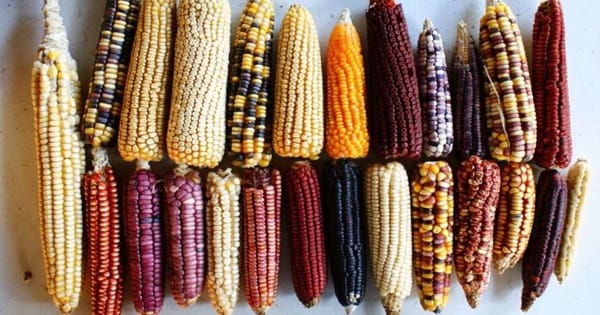
Corn was being fermented in America thousands of years before European barley arrived; later condemned by the American craft movement under an imported purity dogma, today it reclaims its place as a terroir ingredient.
Corn was fermenting across the Americas millennia before the first European barley arrived. It was adopted by industry, condemned by craft brewers, and is now reclaimed as a terroir ingredient.
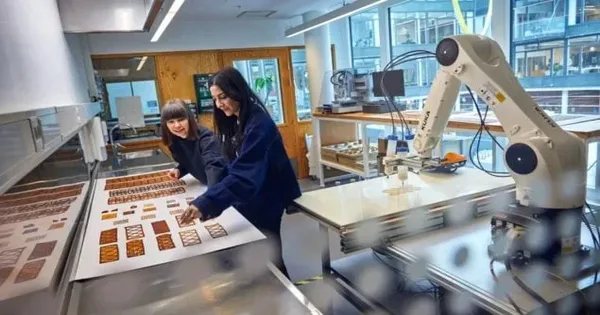
A team at Chalmers University of Technology has developed a biodegradable construction material made from baker’s yeast, algae alginate, wood cellulose, and vegetable glycerol—3D printable at room temperature with no heating, no support structures, and no waste.
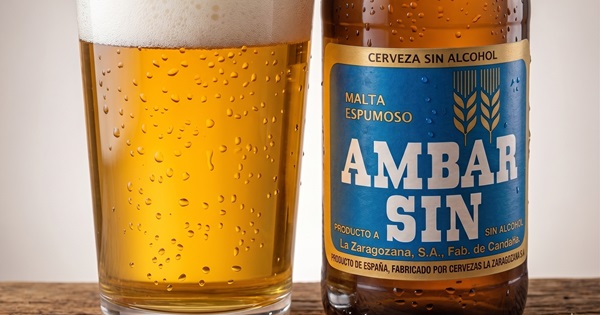
In 1976, La Zaragozana launched Ambar SIN, Spain’s first non-alcoholic beer. Fifty years later, the country leads European consumption at 14% of the market. The story of the inventor, the blue label, and the journey from 4,000 small bottles to global stardom.

In 2013, a 61-year-old man arrived at the emergency room of a Texas hospital with a blood alcohol level of 0.37 g/dL. He claimed he had not been drinking. The medical staff did not believe him, since 0.37 g/dL is equivalent to consuming, in one go, nearly ten standard pints.
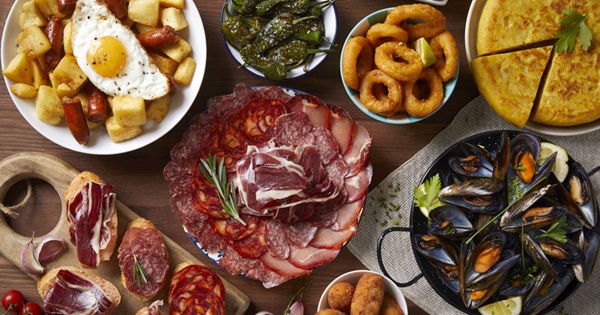
Its designations of origin, the richness of its cured and smoked products, as well as its regional variety—from Atlantic Galician cuisine to Levantine pastry—offer a vast territory to explore the principles of beer pairing.
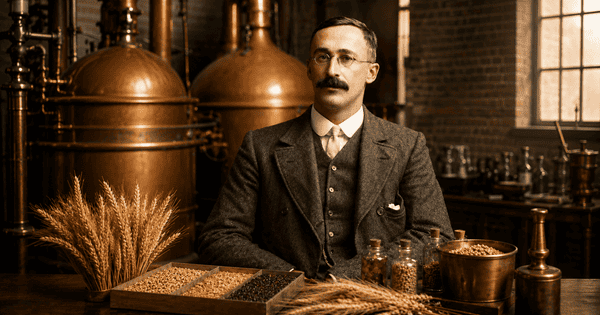
The history of science is filled with characters who worked in the shadows, far from the academic spotlight, but whose contributions ended up transforming entire disciplines. William Sealy Gosset is one such case.
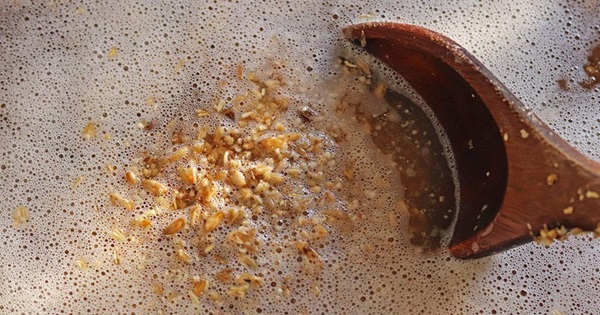
Each stage of the beer brewing process is very relevant, but mashing is the phase where fermentable sugars are extracted, defining not only the alcoholic potential of the beer but also its body, aroma, and flavor.
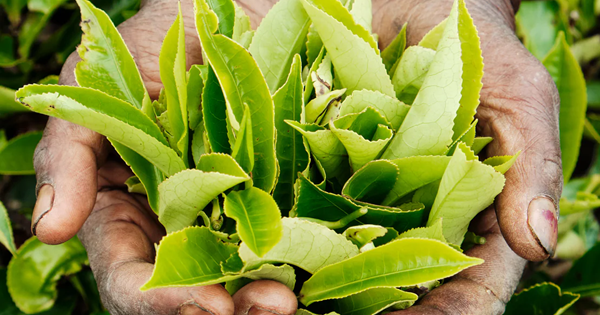
Beer brewing, which has historically used hop flowers to achieve its preservation balance and bitterness, is now undergoing a structural transformation driven by the science of alternative ingredients.


